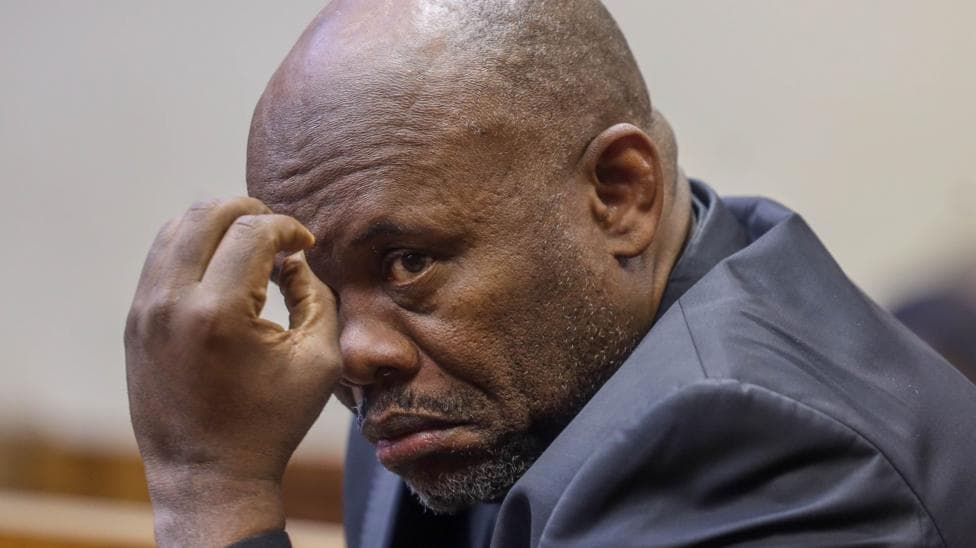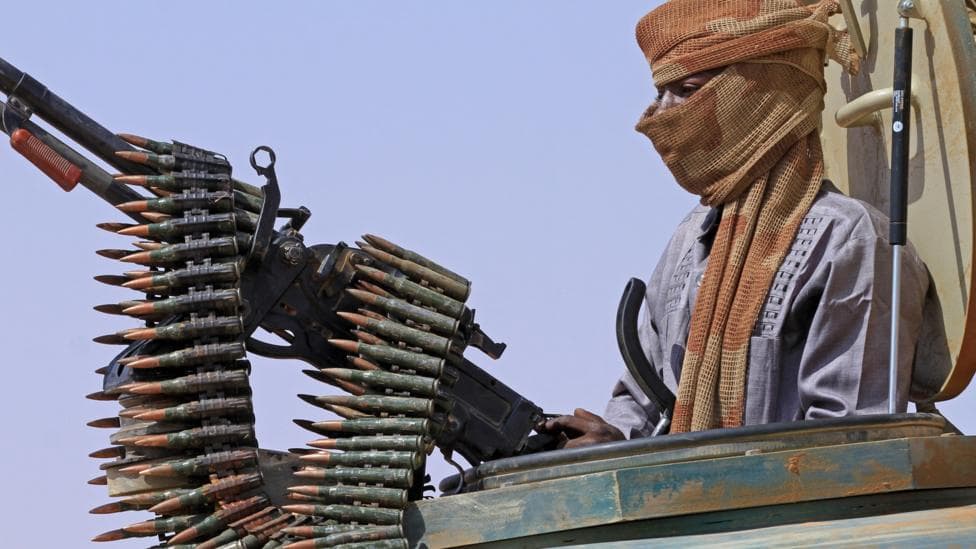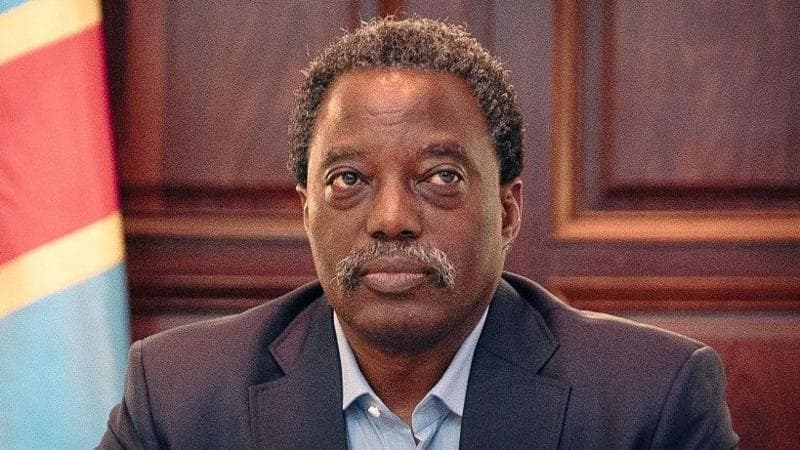
Former Congolese President Joseph Kabila has been announced as the leader of a newly formed rebel coalition, marking his most direct public involvement in an armed movement to date. The Front for the Refoundation of the Nation (FRN) was unveiled on Monday with an explicit mandate to coordinate "resistance forces" against what it characterised as "tyranny" in the Democratic Republic of Congo, pledging to pursue its objectives "by all means, including force". The announcement came at a press conference held at Kabila's residence in Goma, the largest city in eastern DR Congo, which has been under M23 rebel control since the previous year.
The timing of the coalition's formation represents a significant escalation in Kabila's political positioning. A year earlier, he had been sentenced to death in absentia on treason charges, and he had consistently denied any connection to the M23 rebel group. Video footage released by the FRN showed Kabila signing documents at the group's declaration ceremony alongside other movement leaders, providing visual confirmation of his central role.
According to African news sources, the FRN replaces the Congo River Alliance, a political coalition that had previously been allied with M23. The new coalition brings together armed groups that were formerly associated with the Congo River Alliance alongside M23 itself. Named vice-presidents include Corneille Nangaa, Bertrand Bisimwa and Sultani Makenga, the M23 leader who will serve as one of Kabila's four deputies. Freddy Kaniki was appointed secretary-general and Benjamin Bonimpa as deputy secretary-general. The other three deputy positions are held by figures from the AFC-M23 alliance, which seized much of mineral-rich eastern DR Congo during the previous year.
The Congolese government has not publicly commented on the coalition's formation or Kabila's leadership appointment.
A June UN Group of Experts report had previously flagged the possibility of AFC and M23 restructuring, including a potential name change and an expanded leadership role for Kabila, suggesting that international observers had anticipated such developments.

What prompted Kabila's public emergence?
Kabila's shift into open political activism follows his delivery of a major address in which he outlined how Congolese citizens should mobilise to "rescue" their country. On Friday, just days before the FRN announcement, he levelled a series of accusations against President Félix Tshisekedi's administration. He claimed the government had disregarded proposals he had submitted the previous year, some of which were specifically designed to resolve the conflict in eastern DR Congo. Beyond the peace process, Kabila alleged that the administration had undermined constitutional governance, mismanaged the economy, failed to improve security conditions, and engaged in arbitrary detention of political opponents and military officers. The government has not publicly addressed these allegations.
How did Kabila and Tshisekedi's relationship deteriorate?
Kabila, now 55, governed DR Congo from 2001 until January 2019, when Tshisekedi assumed office following a disputed election. Initially, the two maintained a political alliance, establishing an informal power-sharing arrangement after the transfer of authority. Their relationship subsequently fractured, prompting Kabila to enter self-imposed exile in 2023. He returned to Goma the following year and has since become increasingly vocal in criticising his successor's governance. For several years prior to his recent public reemergence, the former president had maintained a low profile.
What is the broader conflict in eastern DR Congo?
The formation of the FRN occurs during a period of significant instability in a nation that has endured decades of violence. More than 100 militia groups operate across eastern DR Congo, driven by ethnic tensions and competition for political influence and control of valuable mineral resources. The United Nations and Western governments have accused Rwanda of providing military backing to M23 and exercising operational control over the rebel force. Rwanda has consistently denied these allegations despite substantial evidence to the contrary, instead characterising its military presence in eastern DR Congo as a defensive response to threats emanating from Congolese armed groups.
What are the implications for peace negotiations?
The emergence of the FRN coalition introduces fresh complications for regional diplomacy. According to international reporting, representatives from the Congolese government and M23 were scheduled to convene in Qatar during November for peace talks. Analysts have cautioned that the establishment of the new coalition under Kabila's leadership could undermine these diplomatic efforts by consolidating the armed opposition into a more unified and politically ambitious structure.
What are the prospects for elections and constitutional change?
Tshisekedi's current term concludes in 2028, with elections originally scheduled for that year. However, in May he indicated that the elections might not proceed as planned due to ongoing conflict. He additionally suggested the possibility of seeking re-election for a third term "if the people want", despite constitutional restrictions limiting presidents to two consecutive terms. Parliament has since approved legislation that could facilitate a referendum to remove the two-term constitutional limit. Last month, security forces clashed with demonstrators in the capital who were protesting against the proposed constitutional amendments.
Key Facts:
- Joseph Kabila led DR Congo from 2001 to January 2019 and was sentenced to death in absentia for treason in 2025
- The FRN replaces the Congo River Alliance and consolidates armed groups previously allied with M23
- Sultani Makenga, the M23 leader, serves as one of four deputy positions under Kabila's leadership
- Government and M23 peace talks were scheduled for November in Qatar, with analysts warning the new coalition could complicate negotiations
- Eastern DR Congo remains destabilised by over 100 militia groups competing for resources and political control