Photographers across the UK are raising alarm about parents who use artificial intelligence tools to remove watermarks from school pictures without paying, warning that the practice exposes children to serious privacy and safeguarding risks while costing professionals their livelihoods.
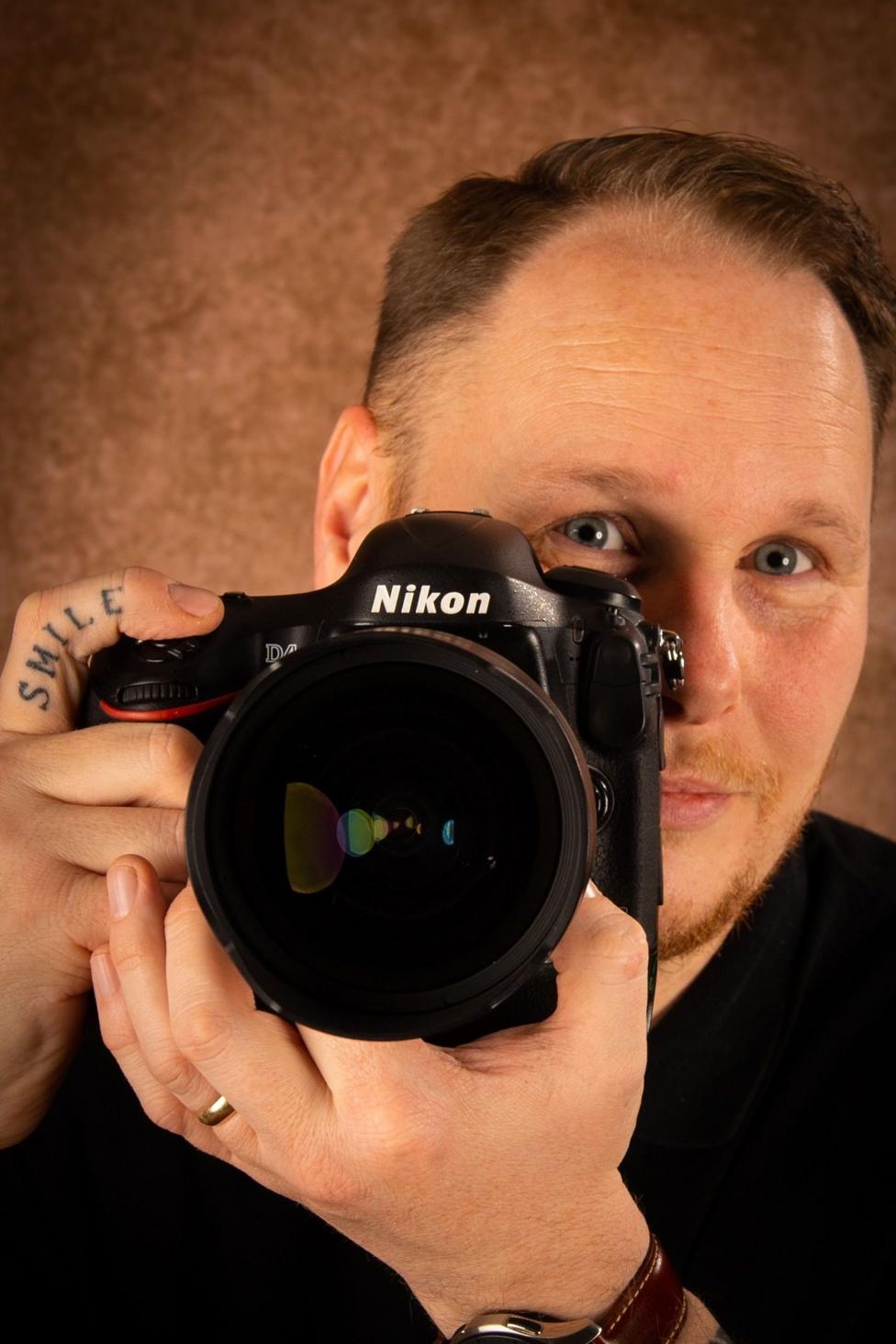
Ian Gilbert, founder of Emotion Picture Photography, has heard parents openly discussing at school gates how they deploy AI to bypass payment for photographs he has taken.
"The scary thing is when you submit a picture to AI by default it is allowed to do whatever it wants and I don't think a lot of parents realise that,"he said.
The practice has become widespread enough that Gilbert estimates approximately 25% of the images he distributes are being screenshotted and fed into AI systems to strip his watermark.
"That's a quarter of parents not paying. A quarter of profit lost for us. Also the school get a cut from the revenue as well, so it's a loss for the school."
Why are parents doing this?
School photographs remain a cherished tradition for many families, but the technology now exists to remove watermarks from preview images in seconds. Gilbert, aged 47 and based in Pontypool, Torfaen, has directly overheard parents discussing the method. He recalled one conversation where a parent said they would simply use AI to remove the watermark for approximately one pound rather than purchasing the photograph legitimately.
The barrier to entry is remarkably low: individuals need only claim ownership of an image for many AI services to strip the watermark. This ease of access has normalised the behaviour among some parents, though Gilbert views it as equivalent to shoplifting.
"It is theft, it is shoplifting. People wouldn't go into a shop and take a tag off something and take it without paying. It's as though because it's something you can do online at home, it seems to numb it in people's eyes."

What are the risks to children?
The dangers extend far beyond copyright infringement. Dr Simon Thorne, a senior computer science lecturer at Cardiff School of Technologies, emphasises that uploading identifiable photographs of children to AI systems carries substantial privacy and safeguarding hazards.
"It's a terrible idea. It's a big risk. The dataset could get leaked online potentially and your material can be used to train future generations of the model. The image could be sold - you have no idea."
Thorne highlighted a particularly troubling scenario: when a child was absent from a school photograph, a parent used AI to digitally insert the child into the picture afterwards.
"I can understand entirely why they did that, but they did not seem to appreciate that uploading and manipulating images of children in this way can carry real privacy and safeguarding risks."
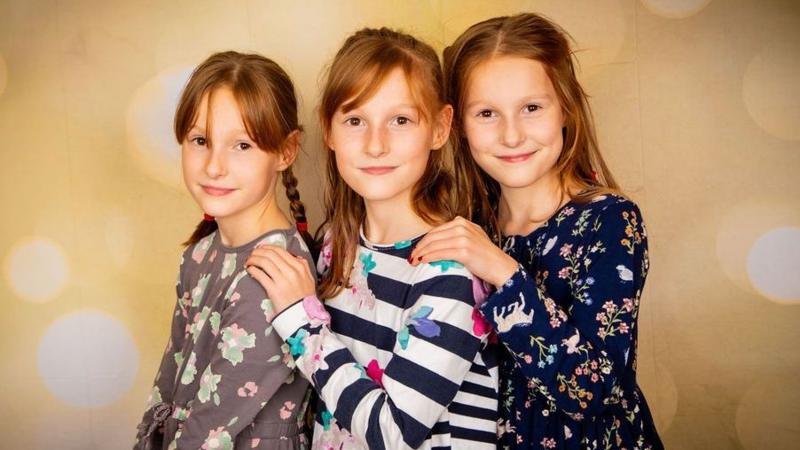
The risks are compounded when photographs contain multiple children. Parents uploading images may not realise they are also submitting identifiable pictures of other people's children to AI systems without consent from those children's s. According to the Internet Watch Foundation, which published new guidance on 3 October 2026, parents and carers should carefully review privacy settings and image-sharing consent before uploading any material.
The IWF has also warned that creating, sharing or possessing an indecent image of anyone under 18 is illegal in the UK, including AI-generated images, even if they are not realistic. Additionally, children's photos can appear in search results and may increase grooming risks when shared alongside information that makes a child identifiable.

What is the legal position?
Matthew Sammon, a chartered trademark attorney at Sonder & Clay, confirms that Gilbert's assessment is legally sound. The photographer who takes the image owns the copyright, and removing a watermark constitutes copyright infringement.
"Photographers use a watermark to protect the image from being copied, if that is removed that is copyright infringement,"Sammon explained.
The copyright holder is entitled to pursue legal remedies, including injunctions to prevent further use, damages for lost income and recovery of legal costs. However, Sammon acknowledged a significant practical barrier:
"one of the difficulties for school photographers is the cost of legal action is expensive."Many photographers lack the resources to pursue individual cases and must instead rely on customer honesty.
How is this affecting photographers?
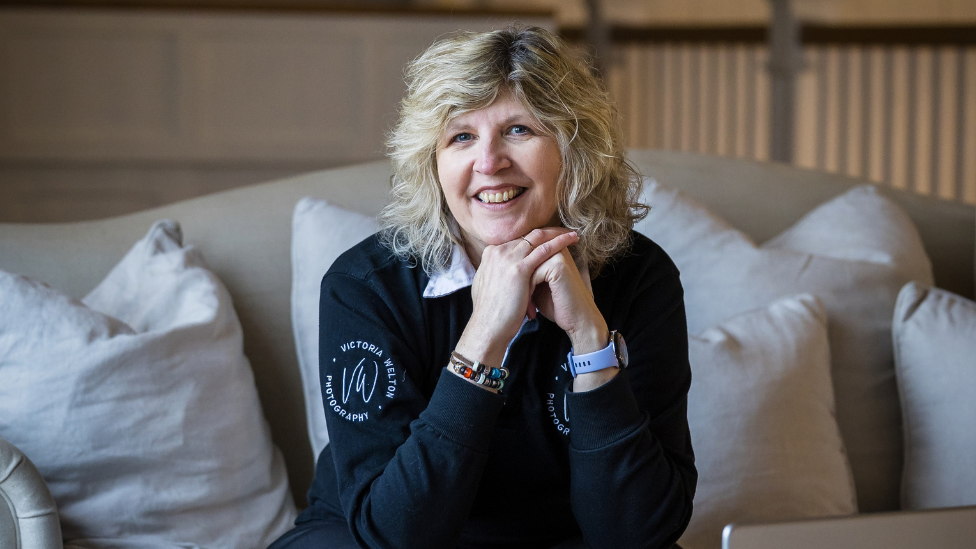
Victoria Welton, who works across 15 schools and nurseries in Somerset, has observed the same pattern. She views the practice as theft of photographers' livelihoods and a threat to child safety.
"To put your child's photograph through AI makes my blood boil. AI is a system we know nothing about. We don't know where the photo is going,"she said.
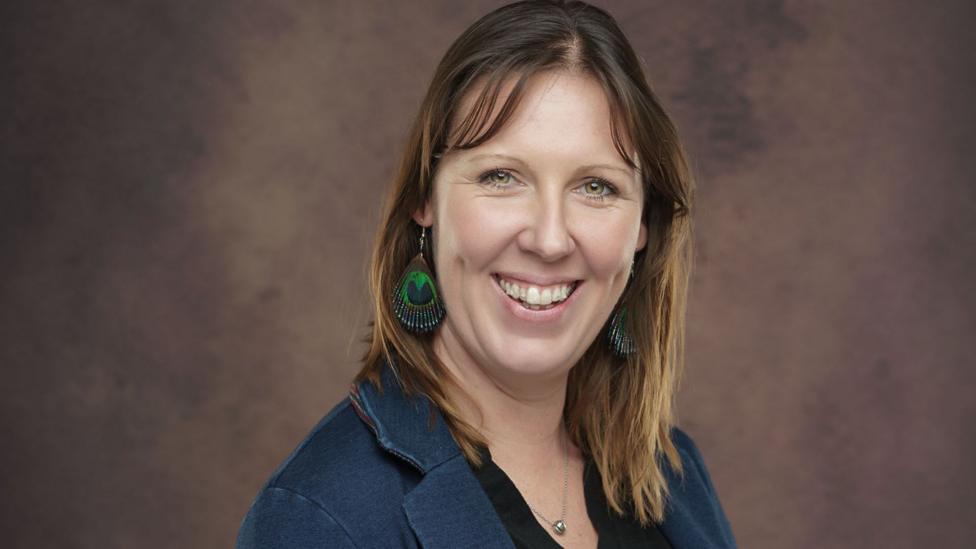
Tessa Chapman, based in south Somerset, reports that watermark removal is costing her business substantially.
"It's illegal. It's our livelihoods. I think a lot of parents don't realise that."Chapman notes that for many families in lower socio-economic areas, professional school photographs may be the only formal images they can afford of their children, making the loss of income particularly significant.
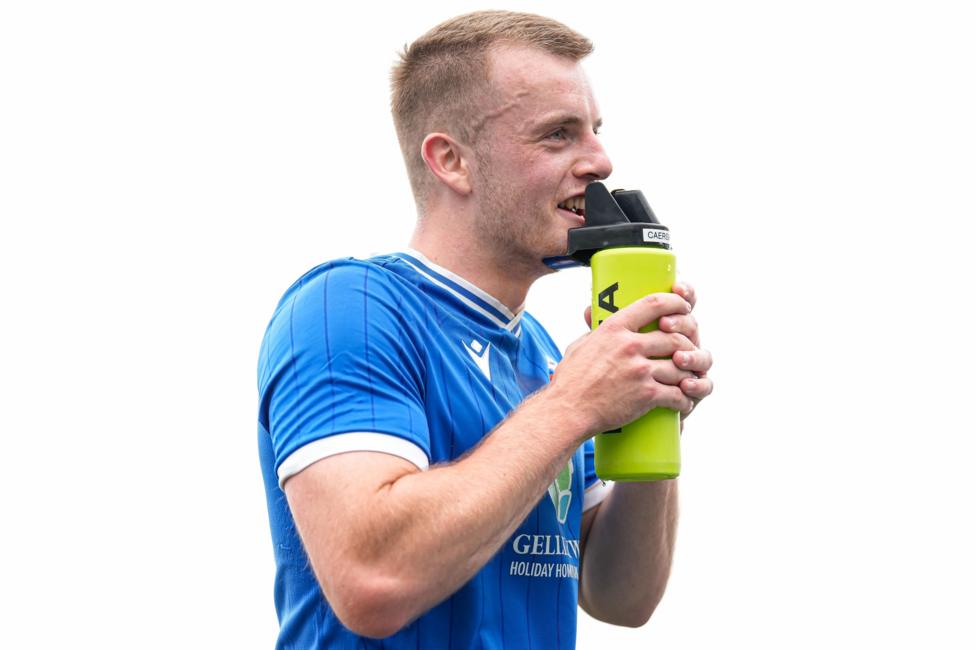
The impact on emerging photographers has been especially severe. Dylan Evans, a 21-year-old sports photographer from Caersw, Powys, began his career just two years ago after requesting a camera for Christmas. He approached his local football club about taking photographs and gradually expanded his client base. Despite charging only £2 per photograph, he discovered that people were using AI to remove his watermark and distribute his images without payment.
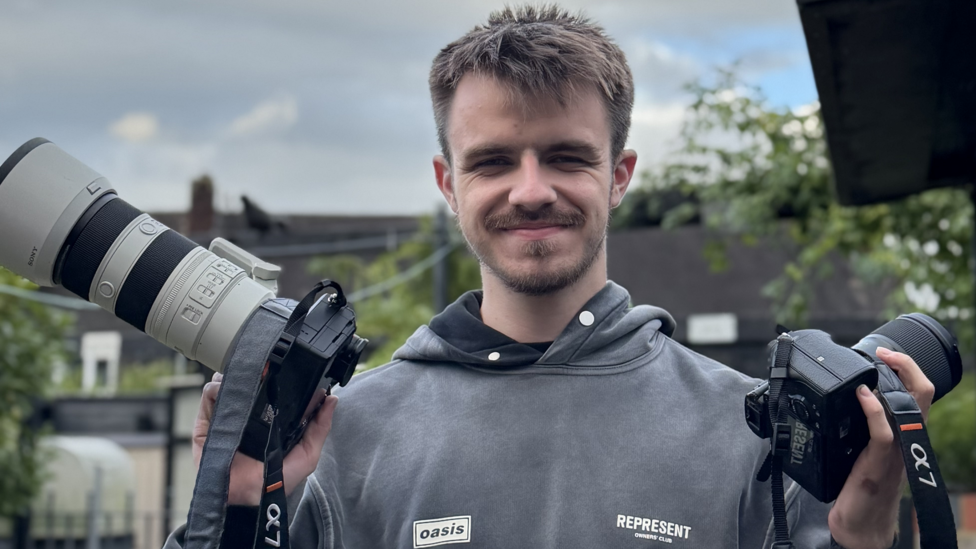
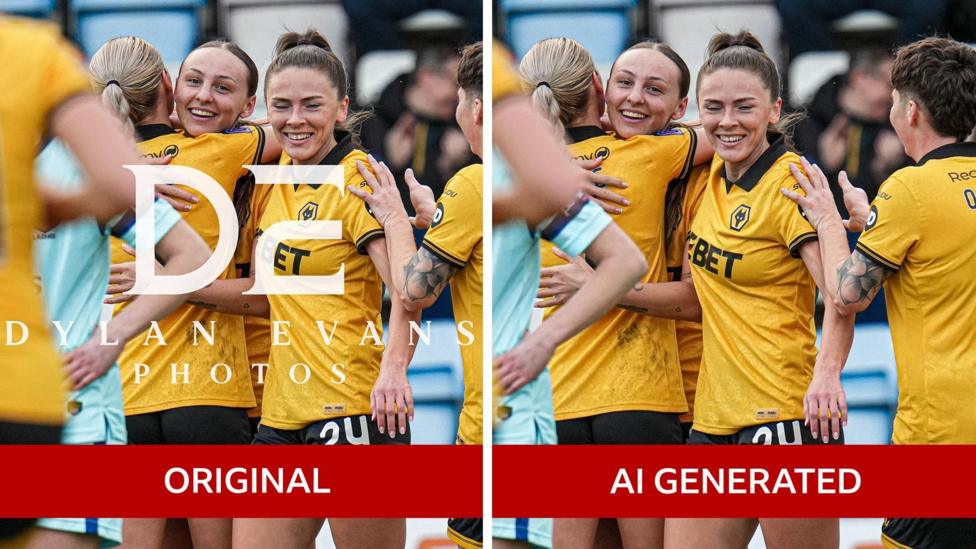
Evans recalled sending an album of photographs to a club for a match he had been hired to cover, only to find one of his images—with the watermark removed—posted on a player's Instagram account hours later.
"I wasn't paid and they were just posting them. I am putting all this time and effort in and then that's what you get,"he said.
"I have seen people use it for profile pictures and getting rid of the watermark and the quality is bad. I pride myself on high-quality photos and to see something that's bad quality, and the photos can be traced back to me. It's not a good look."
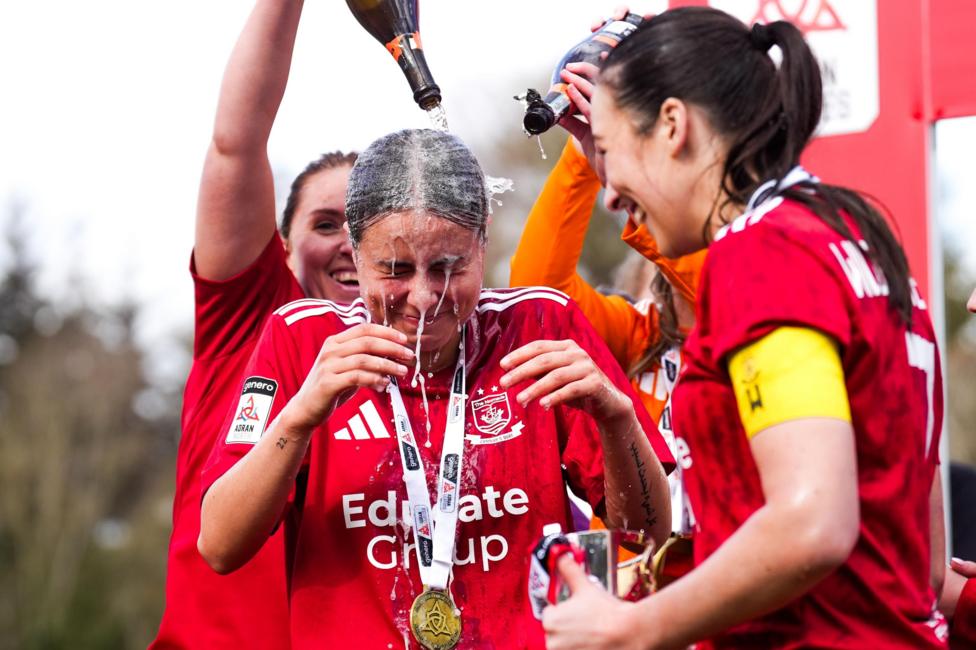
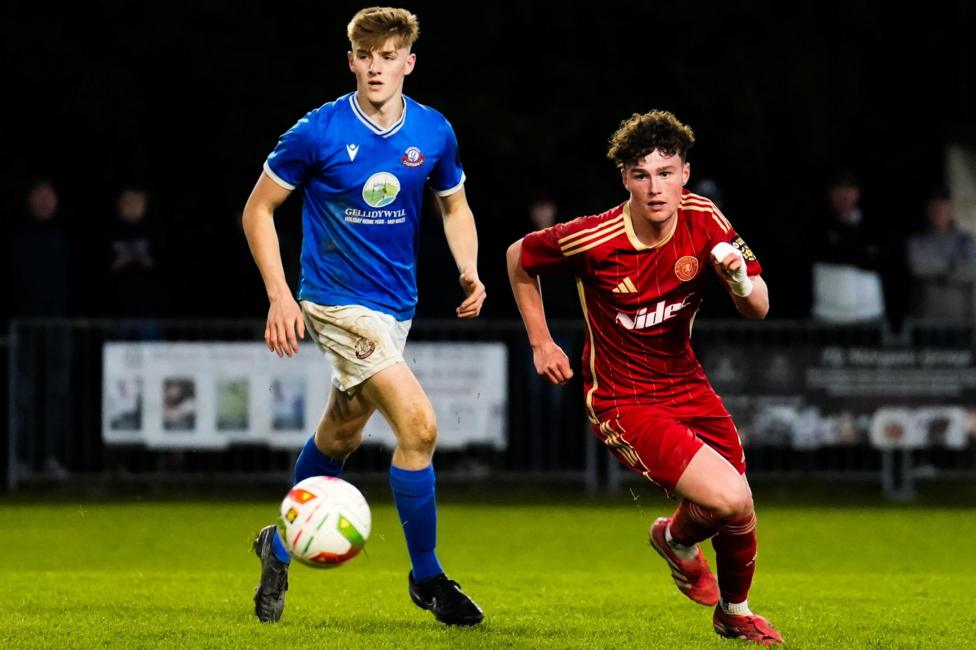

The experience was deeply demoralising.
"It was just gutting. I only charge £2 a picture. I put all these hours in taking the photos and then I'm up until two o'clock in the morning editing all these photos, and I have a full-time job too."Evans considered abandoning his business entirely and began researching copyright law and considering price increases.

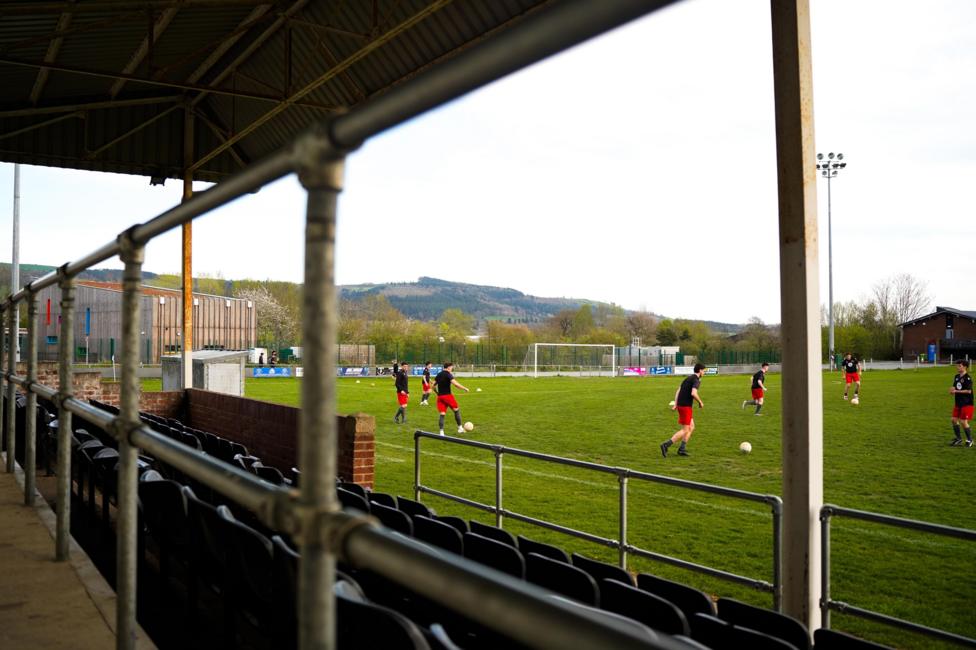
However, after sharing his experience online, Evans received substantial support from the photography community.
"I have also had local clubs reach out and got bookings since posting. I've also had people who have said they have had similar experiences but to power through."Despite this encouragement, he remains concerned about the trajectory of AI technology.
"It's only £2 a photo and people are already stealing and, with AI getting better, it may be harder to see the imperfections,"he said.

What quality issues result from AI watermark removal?
Beyond the legal and ethical concerns, the technical outcome of AI watermark removal is inferior. When parents screenshot preview images and process them through AI tools, the resulting photographs are substantially lower quality than the original professional work. Gilbert invests considerable time and resources into creating carefully composed images with professional lighting and editing.
"Our work is not just a quick shot - we have really beautiful set ups and spend a lot of time and money creating images."The degradation in quality when watermarks are removed through AI means parents ultimately receive substandard photographs, yet the practice continues to spread.
"For the sake of a couple of pounds with AI you're getting such a lower-quality product and ultimately it just makes us have to put prices up again, which is unfair for everyone,"Gilbert explained.
What are photographers doing to combat this?
Gilbert's company is working to implement protective measures.
"high-tech methods to beat AI"are being developed, including overlaying moving images across photographs to prevent copying. The Guild of Photographers is also examining how to pursue prosecutions against individuals using such services without paying.
However, Gilbert acknowledges the challenge feels overwhelming.
"It's a huge issue, but I don't know how we would attack it. How would you make ChapGPT aware and hold them to account? It feels like a David and Goliath situation."The financial pressure is mounting:
"Across the board it's getting worse and worse and if it gets to the point where it's not profitable for us, I may have to stop my service."
What broader issues does this reveal?
Dr Thorne identifies a systemic problem underlying the behaviour.
"a much wider problem around AI literacy"exists, and there is an urgent need for better education about what happens when people upload personal material to AI systems. Many parents appear unaware of the consequences of their actions—both for their own children's privacy and for the photographers whose work they are appropriating.
The situation highlights a gap between technological capability and public understanding. Parents may view watermark removal as a minor inconvenience rather than theft, unaware that they are simultaneously exposing their children to potential privacy breaches and contributing to the erosion of small businesses that depend on honest customer relationships.
Gilbert's pricing reflects his attempt to make professional photography accessible.
"I wanted my photos to be affordable so charged from £9."Yet even at modest prices, a significant proportion of customers are choosing to bypass payment entirely, creating a sustainability crisis for photographers across the country.