
A proposed 100,000 square-metre data centre in south-east London has ignited a broader debate about how the capital should balance its need for artificial intelligence infrastructure against housing shortages and regeneration ambitions. The development at Charlton Riverside has drawn opposition from Greenwich Council before any formal planning application has been submitted, highlighting tensions between technological investment and community needs.
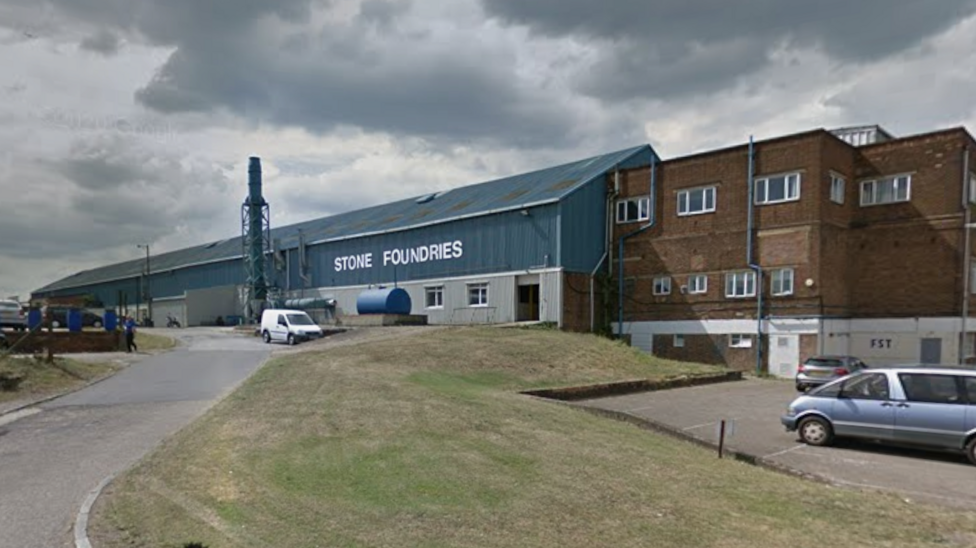
The scheme, which would include a 75,000 square-metre data centre alongside generator yards, a substation and offices, sits on industrial land at Stone Foundries and VIP trading estates and the CSB Logistics building. According to local reporting, Greenwich Council has already signalled its opposition, with a senior councillor describing it as "a nuisance" for existing and future residents.
Greenwich Council has designated the Charlton Riverside area for substantial residential growth. Tom Creswell, the council's cabinet member for planning and development, outlined the authority's vision: approximately 8,000 new homes, improved public transport connections, and 1,000 additional jobs across the neighbourhood.
Our priorities as a council will always be focused on serving local people and bringing meaningful opportunities to the beautiful borough we call home,Creswell stated.
This conflict reflects a wider pattern emerging across London. A data centre approved for Brick Lane in Tower Hamlets in July was designed to provide faster internet connections for financial traders in the nearby City of London, demonstrating how operators seek locations close to their customer base. East London residents and the council opposed that development, citing housing shortages, noise pollution and energy concerns.
Why are data centres in such demand?
Demand for computing infrastructure has accelerated rapidly as artificial intelligence tools become increasingly prevalent. London attracts data centre developers because of its dense concentration of businesses, financial services and internet connections, positioning it as a global technology and finance hub.
Mark Pestridge, managing director of Telehouse—which operates a data centre in Tower Hamlets built in 1989—emphasised the infrastructure's importance to daily life.
If you think about everything you do on a daily basis, whether you want to look at your bank account online, you want to look at your medical records or book a GP appointment, or stream a video, that will all run through a place like this,he said.
I think London needs to be at the forefront of this moving forward, I think we have an exciting opportunity that we need to develop to make it quicker for us to stand up buildings like this. There's a huge opportunity for London.

What are the environmental concerns?
Critics have raised significant questions about data centres' electricity consumption and water usage. Residents in Charlton expressed worry about noise from 24-hour generator operation and the facilities' energy demands. One resident told local media:
From what I've heard, it's going to be very noisy with all of the generators, it's on 24 hours a day,while another questioned:
They use too much energy and where does the energy come from?
A third resident prioritised housing over technological infrastructure, stating:
There's nowhere for people to live. A lot of places are overcrowded as it is. People have been waiting. I think we've got enough technology going around, I really don't think we need any more.

The government has disputed claims that British data centres are straining water supplies. A spokesperson stated:
In England, they account for just 0.2% of non-household water usage, and many newer data centres use advanced cooling systems that require very little fresh water. This does not mean a blank cheque for Big Tech. Developers must use water responsibly, and new developments must be considered through the planning system.
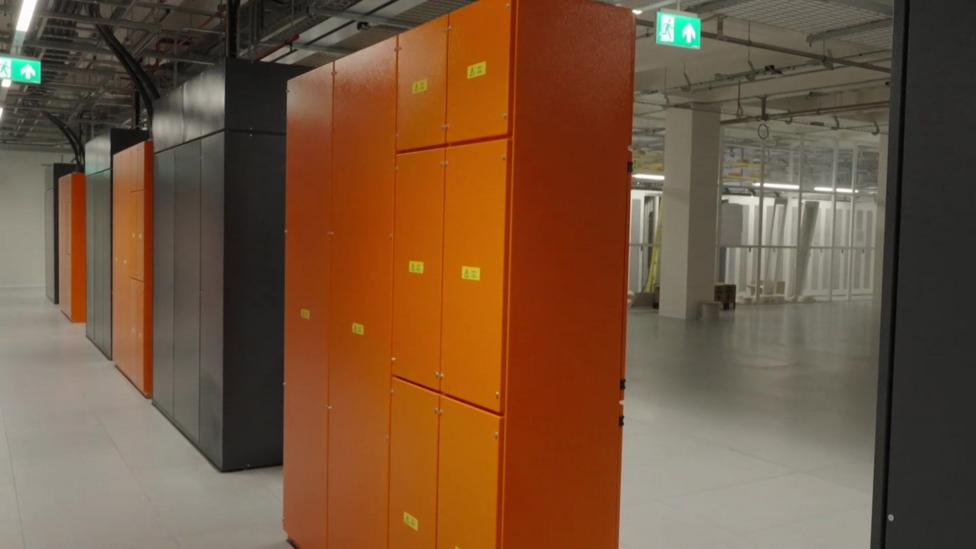
Pestridge countered environmental criticism by highlighting Telehouse's practices. The facility operates a closed water system, and its yearly water consumption is minimal in national context.
We haven't done a very good job of educating people about how much electricity and water we use,Pestridge acknowledged. He noted that Telehouse's electricity comes from wind farms in the North Sea and the facility uses noise-dampening equipment for neighbouring properties.
To contextualise water usage, water companies in England and Wales lose more than 3 billion litres daily through leaking pipes—approximately one-fifth of all water supplied. A full year of data centre potable water consumption across the nation totals approximately 1.88 billion litres. A Water UK spokesperson said the industry
desperatelywanted to supply the resource needed by data centres but required authorisation to invest ahead of demand.
After having reservoir applications repeatedly blocked, we have finally been given approval to build 10, which will take years to complete,they added.
What do developers say about housing?
The data centre project team has argued that the proposal could support rather than hinder residential development. A spokesperson highlighted that regeneration in the area had progressed slowly and noted that government has designated data centres as Critical National Infrastructure. They contended their proposal would
help unlock the delivery of new homesthrough improved road infrastructure and green spaces while supporting London's industrial economy.
Together, this would make nearby development more viable and transform a disorganised industrial estate into an area that is hospitable to both current and future residents,the team stated. The developer's consultation materials indicate the scheme could include a low-carbon district heat network using waste heat from the data centre, according to reporting on the proposal.
What is the broader context for Charlton Riverside?
Charlton Riverside has been identified as a major regeneration opportunity for London. In August, Greenwich Council, the Greater London Authority and Transport for London agreed to work together on the area's long-term development, establishing a strategic partnership and exploring proposals for a public-sector-led landowners' partnership. Separately, a housing scheme at Herringham Quarter has outline permission for 1,212 homes, with 40 per cent intended to be affordable.

What happens next?
The developer's public consultation on the Charlton Gateway scheme ran from 28 November to 21 December 2025 and has now closed. The developer is preparing a formal planning application, which will trigger the standard planning process and further opportunity for public input and council consideration. The outcome will likely set a precedent for how London balances competing demands for land as artificial intelligence infrastructure continues to expand.
This conflict in Charlton is unlikely to be the last such dispute. Data centre expansion is already dividing communities across the UK, with residents in Wales and other regions raising concerns about noise, visual impact and environmental costs. As the physical infrastructure powering phones, computers and AI systems, demand for data centres will continue to grow, yet in a city facing acute affordable housing shortages and intense competition for land, each proposed development will face scrutiny about what London's communities genuinely need most.