Australia is moving to give users a powerful tool against algorithmic harm: the ability to turn off recommendations entirely. According to BBC News, the government introduced sweeping legislation this week that would force social media platforms to let users switch to feeds showing only posts from accounts they follow. The Digital Duty of Care Bill, introduced to Parliament on 15 October, represents one of the world's most ambitious attempts to rein in the algorithms that researchers say are driving eating disorders, radicalisation, and mental health crises among young people.
The centrepiece of the reforms is an algorithm switch that would apply to users over 16, allowing them to select either algorithmic recommendations or a chronological feed of followed accounts as their default primary feed. The bill also imposes a legal duty of care on online services—social media firms, gaming sites, chatbots and more—to "ensure, so far as is reasonably practicable, a safe online environment". Breaches could attract fines of up to A$109.2 million. The government says it has listened to campaigners and mental health advocates who have long warned that platforms deliberately amplify harmful content to maximise engagement, regardless of the cost to users' wellbeing.
The Stories Behind the Push for Change
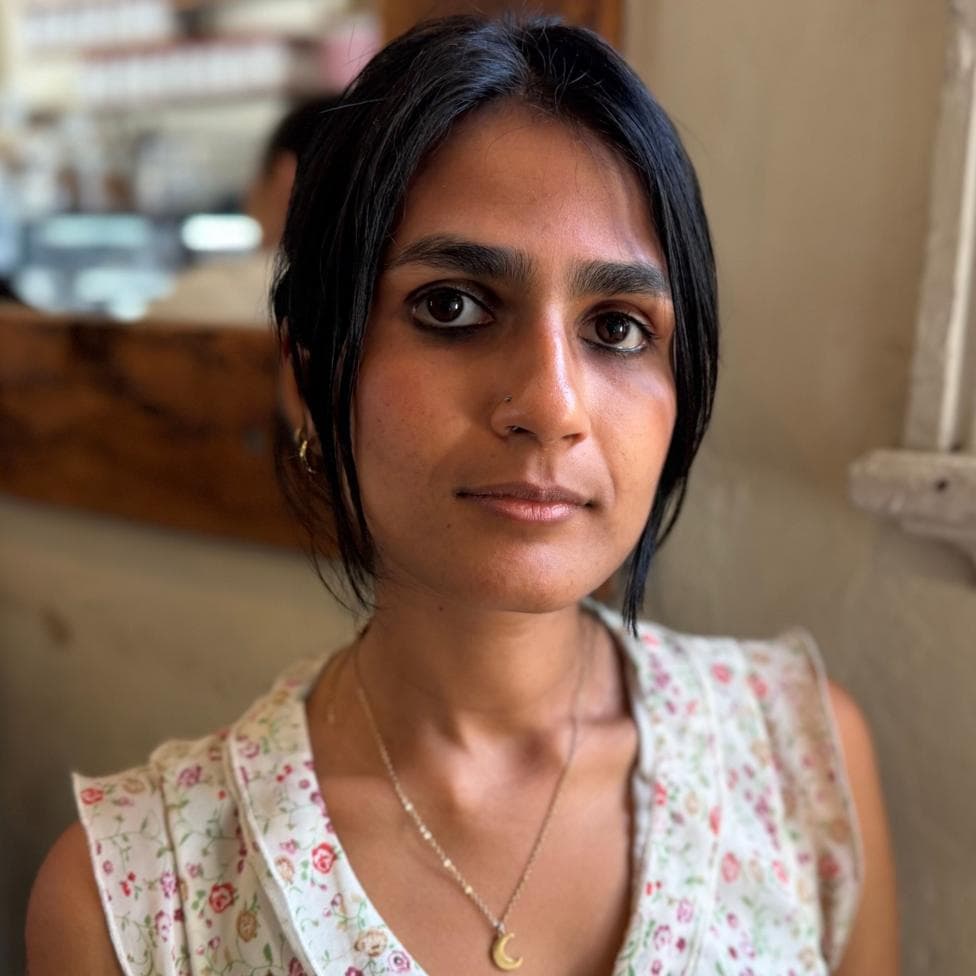
Varsha Yajman joined social media at 13 already struggling with self-image. Her feeds flooded with workout videos promising impossible results, girls she had never met urging her into dangerous calorie challenges, and strangers documenting their daily food intake in what felt like a twisted competition. Every night, she would watch others eat, thinking to herself:
"I don't need to eat. I can just watch other people eat."She found herself trapped in what she describes as inescapable rabbit holes of content.
Now 24 and recovering from anorexia, Varsha continues to receive weight loss content on social media despite enabling every available safety setting and maintaining an exhaustive list of banned words.
"I would find that I'd be down these really deep rabbit holes... it was like no matter how hard you tried to get out, you couldn't."
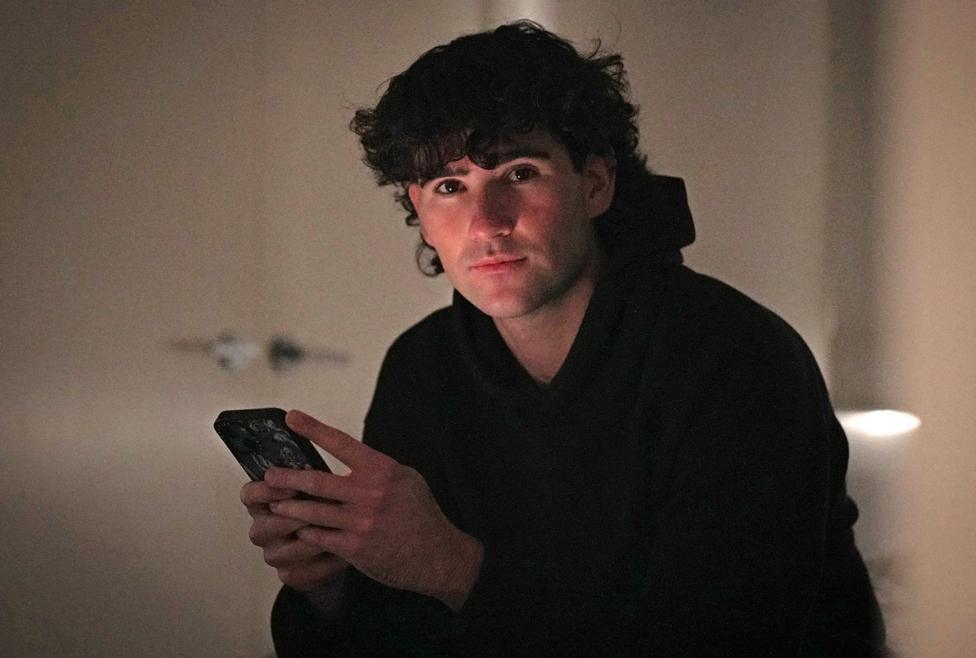
Flynn Martin's story reveals how algorithms can push vulnerable people toward extremism. About four years ago, when he was 20, self-proclaimed misogynist influencer Andrew Tate and other manosphere figures began overwhelming his feeds. At a time when Flynn—later diagnosed with bipolar disorder—was insecure and struggling with his mental health, he absorbed their rhetoric. He went viral in Australia for two videos: one questioning whether it was acceptable to be a straight white male, another criticising a date's frozen yoghurt order.
"You find yourself in like a bit of an echo chamber... It's easy to get swept up in that."Flynn says he believed he was living in a rigged system designed against him, and that becoming an "alpha male" was the only escape. A period of psychosis and hospitalisation eventually pulled him from the manosphere. Looking back, he feels
"a bit of shame and embarrassment... but I think there is a bit of empathy for that younger man."
Both Varsha and Flynn acknowledge that social media alone did not cause their crises, but both say it was a key factor. Their experiences reflect a growing body of research showing that algorithms are harming users at scale. Studies have found that social media use triggers brain responses similar to gambling and substance addiction, that algorithms serve up content which damages mental health, and that they spread disinformation and increase polarisation, sometimes driving violence offline.
How Did This Campaign Begin?
Chanel Contos, an activist who helped reform sexual consent education standards in Australia, founded the Teach Us Consent website in 2021. While studying the topic at university, she began researching algorithmic harm and launched the "Fix Our Feeds" campaign, demanding that recommended algorithms be turned off by default and that users be given the choice to opt into them.
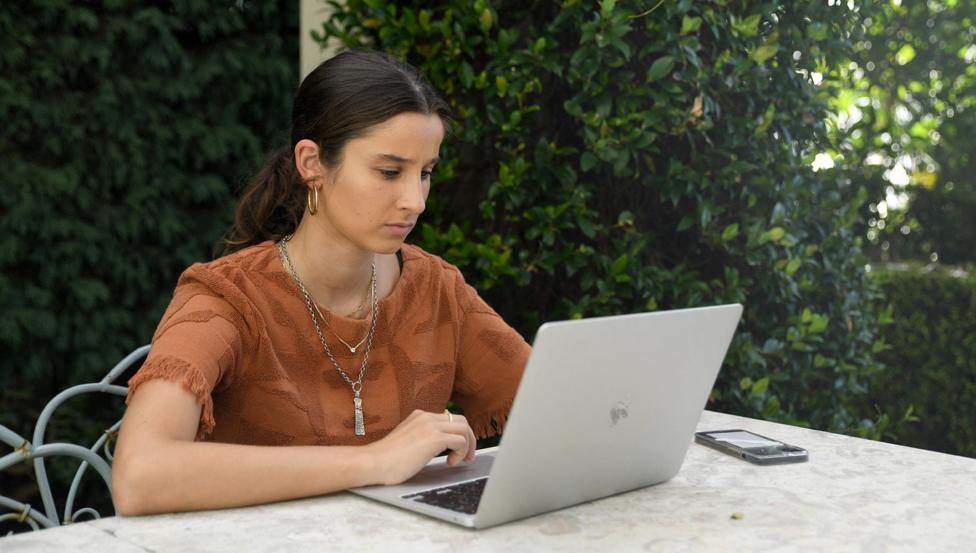
Contos envisaged a return to early 2010s social media—a time when feeds consisted of posts from friends or people users actually followed, and feeds were finite rather than infinite.
"The result is that they promote content that is outrageous or that invokes strong emotions from people - so it might be anger or fear or desire or lust or insecurity, whatever it is, it's going to keep us scrolling,"she explained to the BBC, describing how platforms prioritise engagement over user wellbeing.
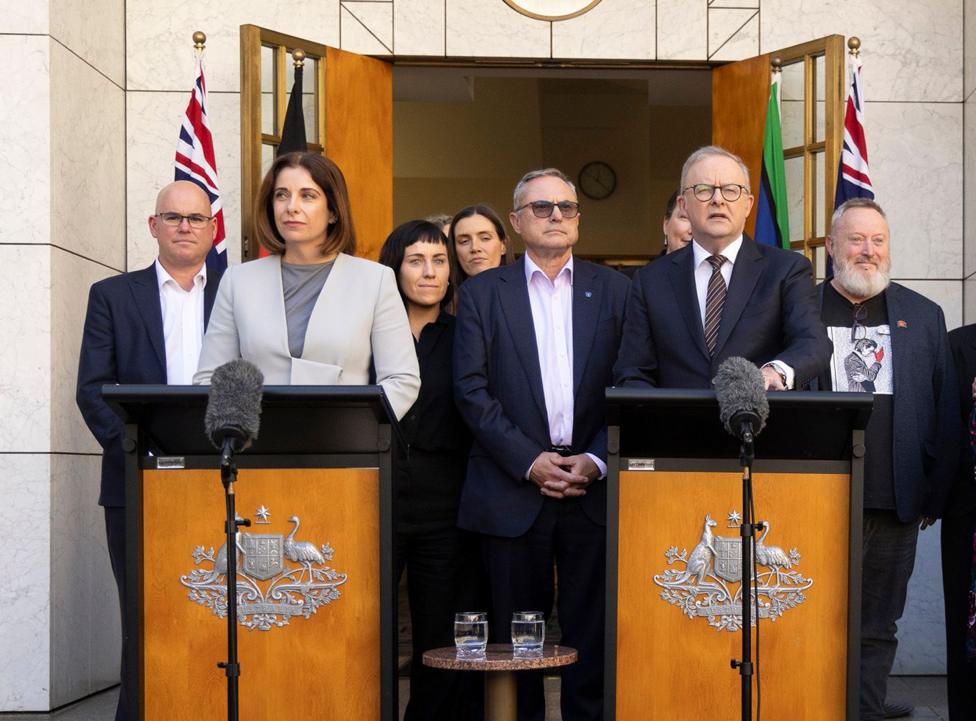
More than 15,000 people signed her petition. The campaign won backing from two former prime ministers, several MPs, influential figures, mental health advocates, and online safety experts. In September, Prime Minister Anthony Albanese announced the government had listened and would introduce a version of her proposal: forcing big tech to offer an algorithm switch.
"This is not about giving government control, it is about giving people control,"Albanese said.
"If people want to doom scroll… that's fine, that's up to them."
What Does the Bill Actually Require?
The Digital Duty of Care Bill requires online services to protect children from "harmful" material and design features—including pornography and material encouraging eating disorders or harmful attitudes towards women. Adults must be protected from "seriously harmful" material and conduct, a narrower list of illegal content. Communications Minister Anika Wells told the BBC:
"The digital duty of care answers a lot of the 'what abouts' of the social media minimum age law because it's much broader; it captures all online services and it shifts the onus of responsibility from the shoulders of victims onto the shoulders of the big tech operators who seek to make money off Australian users."
According to the Minister's office, the bill also proposes a 24-hour response deadline for cyberbullying and abuse complaints, down from 48 hours. Platforms would have to assess risks and report their assessments to Australia's eSafety Commissioner every 12 months; the regulator would review whether the proposed mitigations are adequate. The introduced bill clarifies exemptions for professional news material and entertainment media, leaving any additional harms to Parliament's scrutiny.
What Are the Obstacles?
Meta, Snap, TikTok, X and Google have declined to comment publicly on the legislation. However, Instagram boss Adam Mosseri argued that non-algorithmic feeds would mean users saw fewer posts from friends, and disputed claims that his app is addictive—despite a US jury recently ruling otherwise.
"I think we conflate the way we colloquially use the word 'addicted' – like, 'I'm addicted to this show, and I'm binge-watching it' – and clinical addiction,"he told a press briefing in Sydney.
Right-wing parties in Australia and the Trump administration have warned that the algorithm proposal and the broader bill risk forcing over-moderation and censorship. However, those defending the law argue this will not happen because users can still follow whom they wish and share what they want. Wells responded:
"If adults listen to manosphere podcasts, or people post their views about the government, or make memes, or want to say the moon landing was fake – they can continue to do so without restriction."
A more pressing concern is implementation. Australia has struggled to enforce its under-16 social media ban, introduced in December 2025. Surveys suggest most children who were on social media before the ban remain active, and no fines have been issued. 
"Platforms do what the law orders, but in such a clunky way that users don't actually enjoy the option and stick with the default, algorithmic experience."
On Instagram, for example, turning off the algorithm prevents users from seeing direct messages or accessing their profile and settings. When users leave the app, it reverts to an algorithm-governed feed upon return. The only jurisdiction where these problems do not exist is the Netherlands. 
The Australian government has set stricter rules to prevent such workarounds. Following-only feeds must not be harder to use or less functional than algorithmic feeds, algorithm settings must be "obvious", and they must not change without an "explicit choice" by the user, even if they leave the app.
What Happens Next?
A parliamentary inquiry is due to deliver its final report in late November 2026. The government has said it wants the bill passed before the end of 2026. If passed, the rules would have a 12-month transition period before taking effect, giving platforms time to redesign their systems.
Buoyed by her success in Australia, Chanel Contos is now taking her campaign global.
"We feel like Canada, UK, Australia are all very aligned on online safety... Then if those three jurisdictions are doing it, it could become a critical mass thing."
Are the Affected Users Optimistic?
Both Flynn and Varsha remain somewhat sceptical of the reforms, despite having inspired them. Varsha struggles to believe Australia can outmuscle big tech, so she is uncertain the Digital Duty of Care Bill will work. Flynn urges lawmakers to be "realistic" about the algorithm switch's potential:
"At the end of the day we use social media as a form of entertainment."
Polling earlier this month indicated two-thirds of their fellow Gen-Zs would keep their social media algorithms—though nearly half of Australians more generally would turn theirs off. Though Varsha admits she is unlikely to make much use of an algorithm switch, she appreciates having the choice.
"On a bad day I'm still susceptible to all of the things that I was at 17. To know that, if I'm having a bad day, I can opt out makes me feel really good."
If you have been affected by the issues raised in this story, you could speak to a health professional or an organisation that offers support.