Have you ever found yourself exhausted the morning after sleeping beside someone who snores, struggling with focus, memory lapses, or a lingering sense of stress? While snoring is widespread and frequently dismissed as a minor annoyance, mounting evidence suggests that sharing a bed with a snorer can take a genuine toll on your wellbeing.
Snoring occurs when soft tissues in the upper airway vibrate during sleep, according to Dr Clare Simon, a dentist specialising in dental sleep medicine. The condition is remarkably common: approximately 40% of the UK adult population snores, with men affected more frequently than women, according to the British Snoring and Sleep Apnoea Association. Research shows the impact extends beyond the snorer themselves—75% of people sharing a bed with someone who snores report that it disrupts their own sleep quality.
Understanding how a partner's snoring affects your health, and what steps can address it, is increasingly important as awareness grows about the hidden costs of the condition. National Stop Snoring Week in 2026 highlighted the broader health, relationship and financial impacts of snoring beyond simple annoyance.
How disrupted sleep affects focus and memory
When a partner's snoring repeatedly wakes you, the consequences ripple through your cognitive function and emotional resilience. Prof Ama Johal, a consultant orthodontist and sleep expert at Aerox Health, explains that partners of snorers can become so sleep-deprived that they resort to sleeping separately just to get the rest their bodies require.
"As humans we physically can't function without that necessity,"he notes.

Sleep progresses through distinct stages in cycles lasting roughly 90 minutes. The deeper phases of this cycle are essential for physical recovery and restoration. When sleep is repeatedly interrupted—as happens when you're jolted awake by snoring—you spend less time in these restorative stages, leaving you feeling exhausted even after spending many hours in bed.
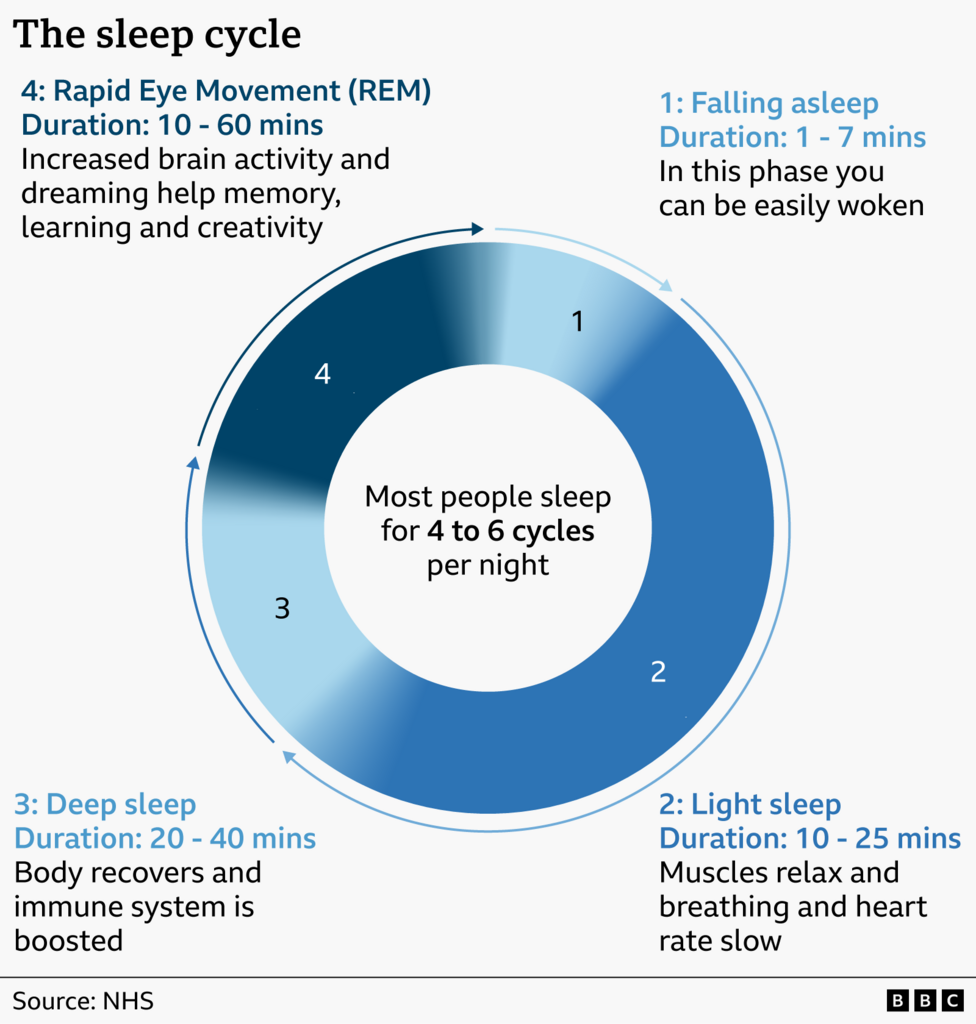
Your brain consolidates and stores information from daily experiences during sleep. Fragmented sleep caused by a snoring partner disrupts this process, impairing your ability to concentrate and retain information. Interrupted sleep also destabilises hormone regulation, which influences your energy and motivation throughout the day.
Sleep plays a critical role in managing the brain's stress and emotional regulation systems. When this sleep is disrupted, these systems become dysregulated, potentially leaving you more irritable and less equipped to handle everyday stress.
Meg Warren, 29, a charity media officer, experienced this firsthand when her former partner's snoring kept her awake. She recalls:
"Without fail, after a snoring-induced wake up I would feel on incredibly high alert."She would spend nights attempting to reposition her partner from his back to his side, only to wake feeling
"groggy and dazed, sometimes so much so that it would feel like a hangover".


The strain extended to the relationship itself. Warren explains:
"I always said if we lived together we'd have to have a spare bedroom for the nights of truly unbearable snoring."Dr Simon notes that chronic sleep disruption from a partner's snoring can trigger irritability, arguments, and—if couples resort to separate bedrooms—a reduction in physical intimacy.
Anna-Louise Dearden, 52, a journalist, sometimes sleeps in a separate room from her partner when his snoring is particularly severe. This arrangement allows her to prioritise adequate rest on difficult nights. She observes:
"If you wake up and you've had a bad night's sleep, you eat more, you feel more irritable."She previously woke frequently due to snoring but discovered that earplugs are transformative, allowing her to sleep through most of the noise when sharing a bed.

When should you seek professional help?
Solutions exist, according to both Simon and Johal, but the first step is determining whether your partner simply snores or has sleep apnoea—a more serious condition requiring different treatment.
"What you don't want to do is simply make someone quieter at night while potentially missing an underlying sleep-related breathing disorder,"Simon cautions.
Sleep apnoea causes breathing to repeatedly stop and restart during sleep. Warning signs include pauses in breathing, choking episodes at night, frequent waking, and morning headaches. Clinical guidance from 2026 indicates that loud snoring combined with frequent waking can justify a sleep study to investigate possible sleep apnoea. If apnoea is diagnosed, treatment may involve a Continuous Positive Airway Pressure (CPAP) machine or, in some cases, surgery.
For straightforward snoring without apnoea, lifestyle modifications can help significantly. These include weight loss, quitting smoking, reducing alcohol consumption before bed, and adjusting sleeping position—for example, sleeping on your side rather than your back. Your partner can also consult their GP, who may recommend treating nasal obstruction or allergies if these are contributing factors, or fitting a custom mouthguard designed to gently advance the lower jaw and maintain airway openness.
Research continues into solutions that benefit both snorers and their partners. A 2026 pilot study on smart pillows enrolled both snoring patients and their sleep partners, reflecting growing clinical interest in addressing the partner's experience alongside treatment of the snorer.
Johal emphasises that many couples tolerate snoring's negative effects far longer than necessary, allowing it to damage both their relationships and health.
"The key thing is that there is help out there, it's just tapping into it."
What happens next
National Stop Snoring Week returns annually in late April, with the 2026 observance held during the week commencing 27 April, continuing to raise awareness of snoring's broader health and relationship impacts. As research into partner sleep disruption advances and treatment options expand, the message remains clear: snoring is not simply an irritation to endure, but a health issue worth addressing.