Thousands of millennials and Gen Z adults are turning away from endless social media consumption toward gardening, finding solace, community and mental health benefits in cultivating plants both indoors and outdoors. The shift represents a conscious rejection of hyper-digital living, with young gardeners sharing their experiences across platforms like Instagram and TikTok to inspire others seeking respite from screen fatigue.
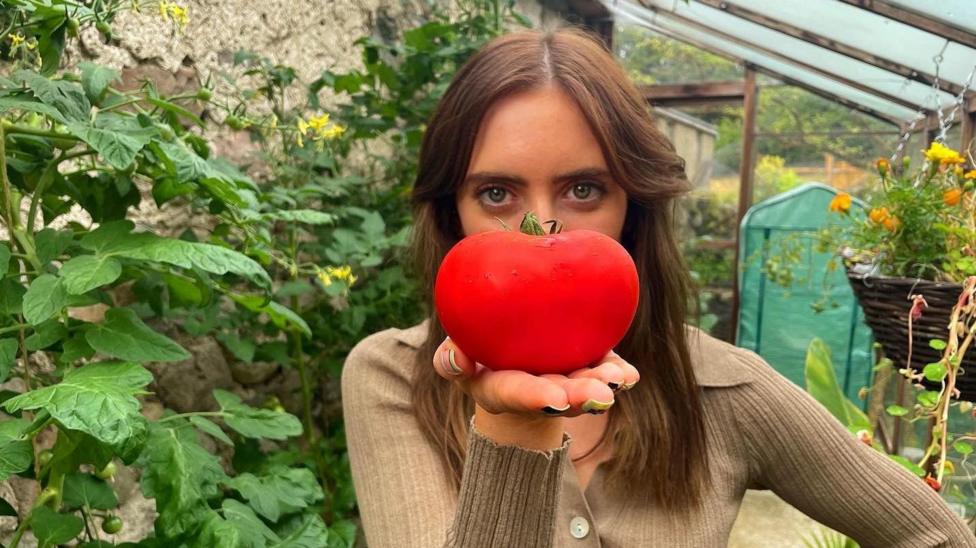
Hannah Matthews discovered gardening's therapeutic power after losing her father and grandmother within a single year. The 31-year-old from Newport found herself drawn to her back garden at unexpected hours, pulling weeds and tending plants as a way to process grief. "My mind would be really busy, and I'd suddenly be out here at 7am pulling up weeds," she recalled. Now an enthusiastic gardener with more than 70,000 followers across Instagram and TikTok, Hannah has become part of a flourishing online movement that prioritises hands-on, tangible activities over passive scrolling.
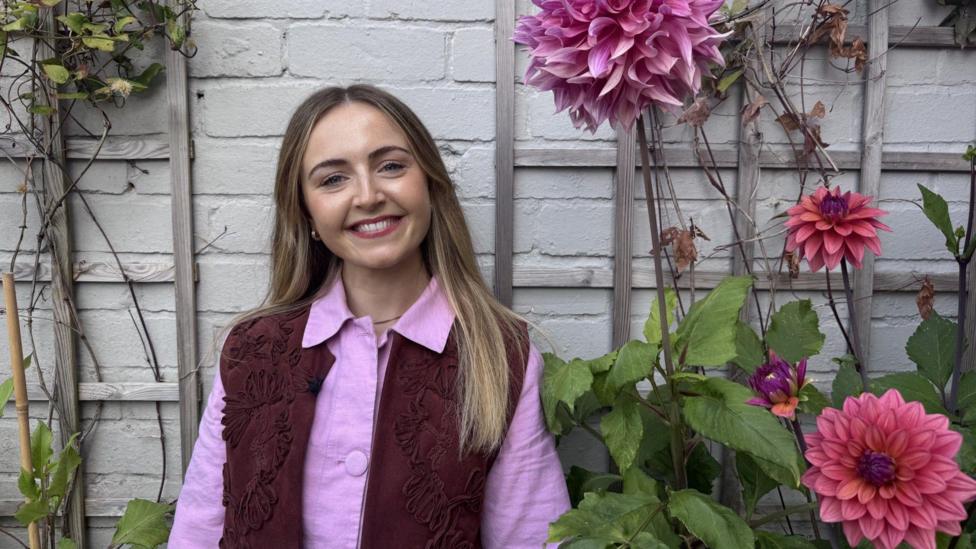
Hannah describes the gardening community as experiencing explosive growth and functioning as a counterbalance to the tension that pervades many social media spaces.
"It brings me joy, and hopefully when someone else is just kind of doom-scrolling, they get a bit of serenity in their day as well,"she said. As a former English teacher, Hannah recognises the generational significance of this trend.
"I was born in '95, so my generation are the kind of ones who know what it's like to grow up with both analogue life and digital culture,"she explained. For her cohort, activities including cooking, sewing and gardening represent a deliberate pushback against what she characterises as an all-consuming digital existence.
Why are young people turning to gardening?
Young adults today face distinctive pressures that make gardening's appeal particularly acute. Hannah identifies multiple stressors affecting her generation: the cost of living crisis, climate anxiety, a challenging employment landscape and concerns about artificial intelligence.
"I'm not saying we've had it harder than all other generations, but it is challenging being young and maybe having different expectations to those that our parents and grandparents' generations had, and different opportunities."Research supports this perception—according to analysis of UK data, today's 20-somethings face weaker housing, job and wage prospects than previous generations at the same age.
Beyond economic pressures, a 2024 UK survey found that nearly half of 18- to 27-year-olds developed a passion for gardening in the previous year, with 69% crediting social media as their inspiration. The trend extends globally, with balcony gardening being reported as a 2026 response to digital fatigue among Gen Z professionals.
How does gardening provide control and hope?
Gardening offers participants a tangible sense of agency in uncertain times. Hannah describes the activity as providing a
"safe space" to "take control of your little space of land or your balcony or your pots in the kitchen or whatever you're able to have". She draws a parallel between gardening and athletic training, noting that both require forward planning and patience.
"You'd normally train for a marathon 16 weeks out, which is roughly a season ahead, which is kind of how gardening works as well. You're planning joy into your life for the next season to be bountiful."
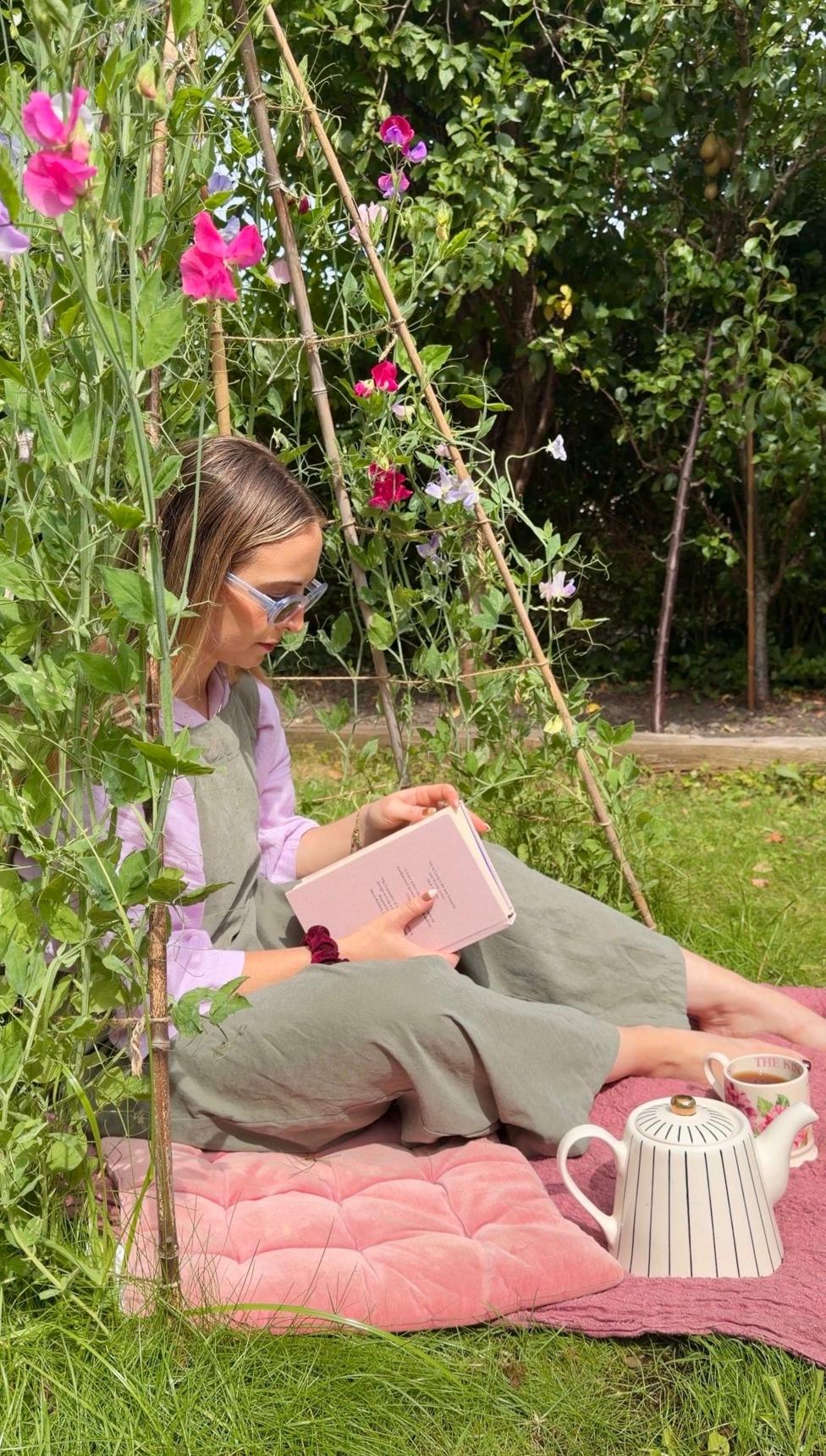
Acknowledging that garden ownership represents a privilege, Hannah emphasises that the activity remains accessible across different living situations.
"When I first starting posting I had some comments 'It must be nice, bank of mum and dad' sort of thing. I hope to inspire that gardening can kind of be done in whatever space you have - pots on the kitchen window sill, things like that - just the act of making something with your hands and planning it and seeing it flourish is amazing."

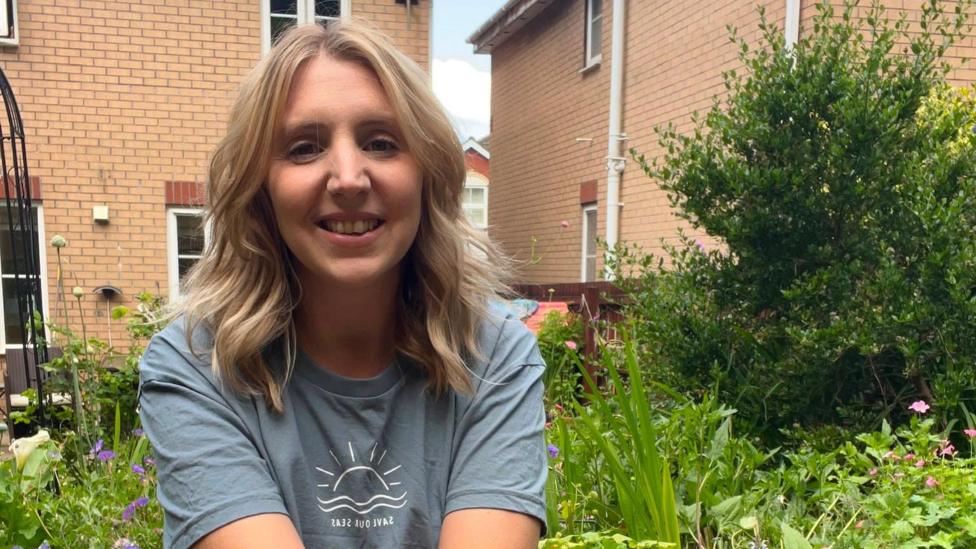
Rachel Griffiths, a 37-year-old mother of two from Church Village in Rhondda Cynon Taf, experienced gardening's restorative power during a particularly difficult period. In 2020, as the pandemic created widespread uncertainty, gardening became her emotional anchor. She navigated postnatal depression, anxiety and undiagnosed neurodivergence over subsequent years, finding that her garden provided essential refuge.
"I didn't need to make plans with friends, didn't need to try and see people, didn't have to get dressed, have a shower, and make a big deal about going out."Even brief moments mattered—when her baby slept, she could
"pop into the garden for 5 minutes" and have a "little moment" to herself. During this summer's extreme heat, her garden offered her family renewed hope and a sense of environmental agency.
"I'm not going to save the world with my garden but maybe if everybody had a little go, then it would help. There are so many little things you can do at home which do make a difference."
How is social media amplifying the gardening trend?
Social platforms have transformed gardening from a solitary hobby into a vibrant, interconnected community. Naomi Saunders from Felinheli, Gwynedd, began documenting her houseplants and vegetables on Instagram during lockdown, eventually accumulating more than 300 plants. Her online presence grew substantially, leading to an invitation to create content at the RHS Chelsea Flower Show.
"I started documenting my houseplants and my veg on Instagram quite early and gardening definitely was not a massive thing then,"said the 32-year-old. She believes young people are particularly drawn to gardening content because they are
"more conscious now of putting their phones down".
"It's an online community that really supports each other as well. Gardening is something where people genuinely want each other to do well."
The scale of this online movement is substantial. A 2024 M&S Home Insurance survey revealed that 56% of UK respondents share garden photos online, while 41% choose plants based on social media trends, and 84% said social media motivates them to garden. Gardening content continues to expand across platforms, with 2026 influencer roundups showing trends including "chaos gardening" attracting millions of views on TikTok.
What role does community play in the movement?
Beyond individual benefit, gardening is fostering genuine community connections among young adults. Georgia Featherstone, 26, relocated to a new area for work and struggled with the prospect of building friendships in unfamiliar surroundings. Rather than relying on traditional social venues, she established the Girlie Gardening Club specifically for women interested in horticulture.
"The current gardening clubs that are out there are for people with a lot more horticultural experience, more experts, and a lot older,"she observed. Within two months, her group chat attracted more than 450 members who gathered for local events in Surrey.
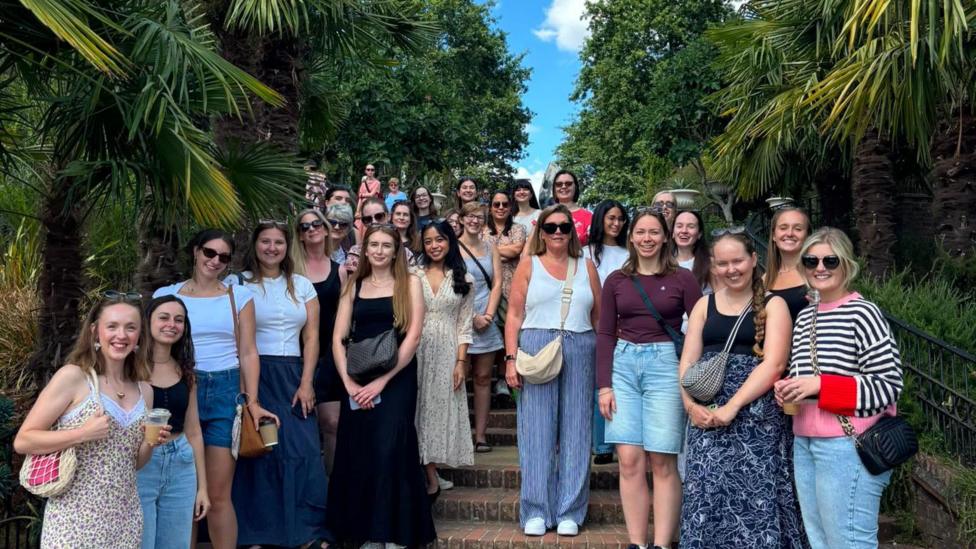
Georgia's initiative reflects broader generational shifts in how young adults seek connection.
"If you're a millennial, or you're the older part of Gen Z, you're kind of over going out to the pub every weekend,"she noted. She envisions expanding the club's offerings to include talks from horticulturalists and floristry lessons.
"With social media, everyone feels connected, but also so disconnected at the same time. You can swap knowledge, you can share seeds and cuttings, and that's when you really get the best of the hobby. People are looking for community and gardening brings that."
This emphasis on community aligns with broader cultural trends. Research examining how people manage overwhelm suggests that balancing doing more with doing less may improve mental health and creativity, a principle that gardening embodies through its combination of purposeful activity and meditative practice.
What comes next for the gardening movement?
The trajectory suggests gardening will remain a significant cultural force among young adults. Industry trend pieces frame gardening as an ongoing seasonal content cycle rather than a temporary fad, pointing to sustained coverage and participation as the year progresses. Gardening-discovery platforms continue to list active young creators and niche hashtags such as #gardentok and #planttok, indicating an established and growing online community. As more young people seek alternatives to passive digital consumption, gardening offers a tangible, rewarding and socially connected pathway forward.