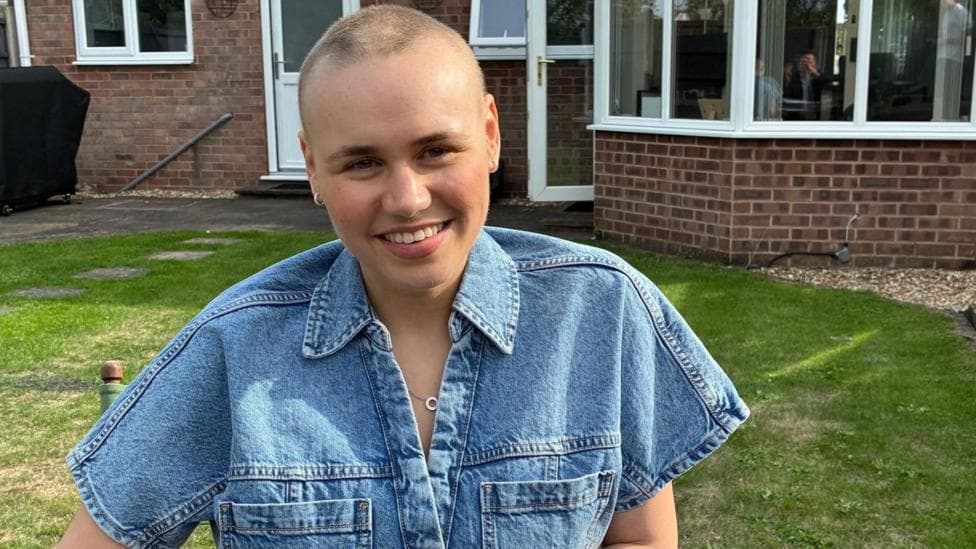
A 28-year-old from Retford in Nottinghamshire who crowdfunded more than £100,000 for a second stem cell transplant is now pushing for the NHS in England to overhaul its eligibility rules. Faith Hinitt, diagnosed with acute myeloid leukaemia (AML) in October 2023, received her first transplant through the NHS but was denied a second when her cancer returned within 12 months. She has since launched a parliamentary petition calling for the policy to change, backed by three major charities.

How Hinitt's diagnosis unfolded
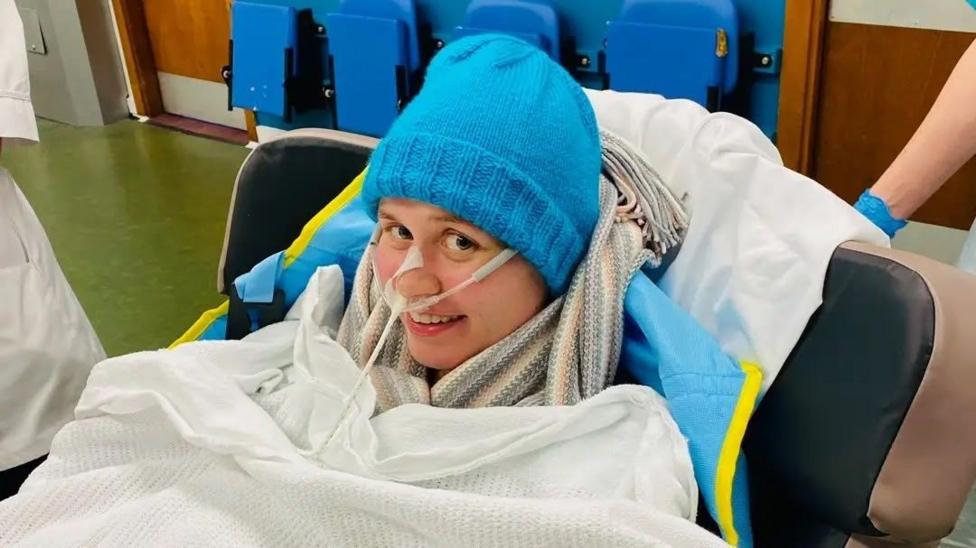
Hinitt's leukaemia was discovered after her dentist advised her to seek hospital care when she failed to respond to antibiotics as expected. She spent 14 days on a ventilator following a pneumonia infection. When chemotherapy proved ineffective, her brother was identified as a compatible donor, and she underwent her first stem cell transplant through the NHS in September 2024.
The second transplant refusal and financial crisis
Months after her initial transplant, Hinitt's cancer returned. She received further chemotherapy and endured multiple relapses, but NHS England deemed her ineligible for a second transplant under its current rules. The policy, introduced in 2017, prevents patients who relapse within 12 months of their first transplant from accessing a second one on the NHS.
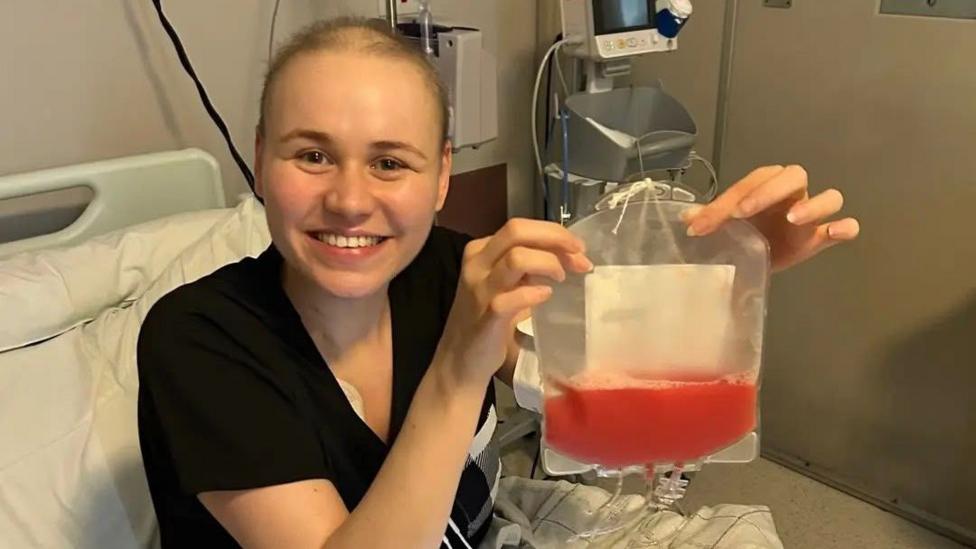
The rejection left Hinitt facing an impossible choice.
I just sobbed and said, 'I'm going to have to sell my house,' she recalled. I just remember going into sheer panic, of [thinking], 'What are we going to do? We're a very basic, normal family, we save up for our holidays - people do have a spare hundreds of thousands, but we certainly don't. I never once in my life, through all this cancer journey, thought that it'd be down to a financial decision on my life, that I couldn't have the life-saving treatment that I need.
That afternoon, Hinitt decided to launch an online fundraising campaign. Remarkably, she reached her £100,000 target within a single day—a result she described as
just so overwhelming.An anonymous donor provided the funds for her second transplant, which took place in Sheffield in June.
Recovery and new perspective
The second stem cell transplant has transformed Hinitt's outlook.
Especially over the last week, I've had a few glimpses of normal life and it feels amazing. I've lived off hospital food from February until about July time, so for me to be able to be back in my own kitchen in my house and cooking a meal... I feel blessed that I'm able to do that again.

The campaign for policy reform
On Wednesday, three national charities—Anthony Nolan, DKMS UK, and Leukaemia UK—launched a joint campaign demanding that NHS England review its transplant eligibility policy. The charities argue that the current rules are outdated and create an unjust two-tier system in which patients with financial means can access life-saving treatment while others cannot.
Yasmin Sheikh, head of policy and public affairs at Anthony Nolan, stated:
Transplant medicine has moved forward significantly in recent years, yet the current policy is outdated and unfair, leaving some patients having to raise hundreds of thousands of pounds to access a treatment that could give them another chance at life. NHS England must update its policy so clinicians can make decisions based on the latest evidence and what is right for each patient.
Hinitt has now taken her campaign further by launching a parliamentary petition that specifically calls for NHS funding rules to be changed so blood-cancer patients who relapse within 12 months can still be considered for a second stem cell transplant. According to the petition details, 10,000 signatures would trigger a government response, while 100,000 could put the issue forward for a parliamentary debate.
NHS response and independent review
In a statement, an NHS spokesperson acknowledged the issue:
NHS policy should be guided by the latest clinical evidence, which is exactly why an independent evidence review into the case for a second allogeneic stem cell transplant has been commissioned. While that is under way, any patients who have concerns or questions about their treatment options should speak to their local clinical team for support.
NHS England confirmed it has commissioned an independent evidence review to examine whether the policy on second allogeneic stem cell transplants should be revised. The review will assess whether advances in transplant medicine since 2017 justify updating the current eligibility criteria.
What happens next
The parliamentary petition remains open until 12 February 2027, giving supporters time to add their signatures. The outcome will depend on whether the petition reaches the thresholds needed to secure either a formal government response or a debate in Parliament. Meanwhile, the independent evidence review commissioned by NHS England will determine whether clinical evidence supports changing the 12-month relapse rule that currently prevents patients like Hinitt from accessing a second transplant through the NHS.
Key facts
- Faith Hinitt was diagnosed with acute myeloid leukaemia in October 2023 and received her first stem cell transplant through the NHS in September 2024
- When her cancer returned within 12 months, NHS England refused to fund a second transplant under its current policy, introduced in 2017
- Hinitt crowdfunded £100,000 in a single day to pay for a second transplant in Sheffield in June, provided by an anonymous donor
- Three charities—Anthony Nolan, DKMS UK, and Leukaemia UK—have launched a campaign calling for NHS England to update its transplant eligibility policy
- Hinitt has launched a parliamentary petition seeking to change NHS funding rules so patients who relapse within 12 months can still be considered for a second stem cell transplant