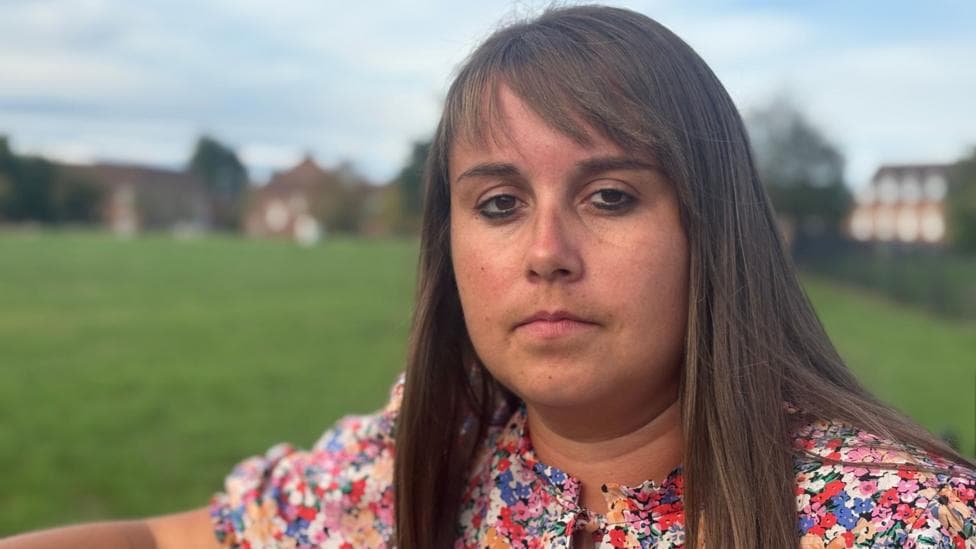
Becky Jones was just 21 years old when a consultant informed her that she had a terminal brain tumour and only months to live. She had recently begun a relationship with her partner and harboured ambitions of joining the police force, but that diagnosis seemed to shatter those hopes.
The assessment by an experienced cancer specialist resulted in more than a decade of chemotherapy treatment that fundamentally altered the trajectory of her life. Persistent nausea plagued her, she withdrew from family occasions, her professional prospects narrowed, and she existed in a state of constant anxiety.
At 33 years old, Jones has now discovered that she never had cancer at all. Instead, she had been suffering from tumefactive demyelination—an inflammation of the brain tissue that should have been managed with steroid medication rather than aggressive chemotherapy. She is among more than 40 patients pursuing legal claims against University Hospitals Coventry and Warwickshire (UHCW) NHS Trust over prolonged or inappropriate cancer treatment.
How did the misdiagnosis occur?
In 2012, Jones was working as a CCTV operator at Coventry City stadium when she met her partner Pete, a steward, at work. Shortly after, she began experiencing severe migraines and sought medical attention. A brain biopsy was arranged with a private neurosurgeon, but consultant Prof Ian Brown at University Hospital Coventry diagnosed her with grade four glioblastoma—one of the most aggressive forms of brain cancer—before the biopsy results had even been returned.
Brown told Jones she would require the chemotherapy drug temozolomide (TMZ) for the remainder of her life. This recommendation contradicted established medical guidelines, which recommend six cycles of the drug over a six-month period. When Jones questioned multiple scans that appeared to show no evidence of a tumour, she says Brown told her it would not be
"visible to the naked eye".
Fiona Tinsley, a partner at law firm Brabners representing many of the affected patients, noted that Brown had made his diagnosis before the biopsy results were available. The BBC has attempted to contact the retired professor multiple times but has not received a response.
What were the consequences of prolonged treatment?
Jones described her years taking the chemotherapy drugs as
"horrendous". She experienced
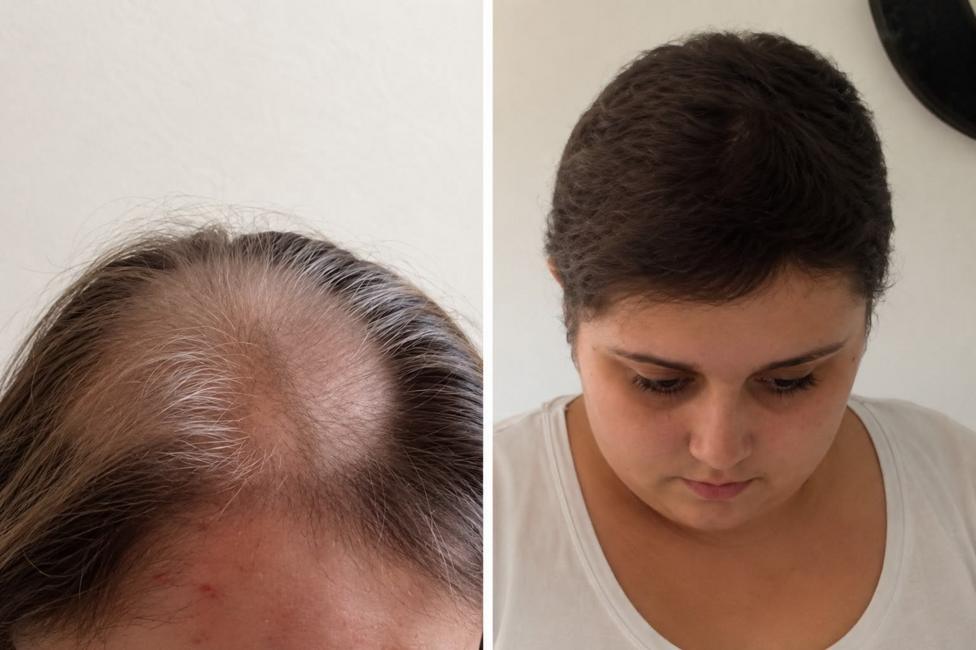
"constant nausea, stomach pains, mouth ulcers, just day-to-day fatigue, it was awful". The medication affected every aspect of her existence, with the risk of infection causing her to avoid social gatherings and family events. Her driving licence was initially revoked and later restricted.
"Before the treatment I used to go to the gym all the time, I was running, and me and Pete used to go for meals all the time, which obviously then I couldn't do,"she explained. The couple were also told she would be unable to conceive.
"I later went on to have two children, which he told me were both miracles,"she said.

Many other patients treated by Brown have reported serious medical complications from years of unnecessary TMZ exposure. One patient believes the drug rendered her infertile, while another developed leukaemia after receiving 100 unnecessary cycles of treatment.
What did the official review find?
A preliminary review by the Royal College of Physicians examined cases at the trust and found that patients were routinely administered prolonged courses of TMZ with
"little or no evidence of benefit". According to reporting on the RCP's preliminary findings, out of 20 cases examined, 15 were deemed
"unsatisfactory overall". The review identified staff failings that amounted to a
"betrayal of patient trust"and questioned why oncology pharmacy teams failed to challenge patients receiving oral chemotherapy continuously for 10 to 15 years.

The review team found
"scant evidence"of proper understanding and documentation of the risks associated with the drug. It also identified
"insufficient clinical curiosity"in some cases and a lack of collaboration with multidisciplinary team colleagues, which allowed potential diagnostic errors to persist unchecked.
Jones described the findings as
"chilling", adding:
"It's not just about what he's done, it's about how they let him act on his own for so long. It's almost like he was running his own show and no one was there to monitor what he was doing."
How was the truth finally discovered?
Jones's treatment continued for more than a decade until 2024, when she suddenly received a telephone call from a doctor stating that her chemotherapy was being discontinued.
"He didn't have any reason as to why. He told me Ian Brown had retired—this was the first I'd heard of it,"she said. She was told that any questions would be answered by her new oncologist, but no name was provided.
"I didn't know what to do, where to turn, who to talk to because I had no support from the hospital during that time,"she recalled.
It was only in May 2025, following independent analysis by neurosurgeons and radiologists commissioned by her legal representatives, that Jones learned the devastating truth: she had never had brain cancer. The condition she actually had—tumefactive demyelination—is an inflammatory disorder typically managed by neurologists using strong steroid medications.
"I never had a brain tumour. I was misdiagnosed and I've gone through all this treatment for the main part of my adult life, for no reason,"she said.
"He's just ruined my life, essentially."

Jones received the news during a video call with her solicitors and the medical experts.
"When we found out there were just tears in everyone's eyes,"said Tinsley.
What has the hospital said?
UHCW declined to comment on individual cases but stated that measures had been implemented to ensure
"more robust oversight of the prescription and use of TMZ". According to the trust's response to the RCP preliminary findings, all affected patients had been reviewed by senior clinicians,
"with appropriate care plans put in place".
The trust is also undertaking an independent review of its speak-up processes, led by an external party, to ensure staff feel fully supported and confident in raising concerns about clinical practice. A spokesperson stated:
"We want to reassure our community that patient safety, experience and wellbeing remain our top priorities."
What happens next?
The Royal College of Physicians' full review is scheduled for release in September 2026. Patients have been informed that the final RCP report, originally expected earlier, will not be released until September 2026. UHCW has committed to assessing the complete RCP review upon publication and will take further appropriate action based on its findings.
The case has drawn attention to broader concerns about oversight in cancer treatment. Lawyers are examining around 40 cases linked to extended chemotherapy at UHCW, suggesting the scale of the problem extends well beyond Jones's experience. The trust originally commissioned the Royal College of Physicians to review a representative sample of patients who had received more than 12 cycles of adjuvant temozolomide between 2017 and 2023, though the review has since expanded to examine cases spanning more than 20 years.
Key Facts
- Becky Jones received 11 years of chemotherapy for a condition she did not have, based on a misdiagnosis of terminal brain cancer
- She actually had tumefactive demyelination, an inflammation treatable with steroids, not aggressive chemotherapy
- More than 40 patients are pursuing legal action against UHCW over prolonged or unnecessary cancer treatment
- A Royal College of Physicians review found 15 of 20 examined cases were "unsatisfactory overall" and identified staff failings amounting to a "betrayal of patient trust"
- The trust's full RCP review is due in September 2026