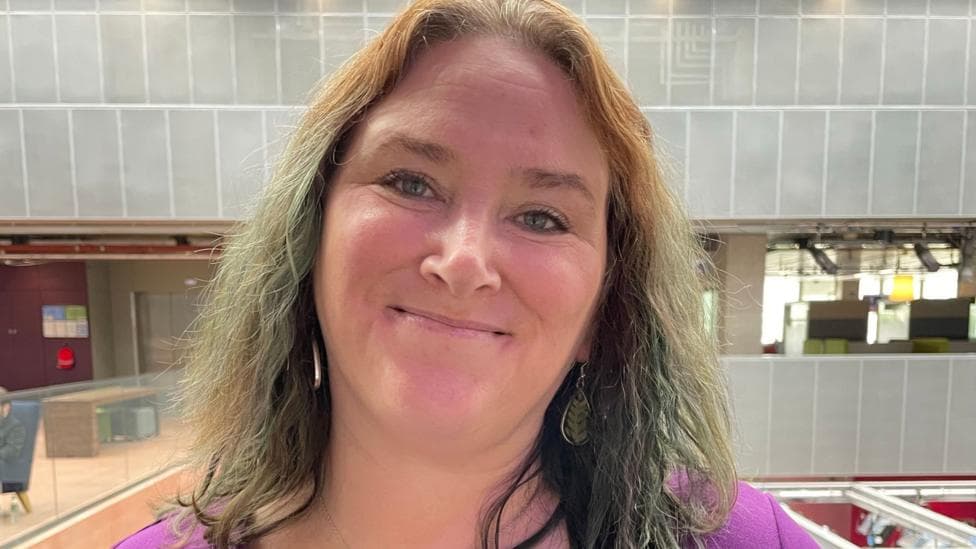
Niamh Smyth said she was shocked to find out where she had been directed to go when looking for the gynaecology department in the Ulster Hospital in Northern Ireland. The woman, who has spent 10 years trying to start a family with her husband Justyn, is calling for fertility and gynaecology appointments to be separated from maternity services in some hospitals after what she described as a "heartbreaking" experience.
Smyth and her husband have undergone four rounds of IVF (In vitro fertilisation), with three unsuccessful attempts and one pregnancy which ended in miscarriage. After nearly five years on a gynaecology waiting list, Smyth attended her appointment in May at the Ulster Hospital and later said the setting made an already difficult day worse.
Why did she feel upset by the location?
Struggling to find the whereabouts of the gynaecology department in the hospital, Smyth said she was shocked to discover it was located inside the maternity unit. She said the news was upsetting because she had arrived expecting a fertility-related appointment, not one placed in a maternity environment.
"I phoned them and asked where the gynaecology department was," she said.
"They told me it was inside the maternity unit. Whenever I heard that, my heart just dropped."
Smyth described sitting alongside expectant parents and families before receiving difficult news about her fertility.
"It was heartbreaking," she added.
"I went in for my appointment, which was a hard appointment, and then had to walk back out past those families."
The South Eastern Trust, where Smyth was treated, said it hopes to relocate outpatient gynaecology services from the Ulster Hospital's maternity unit in the coming months.
After the appointment, Smyth said she began to think more about what had happened and realised she could not be the only person who had felt upset by the location. She decided to share a video online, and many women contacted her with similar stories, suggesting it was a wider issue throughout Northern Ireland.
"It isn't just me; it's been going on for years and nothing has changed."

What is being said about the wider issue?
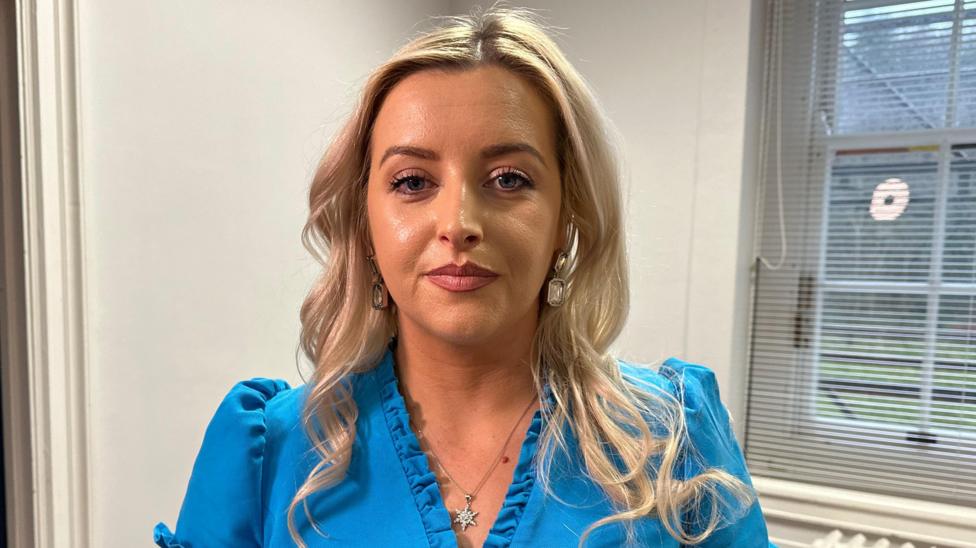
Órlaithí Flynn says that the location of where services are delivered should be considered as part of the Department of Health's 'Women's Health Strategy'. Sinn Féin MLA Órlaithí Flynn, who has also undergone fertility treatment, said she recognises the emotions felt by Smyth.
Following her own miscarriage, Flynn said she had
"very vivid memories"of attending appointments at the Regional Fertility Clinic.
"Your senses are totally heightened in terms of noticing babies coming and going from maternity hospitals and noticing pregnant mothers going in to have their babies," she said.
"All of those things seem a lot more sharp and a lot more real, and it can hurt."
Flynn said the health trusts
"do need to take into consideration the surrounding environment,"and should consider the emotional impact of where fertility and gynaecology services are located. She said that the location of where services are delivered should be considered as part of the Department of Health's 'Women's Health Strategy'.
What have the health trusts said?
NI contacted all five health trusts on the locations of their fertility and gynaecology services in relation to their maternity units.
The Belfast Trust said its Regional Fertility Centre operates from a
"dedicated facility"with
"its own separate entrance", while the Southern Trust say fertility treatment is provided from a
"standalone clinic".
However, the Western, Northern and South Eastern trusts acknowledge that attending appointments close to maternity services in some of their hospitals can be difficult for some women. Both the Northern and Western trusts said they are exploring ways to improve the experiences women with fertility struggles will have attending their services.
Why does Smyth hope sharing her story will help?
For Smyth, while it is painful for her to share her experience, she hopes she can encourage change for women facing similar journeys.
"I think fertility services should be in a separate unit from maternity.
"You're going through probably one of the hardest things you can go through. It just adds more stress and more pressure at a time when you really don't need it."
If you have been affected by the issues raised in this story you can visit the BBC Action Line for support.