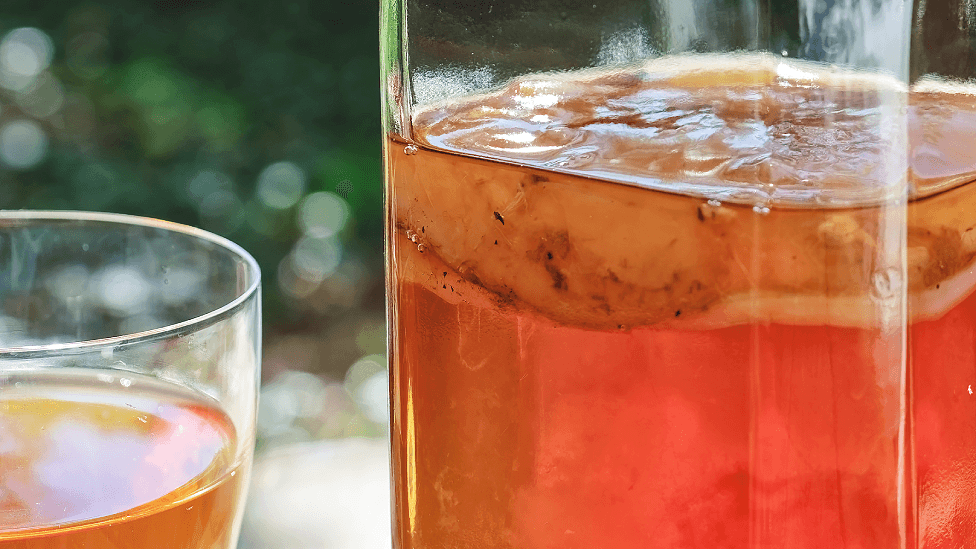
Kombucha is produced by fermenting tea with a scoby—a symbiotic culture of bacteria and yeast—that sits atop the liquid during the brewing process. The fermented beverage has been consumed for centuries across parts of Asia and is now marketed as a superfood capable of enhancing gut bacteria, strengthening the immune system, and even reducing stress levels.
For those pursuing wellness, kombucha has become an increasingly common choice in supermarkets. Yet the scientific evidence supporting these claims remains limited and mixed. Researchers at Aberystwyth University undertook a rigorous study to determine whether sustained kombucha consumption produces measurable physiological changes.
What did the controlled trial find?
The team conducted an eight-week randomised controlled trial involving 40 healthy participants. Half received a carefully prepared kombucha drink daily, while the other half consumed a placebo of flavoured water. The trial was double-blinded, meaning neither participants nor researchers knew who received the genuine kombucha, and results were published in a peer-reviewed journal.
Urine and blood samples were collected before and after the trial to measure whether kombucha's known ingredients—particularly certain polyphenols—produced detectable changes in the body. The findings showed promise in this regard: researchers identified measurable markers indicating improved levels of compounds associated with better health.
However, the trial's primary objective—determining whether kombucha helps manage stress—produced no significant effect. When participants underwent stress response testing, those consuming kombucha showed no meaningful difference compared to the placebo group. According to Aberystwyth University's follow-up findings, the team observed no clear differences in cortisol recovery, sweating, heart rate variability, or self-reported stress that could confidently be attributed to kombucha consumption.

Dr Amanda Lloyd, a lead researcher on the study, explained the team's approach:
My team is looking at the chemical composition of things after an intervention trial and after different processing methods of that food.She added that the researchers partnered with psychologists to examine stress response and aimed to design a kombucha product containing active compounds likely to benefit overall health.
The project received funding from Innovate UK, the government agency for innovation in the tech sector. Lloyd's team collaborated with Conwy Kombucha, a north Wales company producing kombucha-based drinks, to investigate the effects of kombucha in healthy individuals.

We applied with the kombucha company to provide a better kombucha. We really applied some of our scientific techniques to dig a bit deeper into what was in it, what was changing, what happens over time with the bioactive chemicals.

How does kombucha's composition vary?
Unlike pharmaceutical medicines, which typically contain one strictly controlled active ingredient, kombucha comprises numerous different compounds that can influence health. The exact levels of these compounds fluctuate based on multiple variables during production.
Dr Emma Short, a consultant histopathologist specialising in gastrointestinal and soft tissue pathology, specialises in gut health and the microbiome. She explained the range of beneficial substances found in kombucha:
You've got the organic acids, some B vitamins, vitamin C, minerals such as manganese, zinc.She noted that
the exact composition of the kombucha can vary depending on the time of fermentation, the temperature of fermentation, and which microorganisms are there in the scoby.
Recent laboratory research has added nuance to understanding kombucha's potential. A 2026 chemistry study found that kombucha made with green tea and oolong tea demonstrated the strongest antioxidant activity, though researchers emphasised that more clinical studies are necessary before claiming human health benefits.

What does existing research tell us?
Prior to 2025, fewer than 10 human-based studies into kombucha had been conducted. Most earlier research took place in laboratory settings rather than with human subjects.
There's a lot of research that's been done looking at kombucha but up until relatively recently most of it has been done in labs,Short explained.
But they are lab-based studies. As we've said it's really important that that research is done in humans so we can see to what extent we can translate those lab-based results into humans.
The broader picture of human evidence remains cautious. A 2024 controlled clinical study published in Scientific Reports found kombucha did not alter biochemical or inflammation profiles, providing context for why more recent human trials have produced similarly modest results. A 2026 review noted that clinical evidence for kombucha remains limited and inconsistent, despite promising laboratory and animal findings.

How should consumers approach kombucha?
Dr Lloyd emphasises that any functional product must be grounded in evidence-based science and cannot replace fundamental dietary practices.
If you want to be well, consume good food. I don't just need this functional fancy drink on my desk while I'm in the office. I still have to look at the basics,she said.
Am I having enough protein? Are the carbs there? Is it reduced salt, reduced sugar? The homecooked or foods with very few ingredients. Those are what you're looking for, the least amount of processing possible.
For those choosing to consume kombucha, Lloyd recommends selecting products carefully:
Look for a traditional live kombucha where the microbiota is alive in it. It's going to have a different taste to what you'd buy in a commercial fizzy drink. You want something that's naturally carbonated, not artificially carbonated.She acknowledges that distinguishing quality products from marketing hype presents a genuine challenge for consumers.
Dr Short, who previously made her own kombucha batches and consumes other fermented foods including kefir, sauerkraut, and kimchi, advises caution with commercial varieties.
Ideally your kombucha should just have the tea, sugar and the scoby,she said. Those interested in fermented foods for digestive health may find value in exploring how probiotics and fermented foods can enhance the digestive system more broadly.
What research comes next?
The chemistry study published in 2026 emphasised that further clinical studies are necessary to confirm whether specific kombucha types produce measurable health impacts in humans. The Aberystwyth team's work represents an important step toward understanding kombucha's actual effects, yet substantial gaps remain between laboratory findings and proven human benefits. As research continues, consumers should approach kombucha as a potentially beneficial beverage rather than a health solution in itself, and prioritise overall dietary quality above any single functional product.