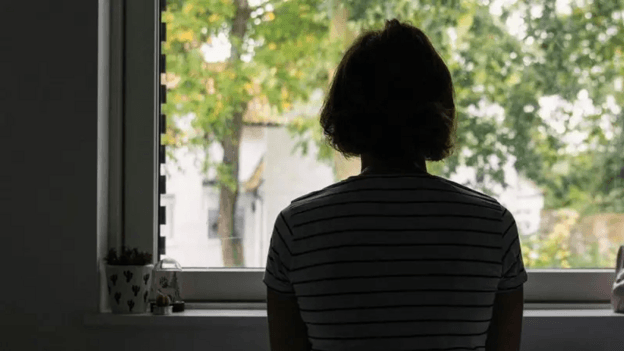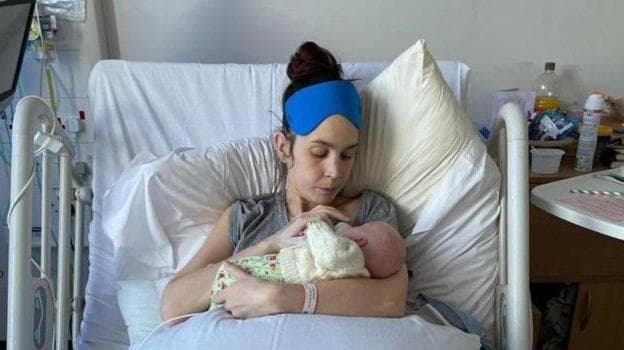
A mother-of-two underwent emergency surgery to remove part of her bowel after medical staff misinterpreted a scan in the days following her caesarean delivery, leading to a serious infection that could have proved fatal.
Natalie gave birth to her daughter Brooke by caesarean section at Birmingham's Good Hope Hospital on 11 January 2023. Within days, she experienced severe abdominal pain, swelling, and vomiting—symptoms she reported to clinical staff but says were not taken seriously at the time.
The 37-year-old factory worker from Solihull began suffering debilitating pain and swelling in her abdomen just days after delivery. She also experienced vomiting that included faecal matter, a sign of serious bowel dysfunction. However, when doctors reviewed a CT scan carried out on 14 January, they incorrectly interpreted the imaging as showing only temporary slowing of bowel movement following surgery, according to medical negligence lawyers at Irwin Mitchell.
"I knew something wasn't right after Brooke was born, but it felt like my concerns weren't being taken seriously,"Natalie recalled.
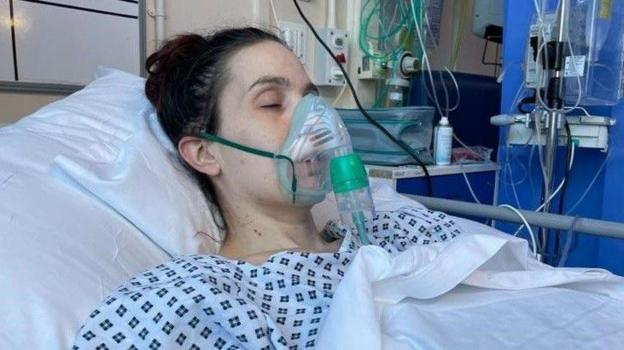
"My condition got worse over several days. Being told I needed emergency surgery is something I'll never forget. I was frightened I might die."
Her condition deteriorated rapidly over the following days, and she developed sepsis—a life-threatening response to infection. On 18 January, four days after the misread scan, she underwent emergency surgery in which surgeons removed a section of her bowel and fitted a stoma.
University Hospitals Birmingham NHS Foundation Trust later admitted a breach of duty and acknowledged that the CT scan had been incorrectly reported. The Trust confirmed that clinical decisions regarding Natalie's care were made on the basis of that diagnostic error. According to local reporting, the Trust stated it was "fully committed to thoroughly investigating" the care Natalie received and said it would not comment further while the investigation was ongoing.
A University Hospitals Birmingham spokesperson said the Trust
"is committed to providing safe, high-quality care" to all patients and to "learning from when things do not go as expected."The Trust added that
"as legal discussions are ongoing, it would not be appropriate to comment on the detail of the case, however, we are working constructively with [Natalie's] representatives."

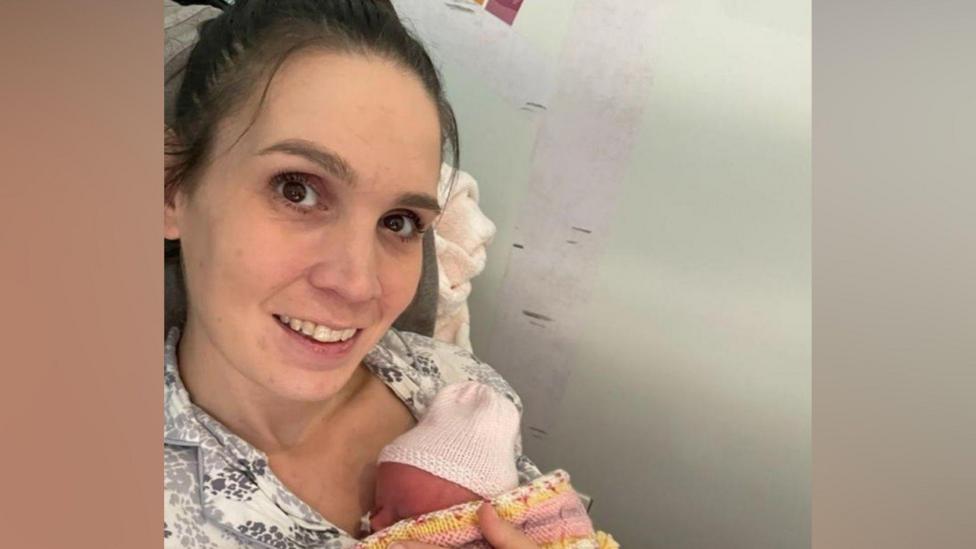
Long-term impact on daily life
The consequences of the delayed diagnosis have been profound and ongoing. Natalie, who also has a 15-year-old son named Callum, explained that the physical and emotional toll has affected nearly every aspect of her life.
"The impact on my life has been huge and I still live with the effects. I continue to struggle with pain, fatigue and digestive problems. It's affected everything from being able to do daily tasks to how I've been able to care for Brooke and Callum."
Following her emergency surgery, Natalie has required multiple additional procedures. These have included reversal of the stoma and treatment for complications such as a hernia and persistent wound problems.
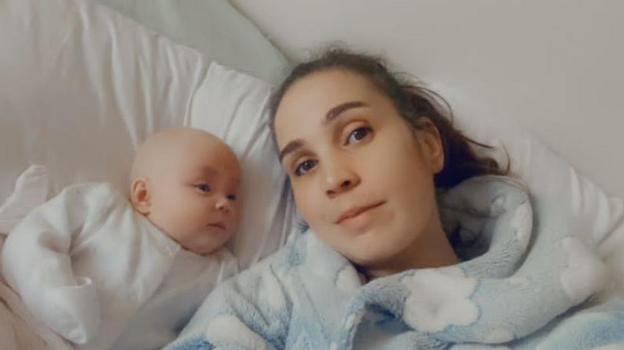
Why is Natalie speaking out now?
Rather than focusing solely on her own experience, Natalie has become an advocate for improved postnatal care. She is campaigning for women to receive better support and monitoring in the weeks following childbirth, and for healthcare providers to take maternal concerns seriously.
"I just want other women to be listened to and for warning signs after birth not to be missed."
According to reporting from June 2023, Natalie's case was part of a broader investigation into injuries at Good Hope Hospital, with her case being examined alongside concerns about other patients who had received care at the facility.
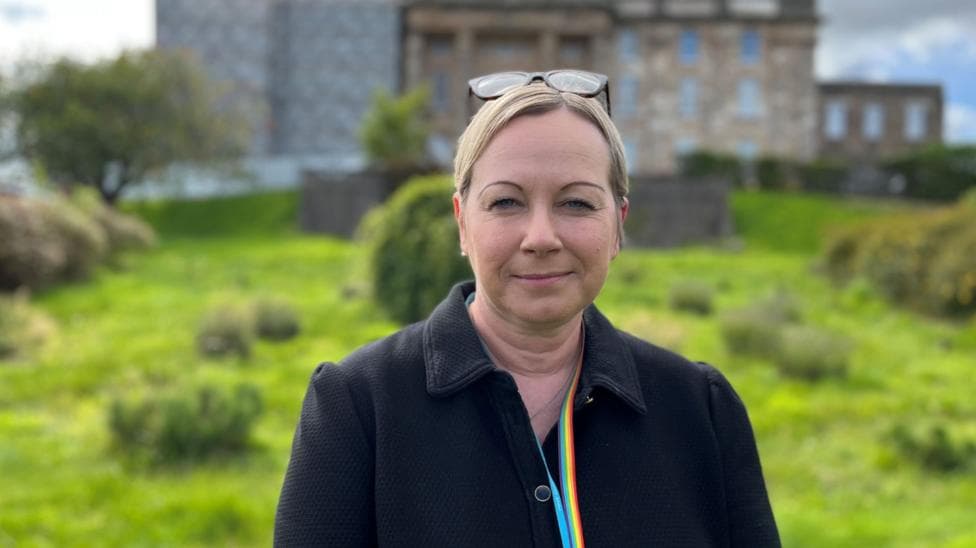
Jade Elliott-Archer, a lawyer at Irwin Mitchell representing Natalie, said:
"Our investigations have identified concerning failings in how Natalie's condition was recognised and responded to as her condition worsened. While these admissions provide Natalie with answers she deserves, they also highlight serious concerns about the care women can receive after birth."
What does Natalie hope will change?
Natalie remains determined that her ordeal will lead to systemic improvements in how maternity services monitor and respond to women's concerns during the postnatal period.
"If my experience helps improve care for even one mum, then it will have been worth it,"she said.
"No-one should have to go through what I did after having a baby."
Her case underscores the importance of clinical vigilance in the immediate aftermath of major surgery and the need for healthcare teams to respond promptly when patients report concerning symptoms, particularly in the vulnerable postnatal period.