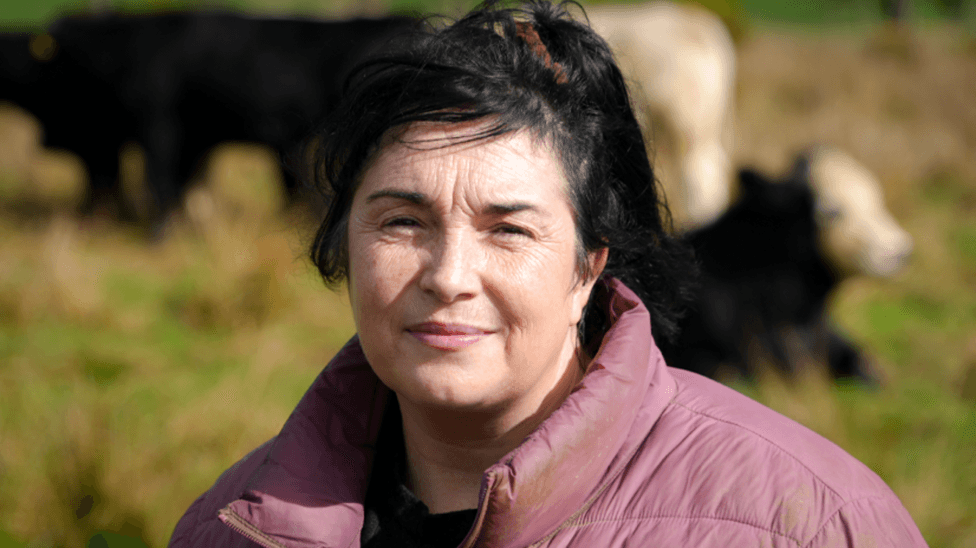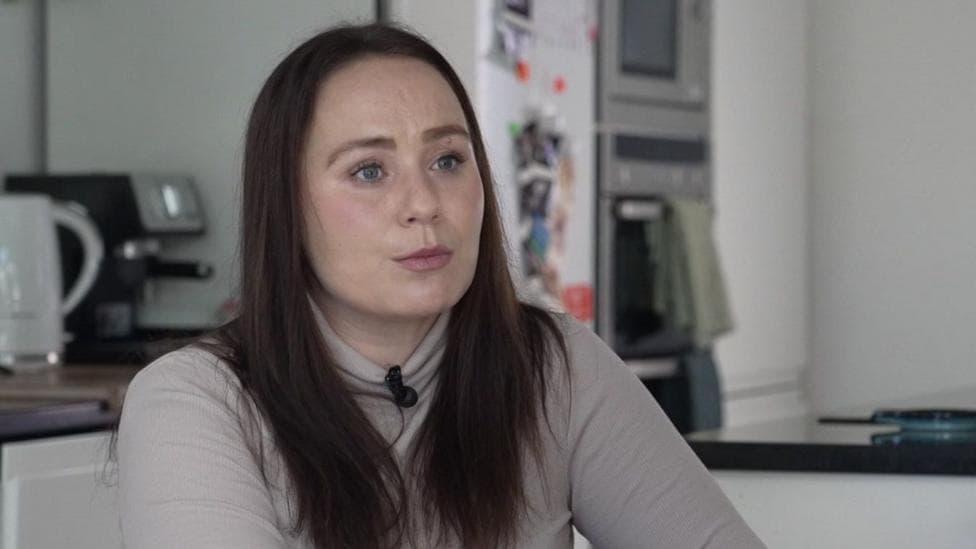
Rosanna Brown, who lives near Waterlooville in Hampshire, ended her pregnancy with her son William in 2023 after he was diagnosed with Chaos syndrome, a rare and life-threatening medical condition. Continuing the pregnancy would have endangered both their lives, yet Brown says the ordeal was compounded by insufficient professional training and awareness around termination for medical reasons (TFMR). She is now campaigning to improve how the medical system recognises and supports families facing this devastating choice.
Brown emphasises that her decision was not a miscarriage but a deliberate, medically necessary choice—one she describes as an act of love. Yet she found herself caught between the polarised abortion debate, with many people who experience TFMR choosing to tell others they had suffered a miscarriage instead, fearing their grief would be dismissed or politicised.
"Because it's a type of abortion, you have the pro-life pro-choice argument, you are thrown into the middle of that," she said. "You have this feeling that your grief isn't as valid because you've chosen [it]. It's such a complex and lonely thing to go through and it's so much harder if you can't tell the truth of what happened to you. Because for so many parents termination is the most loving thing they could offer."
Why terminology matters in medical records
One of Brown's key campaigns is ensuring that TFMR is used correctly in medical documentation. On her son's forms, her loss was recorded as a "late miscarriage"—language that, she argues, erases the reality of her choice and deepens the silence surrounding it. She did not encounter the term TFMR until months after William's death, a delay that left her searching for community and understanding during a period of acute grief.
"I made a choice here, I didn't naturally lose my baby," she said. "I didn't come across [TFMR] until a good few months after I'd lost him. And in that time, you're searching for community and for support and for compassion for people to get it. And if that term is not being used by medical professionals with the patients that they're seeing, I think sometimes it's because they're worried about offending you."
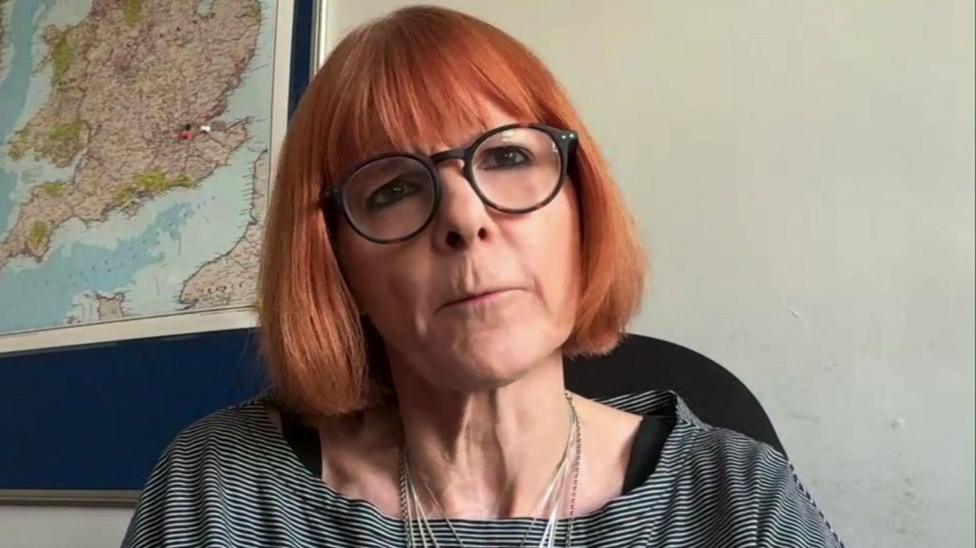
Jane Fisher, chief executive of the ARC Charity, underscores the importance of accurate language in the grieving process.
"It describes the reality of the situation and I think that's important both for parents to accept what happened but also for us to break the stigma and taboo around this particular loss. [Without it] it can be very difficult to grieve in a healthy way."
How widespread is termination for medical reasons?
Approximately 5,000 women per year in the UK are offered TFMR—a figure that exceeds the annual number of stillbirths and neonatal deaths combined. Yet the condition remains shrouded in stigma and misunderstanding, with many families reluctant to speak openly about their experiences.
Recent research has highlighted significant gaps in care and support. According to a 2024 survey by ARC, while 84% of respondents rated their care during TFMR as good or better, only 71% rated their aftercare as good or better. More troublingly, fewer than half of those whose pregnancies were under 24 weeks were offered a choice of termination method. A separate survey by Tommy's, ARC and Petals found that 72% of respondents felt TFMR was not treated like other types of baby loss, 80% felt isolated and 87% felt guilty.
What support is currently available?
An NHS spokesperson stated that the service offered "comprehensive support for women whose unborn baby is diagnosed with a serious health condition" and provided "mental health support for baby loss following a decision to terminate a pregnancy." A Department of Health and Social Care spokesperson added that "every woman going through this incredibly difficult situation deserves proper care, compassion and support" and noted that "all major abortion providers offer counselling and advice on the options available."
However, Brown's experience suggests that awareness and consistency in how this support is delivered remain inconsistent across the system. The lack of training among healthcare professionals means families often navigate their grief without proper acknowledgement of what they have endured.
Brown's personal journey and advocacy
Earlier this year, Brown and her husband became parents again to a daughter. They have committed to keeping William's memory alive, speaking openly about their son and planting a memorial garden in his honour. Brown has also rejected the advice to "not let this define you," arguing instead that her identity as William's mother is central to how she processes her loss.
"Some of the most painful advice [was] 'don't let this define you'. I really took offence because your identity changes, your whole life changes. I am defined [by it] and am quite happy to be. I need to find ways to keep tapping into that identity of parent to him because that's the only way he gets to exist, in this world."
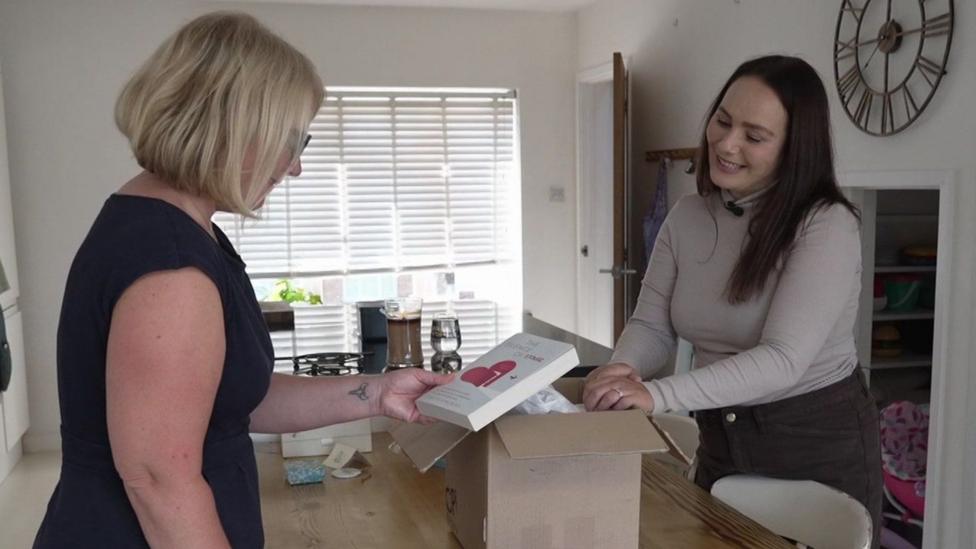
Her advocacy has taken a tangible form through her writing. Ahead of Baby Loss Awareness Week, which runs from 9 to 15 October, Brown has authored a compassionate guide designed to help others navigate similar experiences.
The history and role of support organisations
The ARC Charity, which has become a leading voice in TFMR support, began as Support After Termination for Fetal Abnormality and gained charitable status in 1988 after bereaved parents and health professionals identified unmet practical and emotional support needs. The organisation has since become instrumental in breaking the taboo surrounding TFMR and advocating for better care standards.
It is worth noting that in England and Wales, termination after 24 weeks is legally permitted only when doctors agree there is a substantial risk of serious handicap to the child. This legal framework shapes the circumstances under which families like Brown's face these decisions.
What happens next
Brown's book, *The Silence of TFMR*, is scheduled for publication on 6 October 2026 and will be the first book dedicated entirely to this subject. The work will be available in print and ebook editions from Watkins, with an audiobook version from Podium. Brown's continued public speaking about her grief and experience signals an ongoing commitment to raising awareness and challenging the silence that has long surrounded TFMR.
Key Facts:
- Approximately 5,000 women per year in the UK are offered termination for medical reasons, exceeding annual stillbirth and neonatal death figures
- Medical records often misclassify TFMR as "late miscarriage," erasing the reality of parental choice and complicating the grieving process
- Recent surveys show significant gaps in aftercare provision and limited access to termination method choices for pregnancies under 24 weeks
- Baby Loss Awareness Week takes place from 9 to 15 October each year
- Rosanna Brown's book on TFMR will be published on 6 October 2026