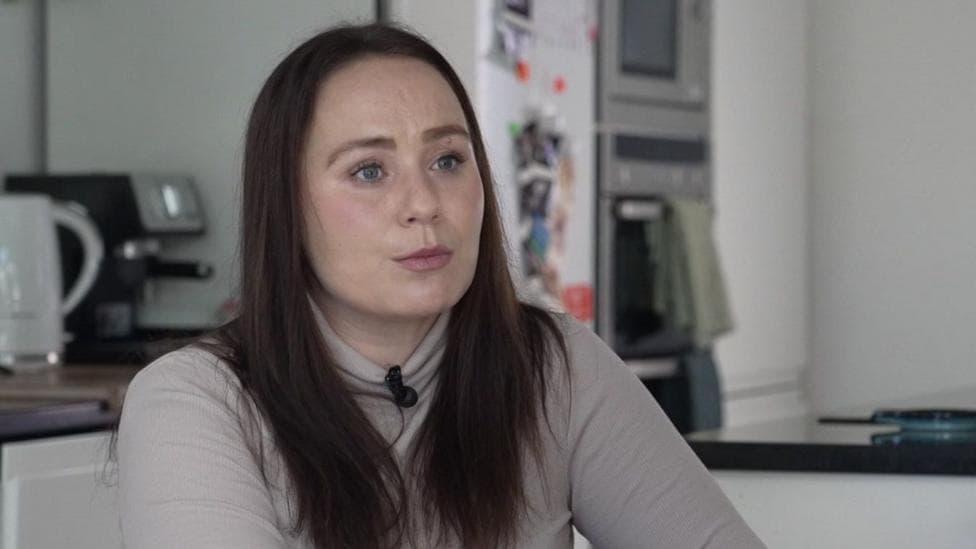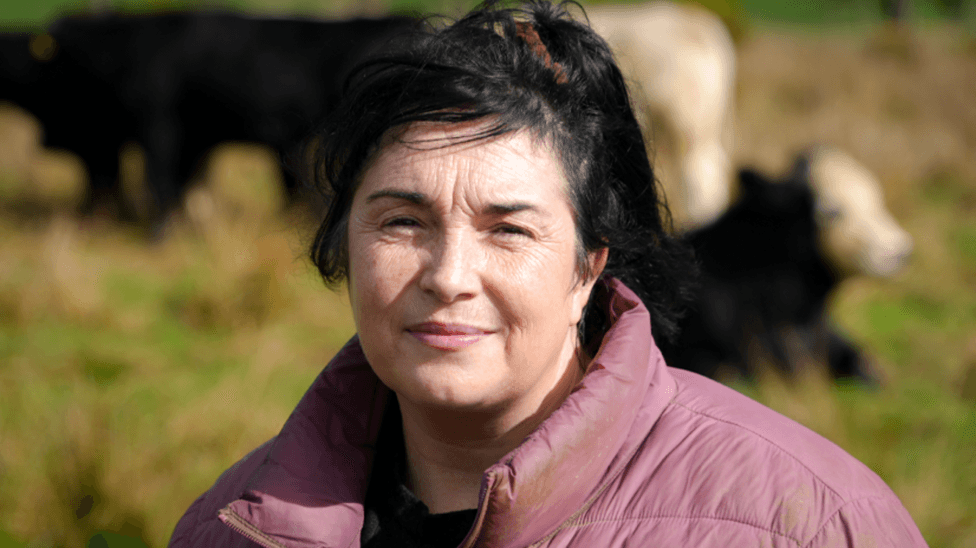
Tracy Lewis recalls the terror of childhood on a mid-Wales farm, where her father's physical and emotional abuse went largely unseen by the outside world. At eight years old, she was dragged from bed by her hair to assist with lambing while her mother, bloodied from her own injuries, warned that failure to help would result in both their deaths. Now 48 and farming the same smallholding where she grew up between Llandrindod Wells and Newtown, Lewis and other domestic abuse survivors are pressing governments to develop stronger protections for victims in rural communities.
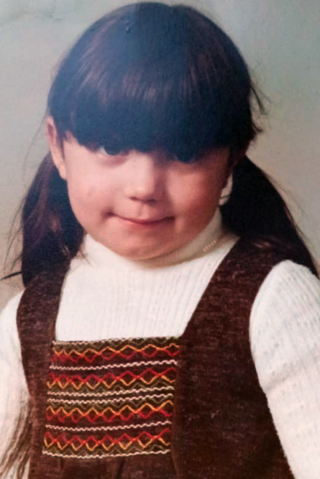
The UK government has acknowledged the need to address disparities in rural support provision, while the Welsh government indicated that challenges facing rural victims will be incorporated into its next national strategy. However, advocates argue that current policies remain inadequate for the unique barriers faced by those living in isolated areas.
How does rural isolation enable abuse to continue?
Rural geography creates conditions where domestic abuse can flourish undetected. Lewis describes how the farming community's tight-knit nature paradoxically conceals violence: neighbours know one another well, yet what occurs behind closed doors remains hidden. She recalls feeling trapped on the farm, with animals sometimes weaponised as instruments of control—beatings administered when livestock died, her mother injured when animals fell ill. The isolation was compounded by her mother's complete dependence on farm life, leaving her with no independent support network.
According to research by the National Rural Crime Network, domestic abuse lasts on average 25% longer in the most rural areas compared with towns and cities. Rhianon Bragg's experience illustrates this vulnerability starkly. After leaving an abusive relationship, she endured eight hours held at gunpoint by her ex-partner at her remote smallholding in Gwynedd, north Wales, in 2019. She screamed for help knowing no-one would hear her because of her rural location.
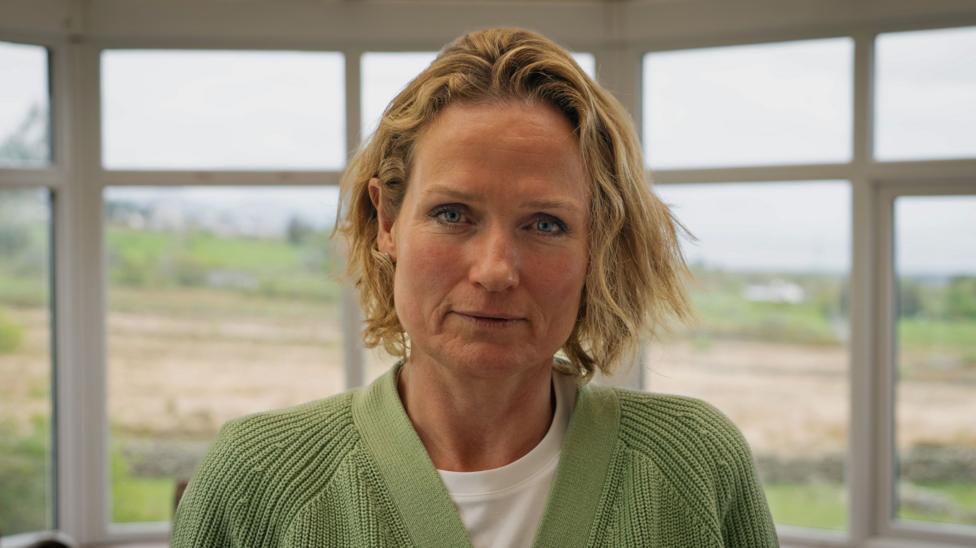
Bragg has since worked with police and safeguarding agencies to address rural domestic abuse and stalking. She emphasises that rural isolation transformed her home from a place of peaceful seclusion into one of vulnerable isolation, with perpetrators exploiting the distance from emergency services and limited connectivity to maintain control.
What specific barriers do rural victims face?
Rural victims encounter obstacles unknown to their urban counterparts. Bragg argues that all UK and Welsh government domestic abuse policies should be "rural proofed"—designed with rural realities in mind. These barriers include poor internet connectivity, distance from police stations, lack of public transport, absence of private spaces to seek help, and fear that requesting assistance will become known throughout small communities where everyone knows everyone else.
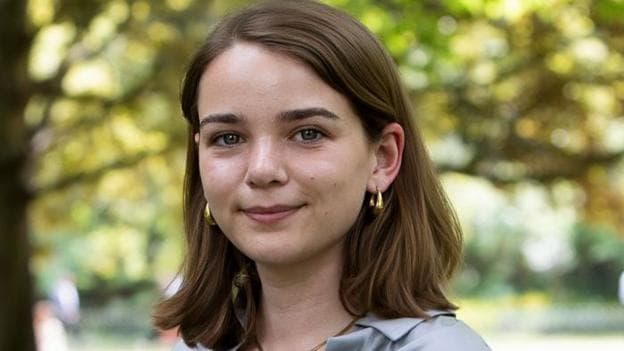
Hayley Heard, chief executive of Montgomeryshire Family Crisis Centre, manages a support service covering north Powys—an area of 839 square miles that can take four hours to traverse from end to end. According to the centre's records, it supported 296 women, 88 men and 231 children in the previous financial year. The organisation faces significant operational challenges: covering such vast distances requires substantial fuel costs, and the centre recently lost a funding bid for approximately £102,000 intended to maintain its children's and young persons project, which delivers abuse awareness education in schools.
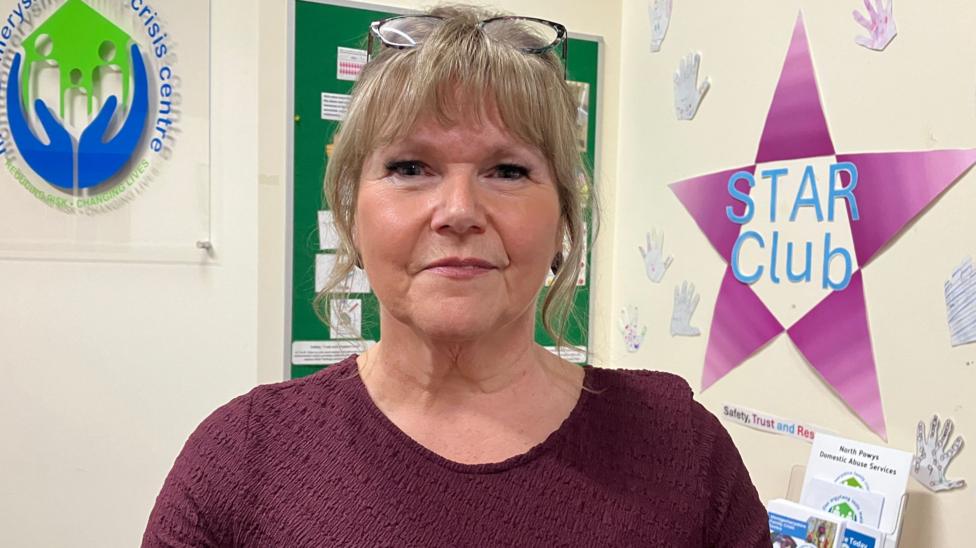
Heard stresses that while abuse itself is not fundamentally different in rural areas, the barriers to accessing help are magnified. Domestic abuse thrives on isolation, and in rural communities that isolation can be intensified by lack of transport, nowhere private to go, and fear of community exposure.
What do experts say needs to change?
A report published in May by RiTA—Rural Initiatives Tackling Abuse—found that rural domestic abuse victims were being failed by current systems. The working group, the UK's first focused specifically on rural inequality and domestic abuse, proposed a 12-point plan recommending that the UK government establish a parliamentary commission on rural domestic abuse and systematically "rural-proof" government strategies.
Dame Nicole Jacobs, Domestic Abuse Commissioner for England and Wales, welcomed the report and told the media that rural victims' circumstances are
frequently weaponised by their perpetrators. She added:
If we're serious about tackling domestic abuse and addressing inequalities across society, services and support must be designed with rural victims in mind. That means making sure rural communities are not overlooked and ensuring specialist services have the funding and resources they need to reach every victim, wherever they live.
Lewis emphasises the role schools can play. She describes school as a "saviour" during her childhood and believes that funding for abuse awareness education in schools would be invaluable.
If we can explain to children what abuse is and what it looks like, that would be a really good place to start,she said.
What support exists and what gaps remain?
Wales's Live Fear Free helpline, according to the Welsh Government's annual progress report, handled 28,137 enquiries in 2024–25 and answered 94.6% of enquiries at the first attempt. However, Heard argues there remains a substantial gap between rural and urban domestic abuse provision. The Welsh Government's national strategy, launched in May 2022, sets six objectives including early intervention and equal access to appropriately resourced support services, yet rural implementation remains inconsistent.
The UK government stated it was
working to address disparities in provisionand pledged more than £1 billion in dedicated funding over the next three years to improve support to rural victims. Officials emphasised that
close collaboration with charities and community organisations is helping us better understand the barriers facing rural communitiesand that
no victim of domestic abuse should be denied support because of where they live.
The Welsh government acknowledged that
victims and survivors in rural communities can face more barriers to accessing helpand stated that
these challenges will be considered in our next national strategy to help ensure services are able to meet the needs of people across all parts of Wales.
What are survivors calling for?
Lewis urges anyone experiencing abuse to speak out.
Tell someone, a friend, a neighbour, once you start telling people, things will move,she said. She also advocates for comprehensive policy reform:
A good overhaul of policy would be for the best because out here you can hide a lot of stuff. I think there's a lot more domestic violence that goes on in rural communities than anyone will ever know.
Bragg similarly calls for all government domestic abuse policies to be "rural proofed," highlighting that current disparities mean rural residents face systematic disadvantage.
There is so much that should be addressed for people to be treated evenly, and at the moment, if you live rurally you're on the back foot,she said.
Key Facts
- Approximately 11 million people live in rural areas of the UK, representing more than 15% of the population
- Domestic abuse lasts on average 25% longer in the most rural areas than in towns and cities
- The UK government has pledged more than £1 billion in dedicated funding over three years to improve rural domestic abuse support
- Montgomeryshire Family Crisis Centre supported 296 women, 88 men and 231 children in its previous financial year while covering an area of 839 square miles