Women in Wolverhampton who have missed cervical screening appointments are being offered home-based testing for human papillomavirus (HPV) as part of a nationwide rollout aimed at increasing participation rates. The NHS initiative provides free self-testing kits that can be ordered online and completed in privacy, addressing a significant gap in screening uptake where approximately one-third of eligible women have not attended appointments.
According to NHS England, the home HPV self-testing rollout began on 25 August 2026, with nearly 4 million women in England invited to participate if they had not attended cervical screening following previous invitations. Eligible women are being contacted through the NHS App, text message, email or letter, and can then order a free kit online or through their NHS online account.
HPV is a widespread virus, and certain high-risk variants can trigger cellular changes in the cervix that may progress to cervical cancer if left untreated. However, these changes are typically manageable when detected early, before cancer develops. Obaida Ahmed, City of Wolverhampton Council's cabinet member for health, wellbeing and community, emphasised the importance of the scheme:
Two women die every day from cervical cancer in England, yet it is one of the most preventable cancers.
How does the home testing kit work?
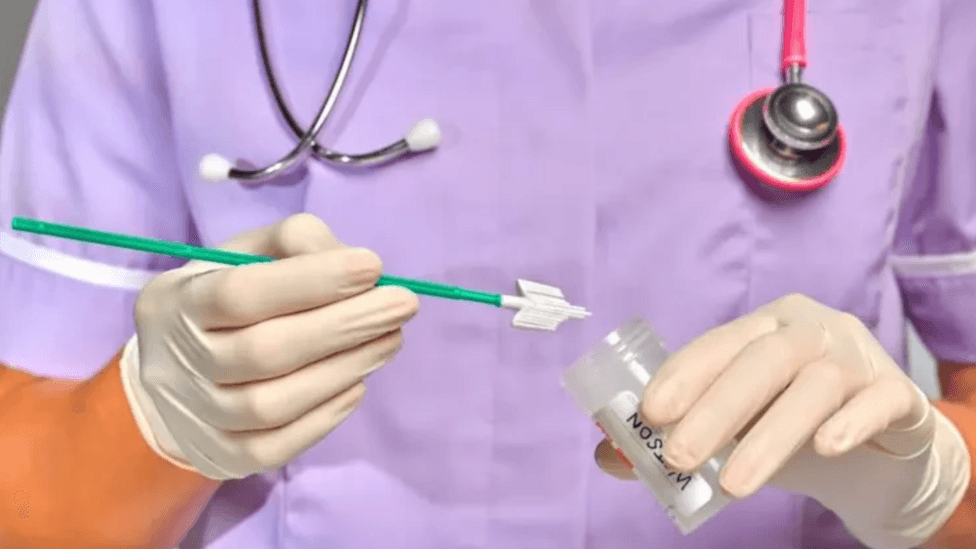
The self-testing kit contains a swab used to collect a sample at home, which is then posted for analysis at no cost to the user. According to government guidance, kits are sent in discreet packaging and returned by pre-paid mail in a local postbox, removing barriers related to privacy concerns or appointment availability.

The self-test screens for HPV only. According to NHS guidance, anyone who tests positive for high-risk HPV still requires a clinician-taken sample for further cytology assessment to determine whether cellular changes are present.
Who is eligible for the scheme?
The programme is invitation-only and initially targets people aged 30 to 65 who have not attended screening after earlier invitations. Women aged 24 to 64 are normally invited for cervical screening every five years, or more frequently if HPV is detected. The rollout is phased across England, meaning more eligible people will be added as the programme expands.
What happens if HPV is detected?
If high-risk HPV is detected during home testing, the person will be invited to attend a follow-up appointment at their GP surgery or a sexual health clinic for further sampling and assessment. This two-stage approach ensures that positive results are properly evaluated before any treatment decisions are made.
Why is this scheme being introduced?
The UK National Screening Committee recommended HPV self-sampling specifically for under-screened groups—people who have never attended or rarely attend cervical screening. By removing practical barriers such as appointment scheduling and clinic visits, the NHS aims to engage women who have previously declined or been unable to access traditional screening services. The home-based approach is designed to increase overall screening coverage and catch potentially serious conditions at an earlier, more treatable stage.
Key facts
- Nearly 4 million women in England are eligible for the home HPV self-testing scheme, which began on 25 August 2026
- Kits are ordered online through the NHS App or NHS online account and returned by pre-paid post in discreet packaging
- The scheme initially targets women aged 30 to 65 who have not attended cervical screening after previous invitations
- Anyone testing positive for HPV will be invited for a follow-up appointment to determine whether cellular changes require treatment
- Cervical cancer remains preventable in most cases when detected early, yet two women die from it daily in England