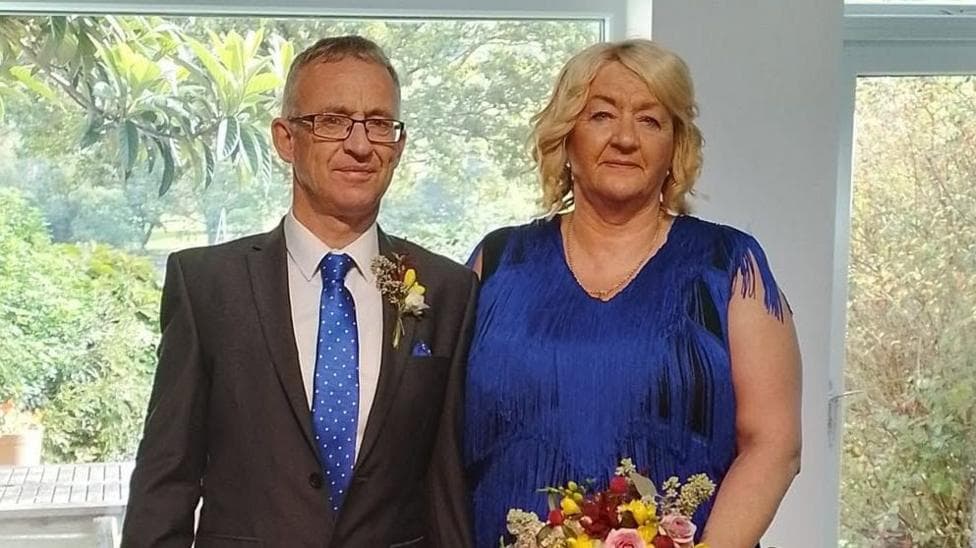
Margaret Owen lost her husband Islwyn in 2024 when he fell into a slurry pit at their farm near Bala in north Wales. Now, following the deaths of a father and son in similar circumstances last week, she is speaking out about the pressures facing agricultural workers and the alarming rise in fatalities across British farms.
The latest figures from the Health and Safety Executive reveal that 22 workers died on farms across Wales, England and Scotland during 2025-26, marking the highest annual toll in a decade. The rate of farm deaths was seven times higher per 100,000 workers compared to the all-industry average, and 21 times more likely than deaths in other sectors.
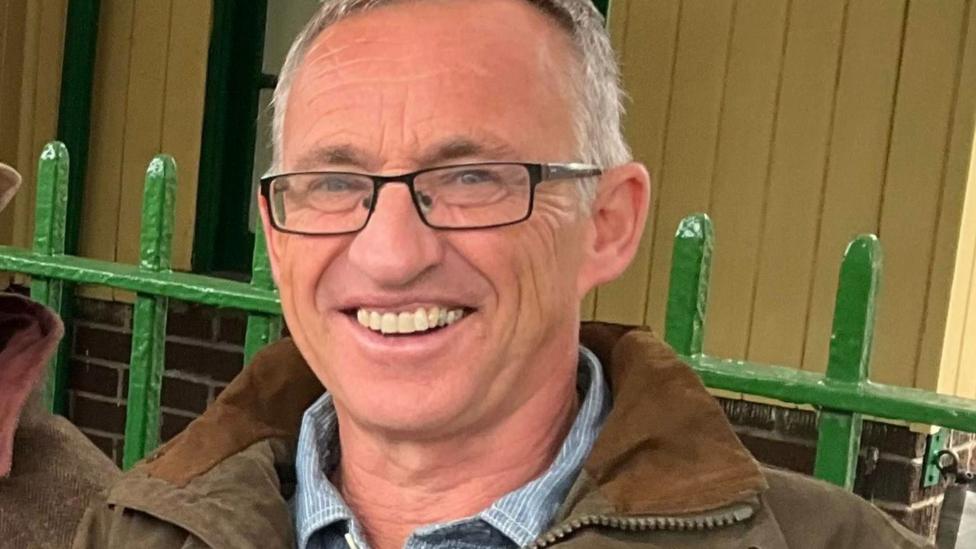
Islwyn Owen, aged 67, died on the evening of 4 September 2024 after climbing onto a short wall to adjust machinery at Cefn Bodig farm in Llanycil. He fell into the slurry pit and suffered asphyxia along with serious injuries to his right arm and chest caused by the machinery. His body was discovered by a neighbour approximately 90 minutes after he was reported missing. An inquest concluded his death was accidental, though the coroner noted there was sufficient reason to believe the death was not due to natural causes.
Margaret said the recent deaths of Alan Ford, 72, and his son Rick, 42, who fell into an industrial slurry tank at a farm in Chester on 26 August, had brought the trauma of her husband's death flooding back.
The weather had been wet and there was a problem with mixing the slurry and emptying the slurry before the cattle came in - it was quite a stressful situation, she explained, describing the conditions Islwyn had been managing before his accident.
What pressures do farmers face?
Margaret highlighted that Islwyn had been under considerable stress from a combination of adverse weather conditions and Welsh Government regulations introduced to protect waterways. The rules banned farmers from spreading slurry between mid-October and January, creating logistical challenges when managing livestock and manure storage. Under the Control of Agricultural Pollution Regulations, farmers may resume spreading but must still follow restrictions on weather, soil conditions, waterways and record-keeping. Current Welsh Government guidance requires slurry to not be spread within 10 metres of surface water, or 6 metres if precision spreading equipment is used.
Margaret stressed that farmers in general face considerable stress, and that although the regulatory environment had not directly caused Islwyn's death, it contributed to the pressures he was managing. Environment minister Llyr Gruffydd has indicated he wants to review the winter spreading ban following Plaid Cymru coming into power.
How dangerous are slurry storage systems?
Health and Safety Executive guidance classifies slurry stores, pits, tanks and chambers as confined spaces with risks from toxic gases and oxygen deficiency. These hazards make falls into such structures particularly deadly, as workers may lose consciousness rapidly or suffer multiple injuries simultaneously.

What has been the impact on Margaret?
Margaret described the immediate aftermath of Islwyn's death as devastating.
For over a year I had tears coming every day, and I thought I'm going to be like this forever. But it's getting easier, she said. She was forced to sell their farm stock and arrange for other farmers to rent the majority of their land, fundamentally altering her life and livelihood.
Despite the trauma, Margaret has remained in Llanycil and has focused on keeping herself occupied.
It's important to focus on the nice memories, she reflected, noting that she has channelled her energy into keeping horses.
Margaret emphasised that Islwyn had been exceptionally safety-conscious for a farmer.
Islwyn was so careful - one of those rare farmers who wore a helmet, she said.
He was aware of the dangers of farming and I kept saying 'be careful'. Yet despite his precautions, he could not prevent the accident that claimed his life.
Why is the death toll so concerning?
Margaret expressed alarm at the clustering of deaths in her local area.
It seems that things are getting worse and worse, she said, adding that
four [people] within four miles of here have died in recent years - it's scary isn't it?The concentration of fatalities in a small region suggests systemic issues affecting farm safety across Wales.
The 22 deaths recorded in 2025-26 represent a significant increase and underscore the hazardous nature of agricultural work. Farm workers face risks from machinery, falls, confined spaces, and environmental factors that are often compounded by isolation, time pressure, and the physical demands of the work.
What happens next?
A full inquest into Islwyn Owen's death was still to be scheduled, with further inquiries pending after the initial hearing was adjourned. Police said they were working with the Health and Safety Executive to establish the circumstances of the incident.
Margaret's decision to speak publicly about her husband's death and the broader crisis in farm safety reflects a determination to ensure that his loss contributes to greater awareness and, potentially, to changes that could prevent future tragedies. Her testimony adds a human dimension to the stark statistics on agricultural fatalities and underscores the lasting impact of these preventable deaths on families and communities.