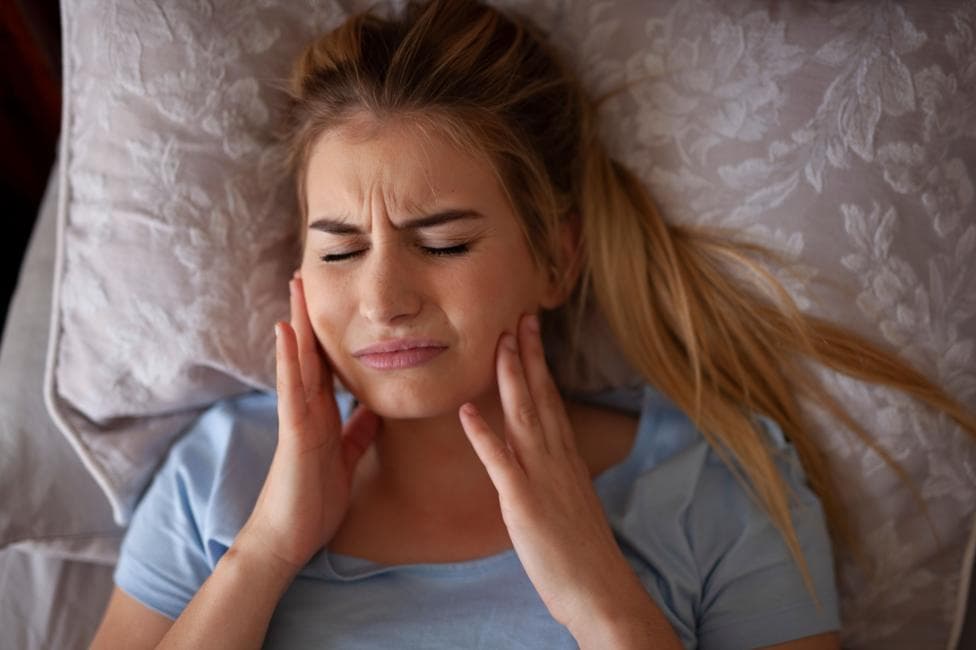
Nearly one in four people are thought to have bruxism, a condition involving repetitive jaw-muscle activity, although most remain unaware they grind their teeth until symptoms emerge. Dentists across the country report an uptick in cases among younger patients, with stress and anxiety cited as primary drivers of the condition.
Ella, 31, experienced severe bruxism that caused excruciating jaw ache, persistent headaches, and visible tooth wear. Her molars were disappearing, and her face was changing shape. After years of managing the pain, she sought treatment that she says has transformed her life.
The British Dental Association acknowledges anecdotal evidence suggesting bruxism is becoming more prevalent, though specific prevalence figures remain unavailable. Dr Aditi Desai, president of the British Society of Dental Sleep Medicine, confirms the trend.
It is definitely on the rise, and it's no surprise given that life itself nowadays can be so stressful.
According to a 2026 industry report, jaw-clenching and teeth-grinding are driving increased demand for medical treatment among dental practitioners, reflecting the growing recognition of the condition's impact.
What exactly is bruxism?
Bruxism is an umbrella term encompassing four distinct jaw movements: clenching, grinding, bracing and thrusting. Some individuals grind their teeth during sleep, while others do so while awake. The intensity varies widely—some people barely notice the behaviour, while others can gnash through protective mouthguards and disturb sleeping partners.
According to Johns Hopkins, bruxism typically occurs unintentionally and can involve any combination of these jaw movements.
How can you recognise bruxism?
Several warning signs indicate you may be grinding your teeth. Worn, chipped or flattened teeth are common physical indicators. Morning headaches or facial pain, disrupted sleep and daytime tiredness, and earache or temple pain without infection are also typical symptoms. Many people only discover they have bruxism when a dentist identifies tooth damage during routine examination.
Why does stress trigger teeth grinding?
Research consistently links bruxism to psychological stress. When trauma or stress activates the body's fight-or-flight response, heart rate increases, adrenaline releases, and muscles tense in preparation for perceived threats. Because the jaw and nervous system are closely connected through major cranial nerves, jaw muscles become triggered and clench or grind.
Psychotherapist Rahi Popat explains that during sleep, teeth grinding can function as a mechanism for releasing accumulated tension from waking hours.
If we do it overnight, it's a way of our bodies releasing some of the stress and tension we might have felt through the day.
The British Association for Counselling and Psychotherapy notes that teeth grinding is mentioned more frequently in therapy sessions, suggesting people are increasingly aware of how mental health impacts physical symptoms. Younger clients particularly report noticing grinding episodes during stressful periods in their lives.
Ella attributes her grinding to high-functioning anxiety.
I know it's to do with my stress levels. I have high functioning anxiety - you wouldn't think it if you met me. I'm busy, and I go out a lot to mask it.For years she tolerated the pain, but when her dentist warned that her teeth were at risk, she decided to pursue treatment.

Can bruxism ever be beneficial?
While bruxism typically causes harm, research suggests it can occasionally serve protective functions. Prof Frank Lobbezoo, a leading researcher on the condition, points out that in cases of obstructive sleep apnoea (OSA)—where an airway blockage restricts breathing—patients may grind their teeth to move the obstruction and restore airflow.
That's a very good example of why bruxism can keep you alive.
Beyond survival mechanisms, jaw movement activates salivary glands, producing saliva that cleanses the mouth, protects teeth and aids digestion.
Bruxism is also important for the production of saliva. Moving the jaw muscles activates the big salivary glands.
Some research also suggests chewing stimulates cognition.
We know this in animals, and our preliminary research is showing it in humans. By working our jaw muscles we are stimulating blood flow to the brain.

However, these potential benefits do not outweigh the condition's serious downsides for most sufferers. Chronic pain, sleep disruption, jaw ache and extensive tooth damage can significantly impact daily functioning and quality of life.
What damage can grinding cause?
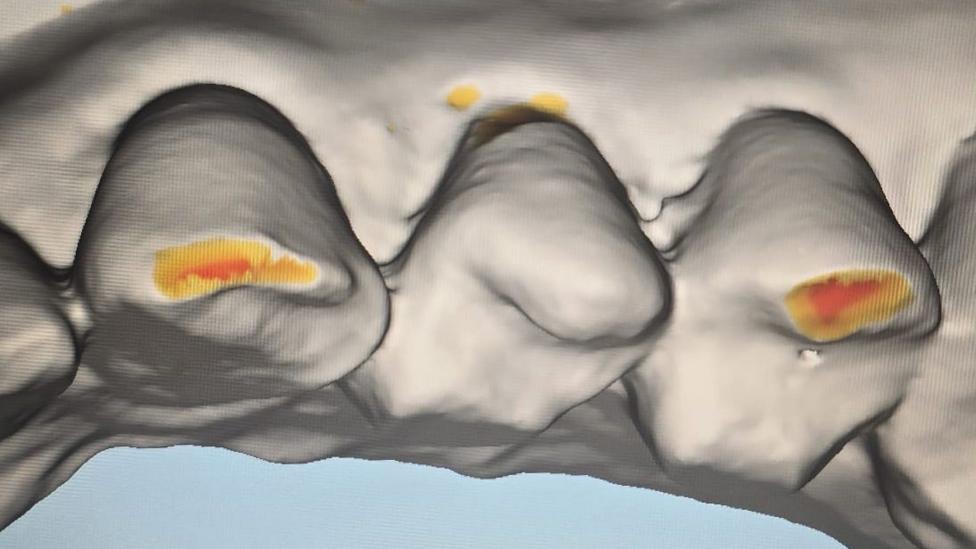
Dr Simon Cove, a dentist treating both private and NHS patients, uses 3D scanning technology to assess and track tooth wear over time.
Often people are not even aware they are doing it, but then we get to see the damage. If the teeth have been worn down to such an extent, treatment can be extremely complex and can cost thousands of pounds.
While severe cases requiring complex restoration are relatively uncommon and typically develop over years, the financial and health implications can be substantial. Dentist Riaz Yar, a specialist in prosthodontics, treats patients with worn, cracked and fractured teeth resulting from severe bruxism, along with failed dental work and chronic jaw or facial pain.
How should bruxism be treated?
Addressing bruxism effectively requires identifying its underlying cause rather than simply managing symptoms. Dr Aditi Desai emphasises this point:
Too often, dentists give out mouthguards without checking why it is happening.Serious conditions like obstructive sleep apnoea must be ruled out, as treating the underlying disorder may resolve grinding.
Riaz Yar describes bruxism as a biopsychosocial issue driven by the brain and nervous system and shaped by the whole person. Comprehensive assessment considers sleep patterns, diet, weight, exercise levels, medications and signs of sleep disorders.
Many factors can contribute to a patient grinding their teeth, so addressing the condition requires a multidisciplinary approach.
Several treatment options are available. A protective mouthguard worn at night shields teeth from damage. For sleep-apnoea-related grinding, devices such as CPAP machines or mandibular advancement devices (MAD) help keep airways open. Lifestyle modifications—including exercise, reducing alcohol consumption, quitting smoking and improving diet—can reduce stress and improve sleep quality.
According to a 2026 systematic review on awake bruxism, behavioural steps such as reducing coffee intake, eliminating smoking, addressing sleep deprivation, limiting screen time and reviewing medications can help manage the condition.
For jaw pain or swelling linked to teeth grinding, NHS guidance updated in April 2026 indicates that paracetamol or ibuprofen can provide relief. Additionally, avoiding stimulants in the evening—particularly caffeinated beverages after dinner—and abstaining from alcohol at night may reduce grinding episodes.
Muscle-relaxing injections offer another option. Ella decided to have Botox injected into her masseter muscles, the muscles controlling jaw movement. The procedure relaxed these muscles and reduced facial tension, with effects lasting three to four months.

Over the past few months I've been able to sleep properly. I've got so much more energy in the mornings, the pain has reduced and my face is not as square.
According to a 2026 German clinical guideline, botulinum toxin injection into the chewing muscles may be considered for adults with bruxism, reflecting growing acceptance of this approach in clinical practice.
Ella combines her medical treatment with stress-reduction techniques.
Having treatment has transformed my life. Now I want to try and figure out the root cause.She has begun meditating to reduce anxiety and address the underlying tension she regularly carries.
What happens next?
Clinical research into bruxism treatment continues to advance. A recent clinical study demonstrated significant sleep bruxism reduction, with FDA submission initiated and U.S. regulatory approval targeted for 2026, suggesting new therapeutic options may become available to patients in the coming months.
As awareness of bruxism grows and younger people increasingly recognise the connection between stress and teeth grinding, dental professionals emphasise the importance of comprehensive assessment and multidisciplinary treatment approaches rather than symptom management alone.