A growing number of men in the UK are opting for non-surgical penis-enlargement procedures using dermal fillers, seeking increased girth for reasons ranging from personal confidence to perceived social pressure, even as urologists warn the practice carries serious and poorly understood risks. One patient, referred to here as Jason, had the procedure done in Manchester and says the results left him and his partner satisfied, though specialists caution that outcomes are not always so positive.
Jason, who spoke on condition of anonymity, said he deliberately avoided going to an extreme with his treatment, referencing an informal nickname within the community for over-filled results.
Some people go really overboard.
His treatment increased the girth of his penis by 16%, a change he describes as giving him a lift in self-esteem, which he calls a "self-confidence boost".
What motivates men to seek this procedure?
Jason says his decision was rooted in wanting better proportion rather than raw size, and that function was unaffected by the treatment.
Everything still functions as normal — just with that extra little bit of width.
He explains that he was already content with the length of his penis but wanted more symmetry between length and girth.
If you feel like it's a bit lacking, then, why not?
Before going ahead, Jason spent roughly a year researching his options and deliberately ruled out permanent surgical alternatives in favour of a temporary filler made from hyaluronic acid, reassured that any result he disliked would eventually fade on its own.
Jason rejects the idea that his choice was driven by machismo, insisting he does not equate penis size with masculinity.
I don't to 'how big your dick is, is how big of a man you are'.
Instead, he attributes the trend to shifting cultural standards of male appearance, comparing it to pressures long faced by women.
It's not just women that need to keep up, men need to keep up as well.
He points to media and imagery as a driving force behind these expectations.
It's literally just society changing. I think the way the media portrays everything has a massive impact on everyday life now. It's like you can't actually go anywhere without seeing some picture-perfect somebody.
Clinic marketing appears to lean into these anxieties, with some websites for penis-enlargement services directly asking prospective clients whether they are embarrassed about their size.
How is the filler procedure carried out?
Several different penile-enhancement techniques exist, spanning surgical and non-surgical approaches and a range of injectable materials, though hyaluronic acid — the same substance widely used in lip fillers — remains the most common choice. It is a naturally occurring sugar molecule in the body, often described as a "moisture magnet" because of how strongly it binds with water.
Dr Javed Hussain, who trained as a medical doctor before moving into cosmetic work, has offered penis filler treatments for more than a year at his clinic in Prestwich, Greater Manchester. Notably, performing the procedure does not legally require any medical qualification.
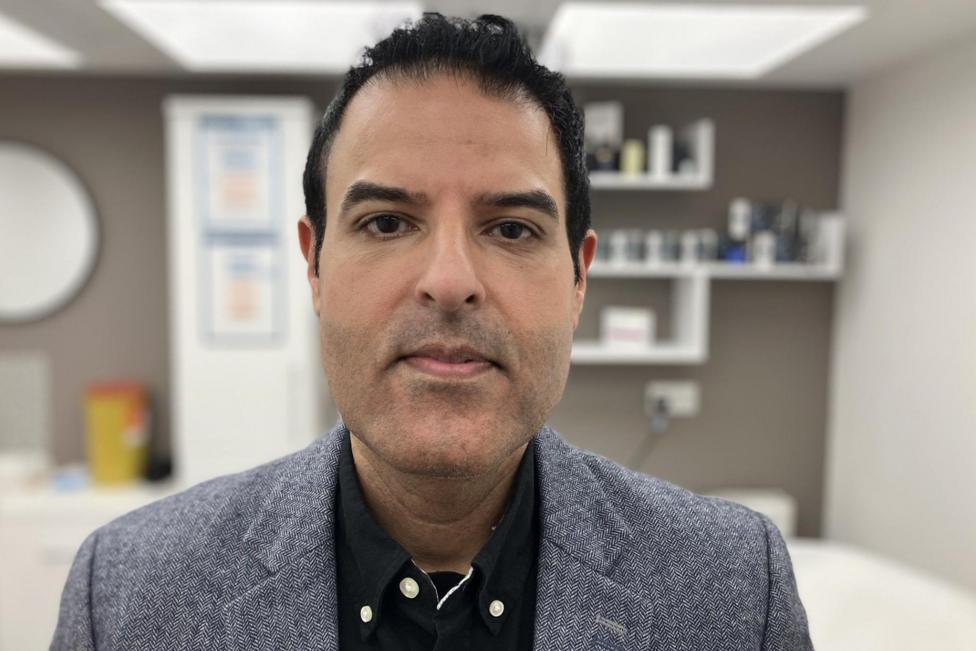
Hussain reports rising demand across a wide age range, having treated clients from their mid-twenties up to a 72-year-old patient. His process begins with a consultation covering the patient's health history, motivations, expectations and the associated risks, before the treatment itself is administered by injecting hyaluronic acid at three points along the penis — the top and both sides — delivered via a cannula inserted at the base and guided along the length of the shaft.
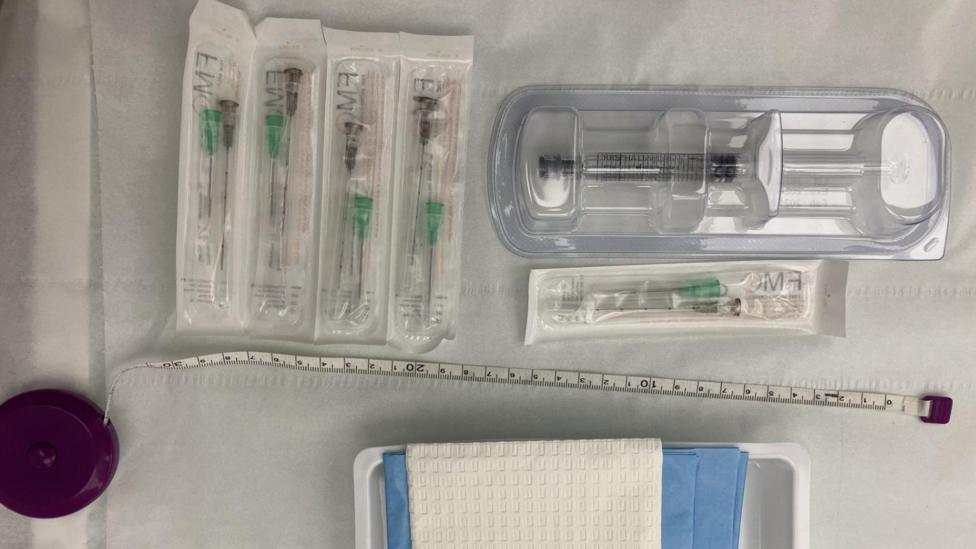
After injection, the filler is massaged to achieve an even distribution, a step patients are told to continue themselves at home. Hussain says the treatment, which can cost as much as £3,500, typically delivers a 10% to 20% increase in girth lasting between six and nine months, though separate clinic guidance reviewed for this piece suggests temporary filler results more broadly can last between 12 and 24 months, meaning many patients ultimately require repeat treatments over time, according to clinic guidance published in 2026.
What risks are involved?
The potential complications range from relatively minor issues such as soreness, bruising and uneven filler distribution to more serious problems including infection — risks common to most filler-based procedures. Because of the penis's dense network of blood vessels and structures needed for erectile function, however, there is an added danger of damaging tissue essential to sexual performance.
A 2021 study following 230 patients found an overall complication rate of 4.3% after injectable filler treatment for penile augmentation, with subcutaneous bleeding, nodules and infection identified as the most frequent issues, according to a 2021 clinical study. A more recent 2025 review similarly identified filler migration and the formation of nodules under the skin as leading complications of hyaluronic-acid based augmentation, alongside self-limited bleeding and infection, according to a 2025 review published in Urology News.
Asked why he continues to offer a treatment that has alarmed some surgeons, Hussain acknowledged the concern but defended the growing evidence base supporting it.
It comes from the right place, that nervousness, but at the same time, more and more evidence is growing and we're getting the results — there is a benefit to men.
Hussain says he maintains an "immediate action plan" that includes medication capable of rapidly dissolving filler should something go wrong, adding that he has never had to use it — a claim that could not be independently verified. He did, however, recall treating one man who came to him for help after a procedure performed elsewhere had gone badly wrong, describing how the wrong type of filler had damaged blood vessels in the penis to the point that the shaft began turning black.
The shaft of the penis was starting to become black.
That patient was sent directly to A&E.
What happens when these procedures go wrong?
Prof Vaibhav Modgil, an andrologist and consultant urological surgeon working for the NHS in Manchester, has treated men who have suffered severe complications following botched penis-enhancement procedures.
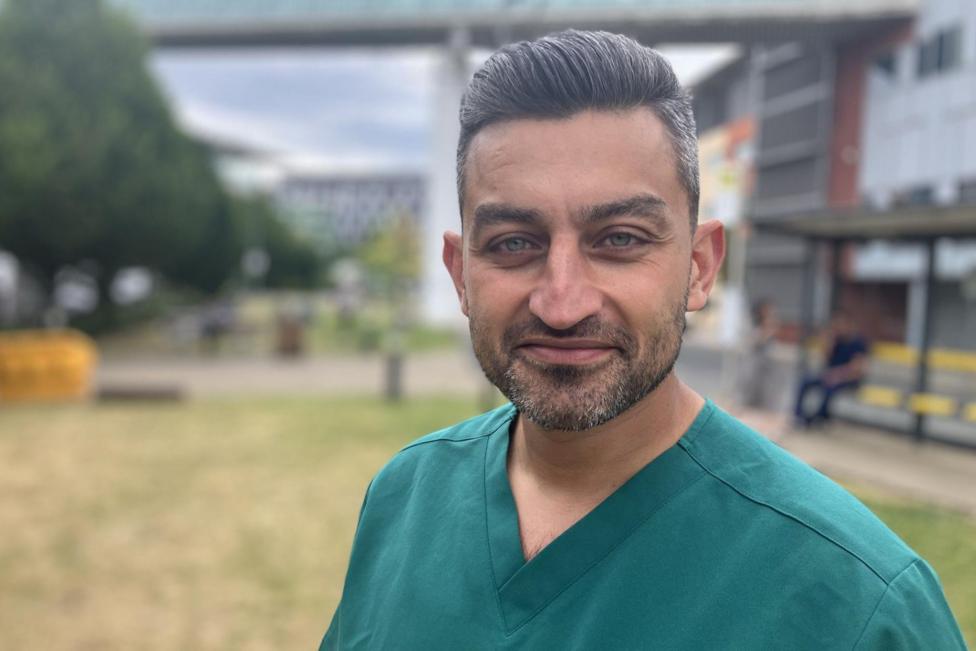
When it does happen, it can be devastating for the patient.
Modgil described cases involving tissue death caused by damage to blood supply.
Skin necrosis, where an area of the skin dies off, it turns very black and then it sort of sloughs off.
He noted the psychological toll this can take on patients who went in hoping for improvement.
So, men will go in thinking, 'Oh, it's gonna be brilliant', but they might come out actually being even more dissatisfied than when they went in.
A separate case involved a patient identified only as Alex, who travelled to Germany for a different type of penis-enhancement surgery involving cutting the ligament connecting the penis to the pubic bone to create the appearance of extra length, combined with fat harvested from his own body and injected into the penis to increase its size.
Alex said he woke from the procedure in severe pain and was unable to stand.
I sustained a lot of bruising and all my upper legs turned yellow. I couldn't walk properly for about a month.
He was later treated at Modgil's clinic, where he was eventually given the all-clear, though he acknowledged how differently things could have gone.
Many people do not get that luxury. I got off lucky.
Alex said he had never considered himself small before the procedure, but felt societal messaging and pornography had persuaded him that a larger penis represented masculinity and desirability.
Is there enough regulation and long-term data?

Despite the absence of official figures tracking how many of these procedures are performed, Modgil says trends in online searches, advertising and social media all suggest usage is increasing.
Points to the fact that the numbers are on the up.
In response, the British Association of Urological Surgeons has issued new guidance advising against these procedures altogether, after examining 36 studies covering a combined 3,750 men and concluding that the overall evidence base remains too weak to support their use.
The guidance that we've recently produced essentially says we cannot recommend that any of these procedures should take place because the evidence is so poor.
The review found it still is not clear what the long-term "safety profile" of these treatments looks like, a gap Modgil attributes partly to a lack of sustained follow-up data and partly to the fact that, much like lip fillers, no formal qualifications are required to perform the procedure.
Are permanent materials a bigger concern?
Separate international guidance has raised sharper concerns about non-absorbable materials used in some penile augmentation procedures. A 2024 position statement from a major sexual medicine society strongly discouraged the use of permanent substances such as silicone and paraffin, citing severe long-term complications including tissue necrosis and lasting deformity, according to a 2024 position statement. A 2025 narrative review similarly found that silicone implants used for penile augmentation can lead to infection, tissue erosion, fluid build-up and necrosis, with removal rates reaching as high as 10%, according to a 2025 narrative review. That same review frames complications from penile augmentation as a wider safety concern spanning injectables, implants and surgical grafts, noting that some techniques have been linked to tissue loss requiring major reconstructive surgery.
Modgil says an outright ban on these procedures would likely be "probably too severe", but argues that if they are to continue being offered, the industry urgently needs proper oversight.
Massively needs regulation.
He is calling for the creation of a national registry to log every penile filler procedure performed, alongside long-term data collection so that men can weigh the real risks and benefits before proceeding.
Back in Manchester, Jason says he remains satisfied with his results and expects to repeat the treatment once his current filler naturally dissolves.
Key Facts
- Jason's treatment increased his penis girth by 16% and lasted several months before requiring repeat treatment.
- Dr Javed Hussain reports treatments cost up to £3,500 and typically add 10–20% girth for six to nine months.
- A 2021 study of 230 patients found a 4.3% complication rate from injectable penile filler.
- The British Association of Urological Surgeons reviewed 36 studies covering 3,750 men and advises against the procedures due to poor evidence.
- International guidance strongly discourages permanent fillers like silicone due to risks including necrosis and removal rates up to 10%.