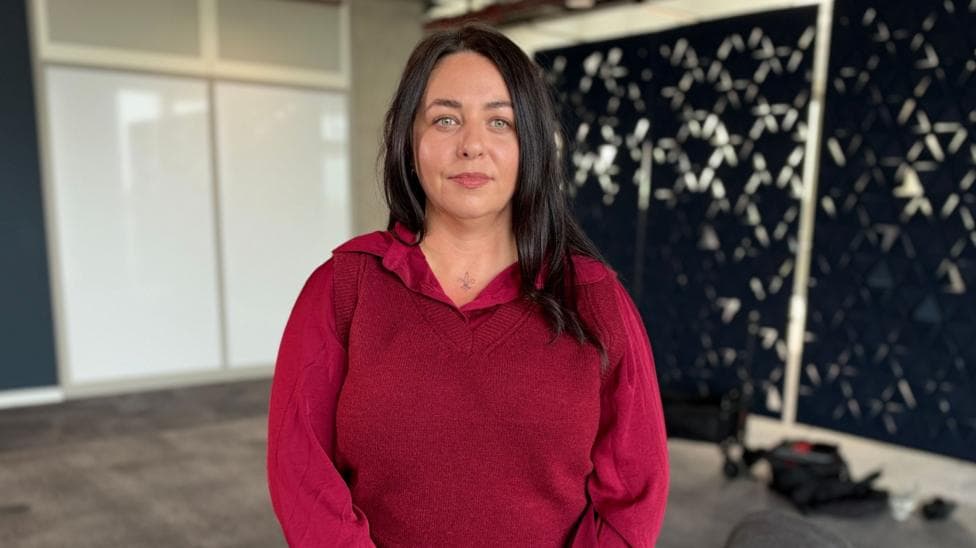
Hollie Sharman believed she was facing a life-threatening illness. She attended hospital "four to five times a week" with severe chest pain that left her convinced something was seriously wrong. According to BBC News, the 25-year-old spent up to 13 hours at a time in accident and emergency departments, yet every medical test came back normal.
Sharman's struggle with health anxiety began in childhood, when she would fabricate reasons to leave school and return home. By her 22nd birthday, the condition had intensified so severely that she experienced a debilitating panic attack during a restaurant meal. This episode triggered years of compulsive symptom-checking, social isolation, and repeated hospital visits—a cycle that would dominate her life until she received a proper diagnosis.
The Symptom-Searching Trap
Sharman's days became consumed by searching for answers online.
"I was constantly Googling and using ChatGPT, every source I could get that could tell me what was wrong,"she explains. The pattern became self-perpetuating: doctors would reassure her that nothing was medically wrong, she would return home, notice a new physical sensation, search for its meaning, discover alarming possibilities, and rush back to hospital.
At its worst, Sharman withdrew completely from her social circle, avoiding messages from family members because she could not face repeating the same conversations about her symptoms. The condition also strained her romantic relationship.
"It got to the point that nothing he said would be the right thing. I would get upset because he didn't understand what was going on inside my own head. How can you tell someone everything's fine when I think I'm actually dying?"
What Is Health Anxiety?
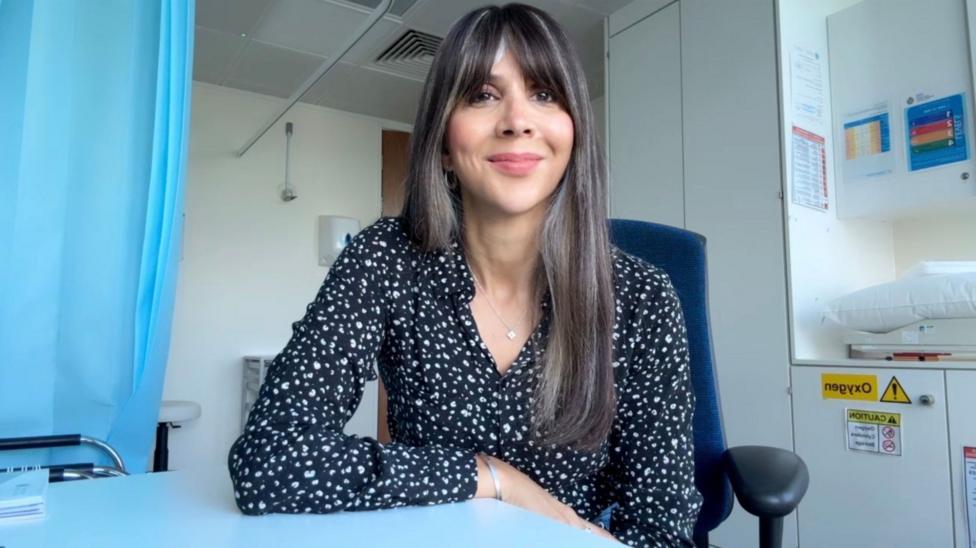
Clinical psychologist Dr Kirren Schnack defines health anxiety as "a constant worry about being seriously ill or becoming seriously ill when you are not". The condition manifests through several recognisable patterns of behaviour and thinking.
Checking behaviours are among the most common signs. These include repeatedly examining your body, monitoring your temperature or blood pressure, and researching symptoms online. People with health anxiety also frequently seek reassurance from the internet, friends, or family members about their health status. Some individuals develop avoidance patterns, refusing to look at their body or attend medical appointments because they fear receiving bad news.
Another manifestation involves adopting the identity of someone with an illness.
"You may slow down your movements and stop exercising, you're treating yourself and your body and mind as if you are already ill,"Dr Schnack notes. This self-imposed restriction can deepen the cycle of anxiety and reinforce the false belief that something is medically wrong.
Research indicates that health anxiety is more prevalent than many people realise. A Scottish NHS evidence review reports that estimates vary significantly depending on the population studied: one Australian survey found 5.7% lifetime prevalence and 3.4% at the time of interview, while rates among medical outpatients can reach 20%.
Treatment and Recovery
Sharman was eventually diagnosed with health anxiety and health-related obsessive compulsive disorder (OCD). With support from her family and partner, she began learning practical techniques to manage her condition. One strategy involved documenting her symptoms and her actual health status at the end of each day.
"I'd write down my symptoms like 'chest pain, excruciating'. And then at the end of the day, I'd write that I was fine. And then next time I'd have it, I'd have something to read and I'd be like, but I thought I was dying then and I wasn't."
Cognitive behavioural therapy (CBT) has demonstrated lasting effectiveness for health anxiety. A five-year follow-up of the NIHR-funded CHAMP trial found that CBT for health anxiety continued to show benefits compared with standard care, with participants receiving an average of six sessions.
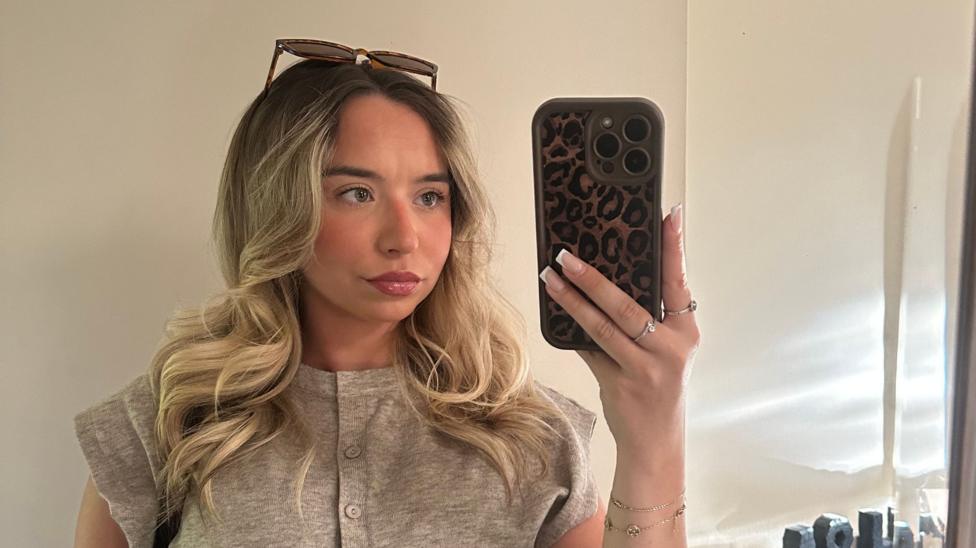
Sharman credits her parents and partner with helping her reach a better place. She now uses her experience to educate others, creating content about health anxiety on social media.
"You need to push yourself and do things when you're anxious, don't put your life on hold because I did for so many years."She reports that health anxiety no longer controls her life.
Practical Steps to Manage Health Anxiety
Dr Schnack emphasizes that seeking medical advice for new or persistent symptoms is responsible health behaviour. If a symptom has not resolved within two weeks, she recommends scheduling a GP appointment. However, she also offers several evidence-based techniques to manage anxiety when it arises:
Challenge worst-case thinking: Provide your brain with alternative explanations for physical sensations. A stiff back might result from poor posture rather than a serious illness.
Limit reassurance-seeking: Establish clear rules and time limits on how often you ask friends or family members about your symptoms, and maintain those boundaries consistently.
Burn off anxious energy: Engage in quick bursts of movement, such as jumping jacks, to help your body process adrenaline and cortisol.
Ground yourself: Use strong sensory experiences such as holding an ice cube or tasting something sour or spicy to anchor yourself in the present moment.
Breathing techniques: Inhale slowly through your nose, add a second breath at the top, and release it with a long sigh through your mouth.
Getting Professional Support
NHS England lists health anxiety among the conditions treated by NHS Talking Therapies, which offers free services to adults who self-refer. These services provide structured psychological support delivered by trained therapists, making professional treatment accessible without cost to those who need it.