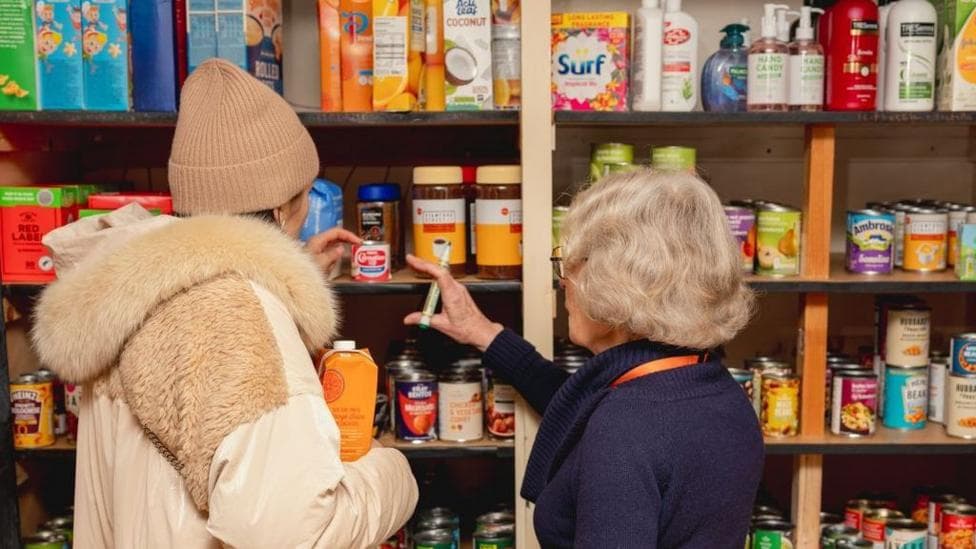
Welsh local authorities are to receive £4.8 million in emergency funding to help people struggling with rising living costs, with rural councils receiving additional resources to offset the challenges of serving dispersed populations.
The Welsh government allocation will be distributed among all 22 local authorities, enabling them to channel money through community organisations including food banks, lunch clubs and advice services. Deputy First Minister Sioned Williams highlighted that families face a difficult winter ahead as fuel and energy costs continue to climb, stating the government is
targeting support where it's needed most.
This latest intervention builds on earlier commitments made during 2026. According to the Welsh Government, an additional £1 million had already been confirmed for community food organisations and food banks earlier in the year, bringing the total emergency food-aid investment to £3.44 million by March 2026. A Welsh Government written statement issued on 18 March 2026 reiterated this commitment to supporting families facing food poverty.
Reform UK Wales welcomed the funding announcement but argued the government could implement more comprehensive measures to assist vulnerable households.
Why are fuel and energy costs rising?
Geopolitical tensions and supply constraints have driven recent fuel price increases. The ongoing conflict between the US and Iran, combined with pressures on oil production in Saudi Arabia, have caused petrol and diesel prices to spike in recent weeks. According to the Office for National Statistics, motor fuel prices rose by 23% in the year to August, contributing to UK inflation reaching its highest level in five months during that period.
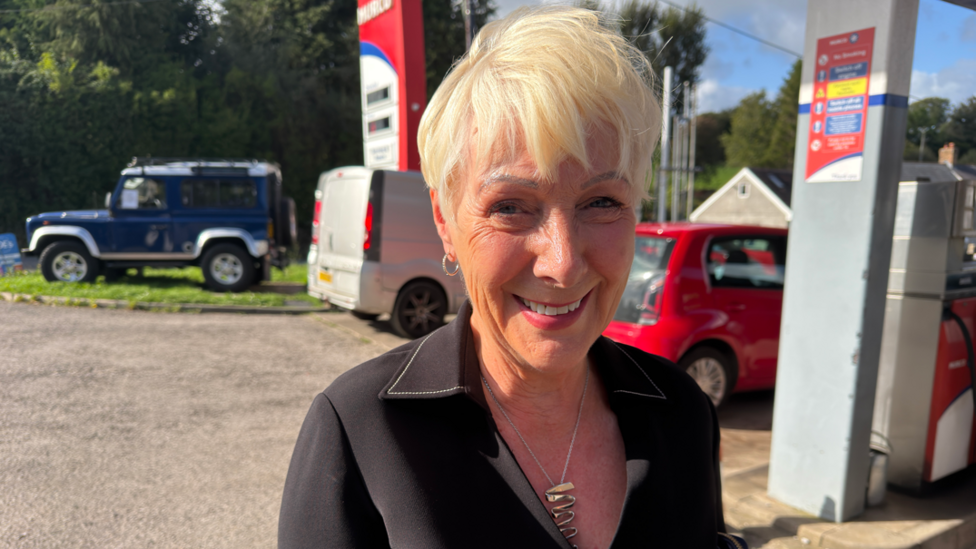
In Ystradowen, Vale of Glamorgan, motorists expressed concern about further increases. Ron Jones from Cowbridge acknowledged that higher prices were
to be expected, given the world as it is, though he reported driving less frequently. Joy Thomas described prices as
extraordinarily highand said she had actively searched for cheaper fuel stations. Lewis Wall, 28, from Ystradowen, called the prices
ridiculous, adding
But what can we do about it? You can't control the price and everyone needs fuel.
How are community organisations responding to food poverty?
Grassroots projects are playing an increasingly vital role in addressing food insecurity across Wales. Down To Zero, based near Llantrisant in Rhondda Cynon Taf, grows organic vegetables on allotments and distributes free boxes to low-income families while offering discounted subscriptions to other households in the county. The project is operated by Cynon Taf, a social housing provider.

Gareth Banks, who has volunteered with Down To Zero for two years, emphasised the value the organisation provides.
We can offer really good value, organically grown, fruit and vegetables to local people who might not always be able to afford that kind of thing,he said.

Angharad Rogers, Cynon Taf's director of housing and communities, highlighted a troubling shift in who is seeking food assistance.
We've seen quite a shift lately in the people... who are most in need and accessing food banks,she explained.
Families with incomes coming into the household are still not able pay for food and things like that, so we're seeing a lot families coming to us and asking for help.This pattern reflects a broader trend where employment alone no longer guarantees food security for many Welsh households.

What support is available to households?
Multiple avenues exist for people struggling with bills and food costs. According to UK government guidance updated on 13 September 2026, councils in Wales may offer assistance through the Discretionary Assistance Fund for essential costs including food and heating. The Welsh Government's cost-of-living support page, updated on 1 September 2026, continues to direct people to help for unexpected costs.
Residents can contact advicelink Cymru for free, impartial advice on debt and benefits, or approach their local council to determine eligibility for emergency assistance. Those on prepayment meters who cannot afford fuel may seek help from the Fuel Bank Foundation. Low-income households may also reduce their council tax through the council tax reduction scheme.
What policy changes are being called for?
Deputy First Minister Williams called on the UK government to introduce social tariffs—cheaper energy prices specifically for low-income households—as a means of delivering meaningful relief.
Social tariffs on energy is one of the main things I think that could really make a difference to people,she said. She also acknowledged that
we need to see wider measures and many of those leavers reside in Westminster.
The UK government responded by highlighting its own measures, stating:
We have cut VAT on electricity bills from October, on top of the £150 we removed from bills earlier this year, and we will keep looking at what more we can do to protect families from unaffordable bills.
Reform UK Wales stated that cost-of-living support
should be welcomed if delivered in the right way, but contended that the Plaid Cymru government
could be doing moreif it did not
waste moneyon projects such as its tree-planting initiative in Uganda, a long-running climate resilience program.
Key Facts
- Welsh councils will receive £4.8 million in emergency food aid funding, with rural authorities receiving additional resources
- Motor fuel prices rose 23% year-on-year to August, driven by geopolitical tensions and oil supply constraints
- Food poverty is increasingly affecting working families, not just those without employment
- Multiple support schemes exist, including the Discretionary Assistance Fund and council tax reduction schemes
- The Welsh Government has invested £3.44 million in emergency food aid by March 2026, with this latest allocation representing a continued commitment