Parents of children with allergies are pressing the Welsh government to introduce a "life-saving" legal framework requiring allergy awareness training across all schools, arguing that young people in Wales face heightened dangers compared to their counterparts in England.
The first phase of Benedict's Law, which mandates that schools in England follow strengthened allergy protocols and maintain adrenaline auto-injectors on premises, took effect on 1 September 2026. According to the government's statutory guidance, state-funded English schools must now store life-saving allergy pens, establish a whole-school allergy policy, deliver training to all staff members, and ensure individual healthcare plans exist for pupils with allergies. The guidance also requires schools to maintain a published allergy safety policy and review it at least annually.
However, the legislation does not extend to Wales, and campaigners have expressed concern that children there "should not be put more at risk" than their peers across the border.
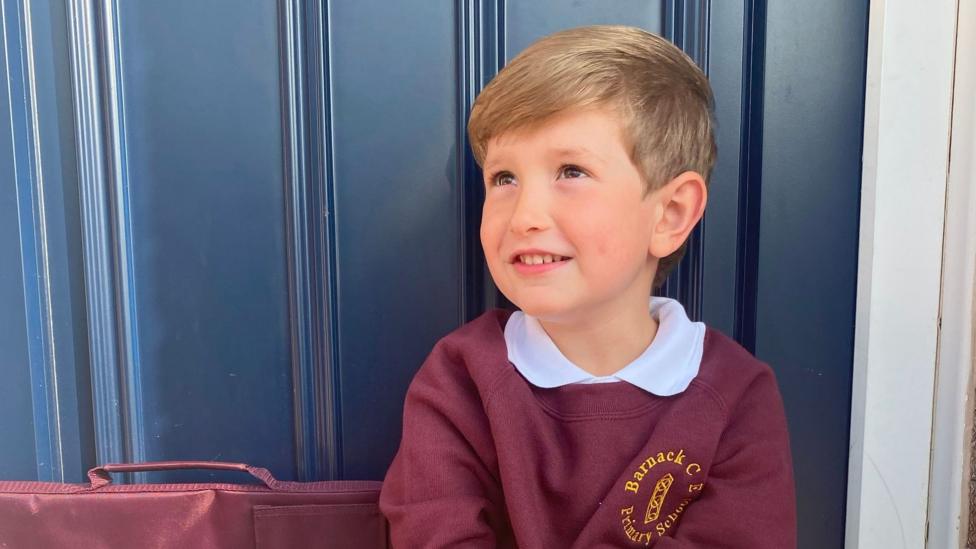
Benedict's Law carries the name of Benedict Blythe, who died at age five following accidental exposure to cow's milk protein while attending school in Lincolnshire in December 2021. His mother, Helen Blythe, launched a campaign to strengthen protections in English schools so they could better manage severe allergic reactions.
"There is no good reason why children in Wales should be put more at risk than children across the border,"Blythe stated.
The Welsh government indicated it was examining "existing statutory guidance" for schools and would "consider Benedict's Law to inform future policy in Wales". Yet parents and campaigners contend that without mandatory requirements, protection remains inconsistent and dependent on individual school initiative rather than legal obligation.
How widespread are childhood allergies?
Approximately 40% of children across the UK have a diagnosed allergy, according to the charity AllergyUK, making allergy management a significant concern for schools and families nationwide.
What challenges do Welsh families currently face?
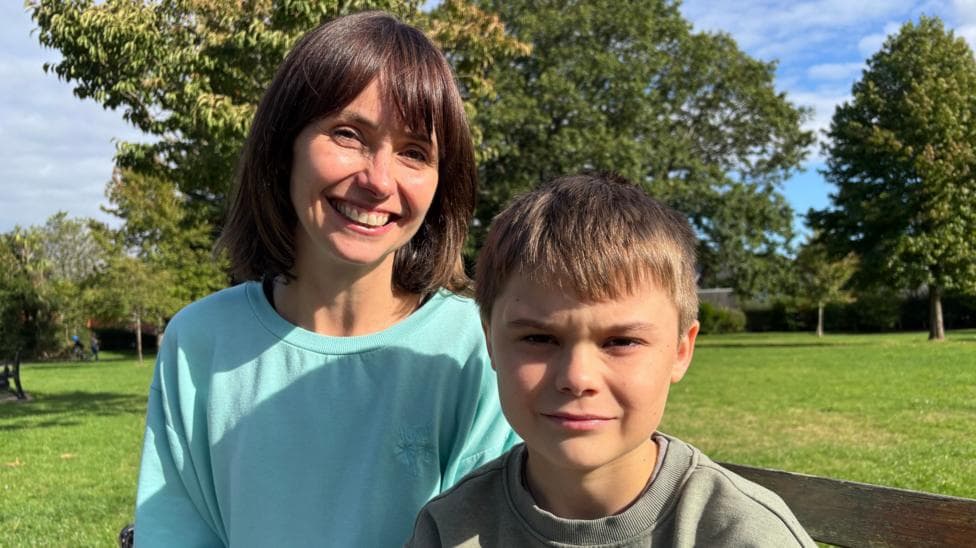
Katie Hutt, a mother from Cardiff, explained that without Benedict's Law in Wales, responsibility falls entirely on parents and individual schools to establish appropriate safeguards. Her son, Yan, has more than 20 extreme allergies, some of which are airborne and potentially life-threatening.
Hutt described meeting with Yan's school two years before his admission and discovering it was unprepared to handle severe allergies. Through collaboration with a dedicated staff member, they managed to secure necessary adjustments, though the process demanded considerable effort.
"We don't have Benedict's Law in Wales, so it's down to the parents and the individual schools."
She emphasised that straightforward measures—opening windows, washing hands, and avoiding certain materials in craft activities—could significantly reduce risk.
"Allergy awareness training and storing allergy pens should be an 'absolute minimum' in schools,"Hutt added, noting that such provisions would offer children, parents and teachers "peace of mind".

Yan, now 10, observed that his classmates were "very protective" of him given the severity of his condition.
"Unless you live it day in, day out, or you've seen a child not be able to breathe from a tiny amount of food, it doesn't really make sense."

What do other families report about school preparedness?
Stephanie Hulme, mother of William, a 14-year-old allergic to certain seeds and nuts, has previously spoken to schoolchildren about allergies and appropriate responses to severe reactions. When William began primary school, Hulme personally funded staff training to ensure they understood the severity of his condition.
"Thankfully the school we chose for William was wonderful. It was a small school and there was always open communication between us and the teachers, but it was a learning curve on both sides."
"It was a really hefty cost but it was the only way to really get the message across of the severity of William's allergies,"Hulme explained. She stressed the critical importance of rapid intervention:
"Time is of the essence and it can be a matter of minutes for a child with severe allergies and if they don't get the right treatment at the right time, as we've come to learn, the consequences can be dire."
Are any Welsh schools taking proactive steps?
Some Welsh schools have demonstrated commitment to allergy safety without waiting for legal requirements. Saint Michael's Catholic Primary School in Treforest, Rhondda Cynon Taf, has implemented comprehensive measures. Executive headteacher Joanna Taylor, who has severe allergies herself, said this personal experience helped her empathise with concerned parents.
"Unless you have a child in your school with allergies, it's not something you think you have to deal with, because we as educators have so many things we have to manage that have come from the child's home, but of course it's very important."
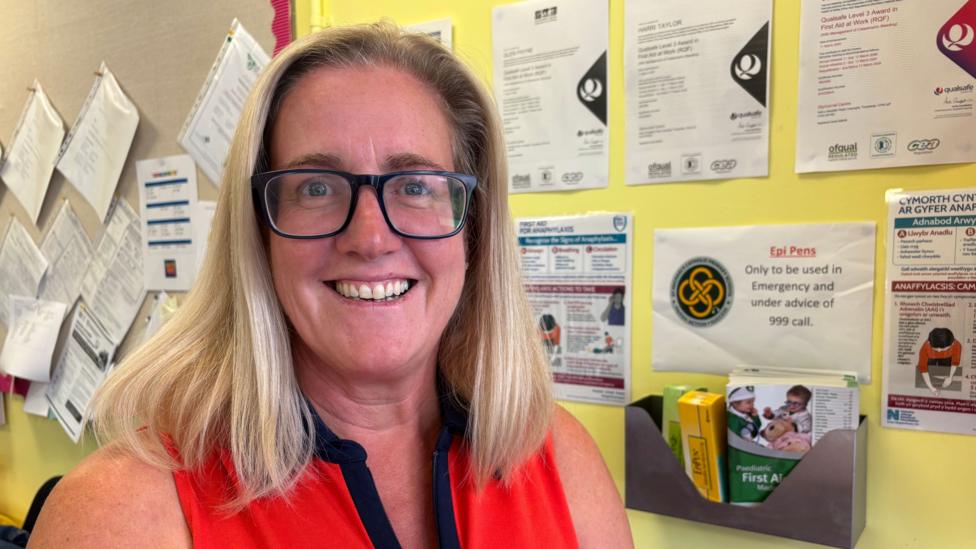
The school organises allergy awareness days so other pupils understand what living with allergies involves.
"We worked very closely with the Natasha Foundation. From there we've reviewed all our policies and procedures so they're where they should be."Taylor said.
What is the current legal position in Wales?
The Welsh government stated that schools in Wales are subject to legal requirements covering record keeping, storage and administration of medicines, emergency procedures and staff training to support children with healthcare needs including allergies. However, campaigners argue that knowledge and up-to-date allergy training varies significantly across the country, with no consistent national standard.
The Welsh government reiterated that it was "important that all learners living with allergies are supported" and confirmed it was "currently reviewing the existing statutory guidance and will consider Benedict's Law to inform future policy in Wales."
What happens next in England and Wales?
In England, the new allergy-safety rules came into force in September 2026, with children starting school that month representing the first cohort to benefit from the strengthened safeguarding framework. According to the government's school food standards allergy guide published on 14 September 2026, schools now have practical support material to implement these protections effectively.
From 2027, the same measures are expected to become statutory duties applying more broadly across different school types in England. Welsh ministers remain in the review phase and have not yet committed to adopting equivalent legislation, leaving the status of allergy protection in Welsh schools uncertain.
Key Facts
- Around 40% of UK children have a diagnosed allergy, making school allergy management a widespread concern
- Benedict's Law requires English schools to store adrenaline auto-injectors, maintain allergy policies, train all staff, and create individual healthcare plans for allergic pupils
- Welsh schools currently lack equivalent mandatory requirements, with protection dependent on individual school initiative rather than legal obligation
- The Welsh government is reviewing existing guidance but has not yet committed to adopting Benedict's Law
- Some Welsh schools have voluntarily implemented comprehensive allergy protocols, demonstrating that proactive measures are possible without legal mandate