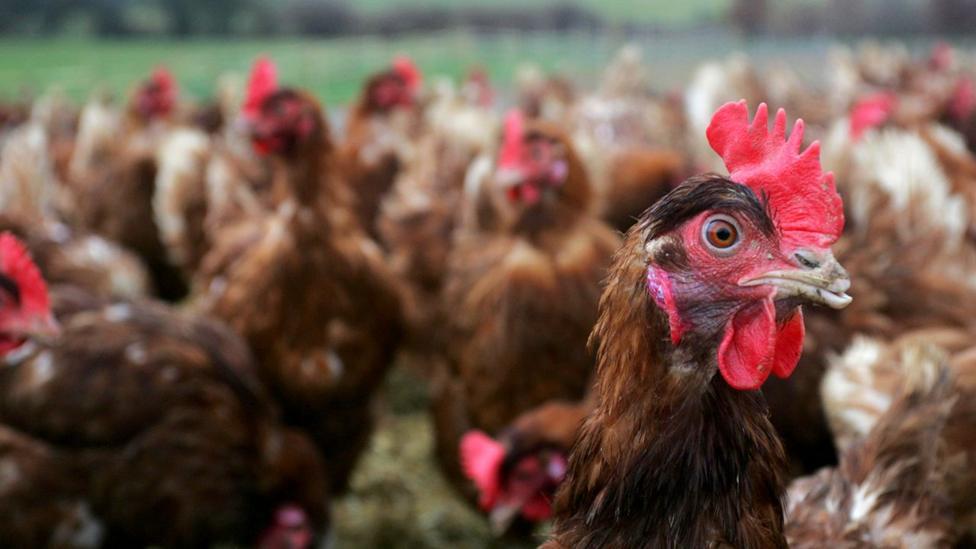
Wales has introduced mandatory biosecurity measures for poultry and captive bird keepers to combat the rising threat of avian influenza, following similar housing orders issued in England and Scotland earlier this week. The all-Wales Avian Influenza Prevention Zone, established by the Welsh Government, takes effect at noon on 16 November 2026 and will remain in force until risk levels fall sufficiently to warrant amendment or revocation. Although Wales has not yet recorded a confirmed outbreak this year, the number of cases across the border has escalated significantly in recent weeks, prompting authorities to act.
According to BBC News, the measures aim to reduce the risk of bird flu spreading from wild birds to domestic flocks. Llyr Gruffydd MS, the Welsh government's cabinet minister for rural resilience and sustainability, described the mandatory steps as proportionate to the current risk level in Wales, though he emphasised that the situation would continue to be monitored closely. The Welsh Government has confirmed that mandatory housing of flocks is not currently justified, and bird-gathering arrangements remain unchanged, though both will remain under review as circumstances develop.
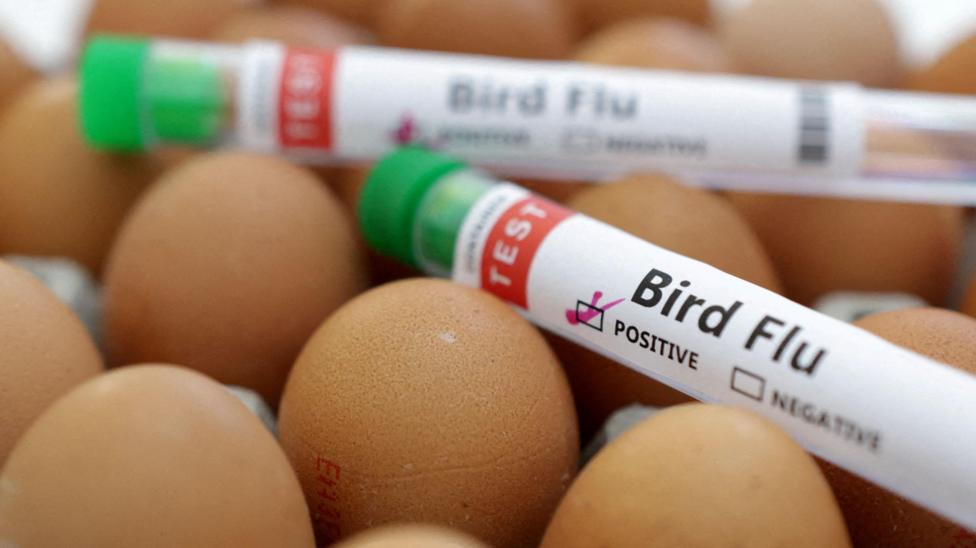
Avian flu is a virus that infects birds and occasionally other animals, including foxes, seals and otters. The UK Health Security Agency (UKHSA) and Food Standards Agency (FSA) have both stated that the risk to the general public is very low, and that properly-cooked poultry and eggs remain safe to eat. Scientists emphasise that transmission from birds to humans is rare.
The biosecurity requirements announced by the Welsh Government include ensuring that areas where birds are kept are made unattractive to wild birds, and feeding and watering flocks only in enclosed areas to discourage wild bird access. Keepers must minimise movement of people in and out of bird enclosures, clean and disinfect footwear regularly, and maintain clean and tidy living areas for their birds. Existing contamination must be reduced through cleansing and disinfecting concrete areas, and wet or boggy areas must be fenced off to prevent wild bird access.
Domestic ducks and geese must be kept separate from other poultry under the new rules. Wild game birds caught during the open season cannot be moved for a minimum of 21 days, subject to conditions within the declaration. All keepers must complete a mandatory biosecurity self-assessment checklist within seven days and maintain records in line with the declaration's conditions.
According to the Welsh Government's written statement, keepers with 500 or more birds must implement additional biosecurity measures beyond those required for smaller flocks. These include restricting access to non-essential people, changing clothing and footwear before entering enclosures, and cleaning and disinfecting vehicles. The declaration further requires approved disinfectant foot dips at strategic entry and exit points, or alternatively changed footwear and disposable overshoes. Feed, water and bedding must be stored undercover and protected from wild birds and rodents.
Any suspected cases of bird flu must be reported immediately to the Animal and Plant Health Agency (APHA). Poultry keepers have faced restrictions regularly since 2014 following the emergence of new devastating strains of the virus. In 2025, tens of thousands of chickens and turkeys were culled following a spate of cases in mid, west and north Wales.
The timing of these measures comes as many businesses prepare for the busy festive period. The UK government stated on Tuesday that it did not anticipate an impact on the availability of Christmas turkeys or other seasonal produce for consumers. Gruffydd reiterated that the risk to human health from avian influenza remains very low and that properly cooked poultry and poultry products, including eggs, remain safe to eat.
The introduction of stricter biosecurity rules in Wales follows confirmed outbreaks elsewhere in the UK. A Northumberland free-range egg farmer lost 32,000 birds to H5N1 bird flu in England's first confirmed outbreak this season, with losses exceeding £100,000. Additionally, a case of bird flu was confirmed on a property in Ness, Lewis, prompting authorities to establish a two-mile protection zone and six-mile surveillance zone.
Scientific assessment of bird flu control measures has informed the Welsh Government's approach. A UK scientific risk assessment indicates that housing poultry is estimated to reduce risk by approximately half, though it notes that nearby cases and expected wild-bird movement in coming weeks present ongoing challenges to disease prevention.
What happens next?
The Welsh Government has stated that the zone's requirements and other transmission-reduction measures will be kept under ongoing review as risk levels change. Keepers should monitor official guidance for any updates to the biosecurity requirements or changes to the prevention zone's status.