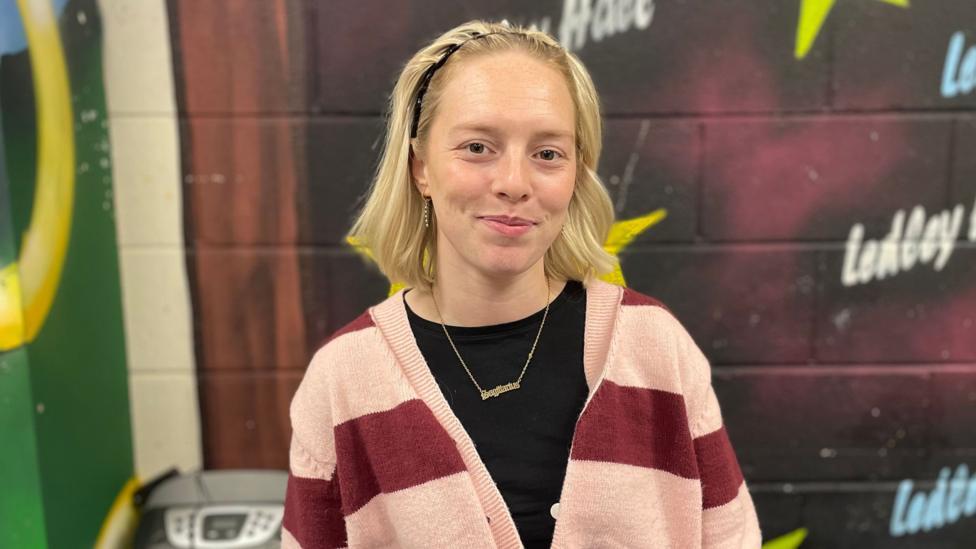
Charlie Clarke spent her teenage years hiding from classmates and concealing her chest beneath layers of clothing, struggling with a congenital condition that made her feel profoundly self-conscious. Now 26, she has lived with pectus excavatum—a chest wall deformity where the breastbone curves inward, creating a sunken appearance—for most of her life. According to BBC News, her emotional and physical journey has become a catalyst for raising awareness about a condition that affects one in every 200 people but remains poorly understood across the UK.
The psychological toll of her condition during adolescence was severe. Clarke avoided changing rooms during physical education lessons, hiding in school bathrooms to escape comments from peers. She wrapped her dressing gown tightly around her chest at home and kept the severity of her condition secret from her parents for years. "Having pectus excavatum, which is a disability and a deformity under my shirt, was at times hell," she said. The condition caused her to feel "awful" wearing her school uniform, both because of how she perceived herself and how others reacted to her appearance.

How does pectus excavatum affect the body?
Beyond cosmetic concerns, pectus excavatum compresses the heart and lungs, triggering breathlessness, elevated heart rate, and in Clarke's case, episodes of lost consciousness. The condition, also known as "funnel chest," manifests differently in each person but is typically most noticeable during childhood and teenage years. For Clarke, the physical consequences became undeniable as her organs were restricted by the inward curve of her breastbone.
Early diagnosis is crucial because younger patients with flexible chest walls can often avoid surgery through conservative treatments. However, Clarke was not diagnosed until age 23—too late for non-surgical options. She had previously been misdiagnosed, with healthcare providers attributing her symptoms to anxiety. The breakthrough came when a clinical technician performing a scan discovered her heart was so compressed it was invisible on imaging, leading to her eventual referral to a thoracic surgeon.

What changed when she met her surgeon?
Clarke's turning point arrived when she encountered Niall McGonigle, a Northern Ireland-based consultant thoracic surgeon who specialises in chest wall deformities. What distinguishes McGonigle is not only his expertise but his lived experience: he suffered from a pectus deformity himself as a child and underwent surgery at age 17. His personal journey through the condition and the bullying that accompanied it—being called "freak" and "mutant" at school—drove him away from sports and ultimately inspired his medical career. "It is what started my interest in medicine," McGonigle explained. "I was profoundly interested in surgery and specifically pectus."
McGonigle has become an advocate for recognising pectus excavatum as a serious medical condition rather than a cosmetic concern. He emphasises that substantial evidence demonstrates the condition restricts lung and heart function in ways that can be debilitating. "If this is diagnosed early, patients can be treated with non-surgical services," he noted. "But Northern Ireland doesn't provide this and our young people are having to go to England instead."

What is the current situation for patients in Northern Ireland?
Clarke is one of 85 people in Northern Ireland awaiting surgery for pectus conditions. While most have been on waiting lists for less than two years, five patients have endured waits exceeding five years. The Department of Health acknowledged that some patients "have endured lengthy waits," attributing delays to the volume of cases combined with competing demands on thoracic surgery services. However, the department stated it has secured additional funding to increase surgical capacity, resulting in more pectus procedures over the past three years, and has agreed to a further proposal intended to reduce both the number of waiting patients and the length of their waits.
McGonigle has pointed to inconsistent funding as a key factor undermining Northern Ireland's pectus surgery service. The limited availability of specialist care means patients must sometimes travel to England for treatment options unavailable locally. A British Association of Paediatric Surgeons guide published in October 2026 documents how pectus services and eligibility criteria vary significantly across Scotland, Wales and Northern Ireland, highlighting regional disparities in care access.
What treatment options exist?
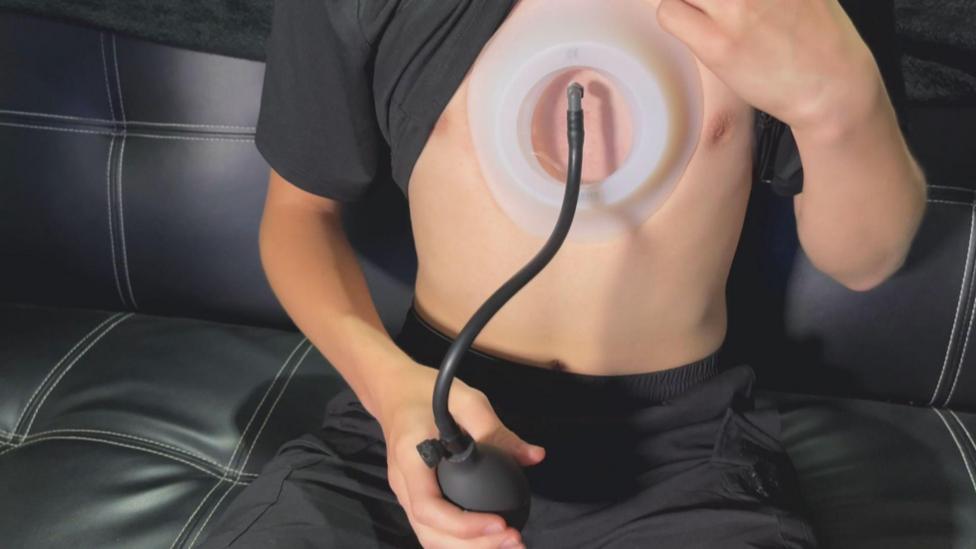
Pectus excavatum can be managed through several approaches depending on severity, patient age, and chest wall flexibility. Vacuum bell therapy uses a suction device placed over the sunken area to gradually lift the breastbone forward. This method works best in younger patients with flexible chest walls and relatively shallow deformities. Compression bracing involves a specially fitted brace and is most effective in teenagers, though its effectiveness diminishes once the chest becomes rigid in adulthood.
The Department of Health noted that work undertaken in 2023 led to commissioning a service for "non-surgical bracing of pectus carinatum," which it stated "can, in appropriately selected patients, negate the requirement for surgery." The department indicated it will evaluate the impact of this service, including its potential to free up surgical theatre capacity for conditions requiring operative intervention.
Clarke's own surgical plan involves placing two metal bars in her chest and a metal plate in her sternum, allowing her heart and lungs to return to their natural positions. This more invasive approach became necessary because her diagnosis came too late for conservative treatment options.
Why is awareness crucial?
Clarke is determined to raise awareness about pectus excavatum, particularly for younger people like her 11-year-old sister who may face similar challenges. "I don't want her to have to wait this long and for her life to be paused and for her condition to become life-threatening," Clarke said. Her advocacy reflects broader concerns about early detection and timely intervention.
On 22 October 2026, a Belfast pectus event brought together patients and healthcare professionals, where Clarke discussed her experience seeking advice and treatment in Northern Ireland. The event also featured Elizabeth Pollock, who underwent pectus surgery in Northern Ireland, and McGonigle discussing treatment access and available options. Simon Kendall of the charity Pectus Matters emphasised that early treatment delivers long-term savings for the health service. "If you get that treatment when the patient is young and chest wall is more flexible you can avoid the big operations in the future," Kendall explained.
Clarke's story underscores a critical gap in healthcare provision: the difference between recognising pectus excavatum as a serious medical condition requiring timely intervention and dismissing it as a cosmetic concern. Her visibility as an advocate, supported by a surgeon who understands her experience from his own past, may help ensure that others do not endure the years of invisibility and suffering she faced.