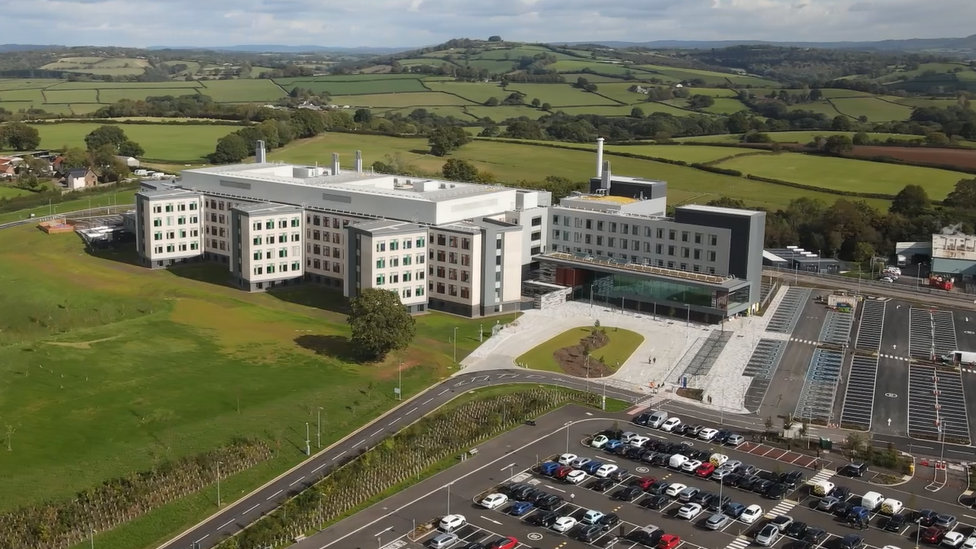
Senior leaders at Grange University Hospital in Cwmbran, Torfaen, are pushing back against widespread online criticism labelling the facility as dangerous and failing, insisting that safety data shows it performs among the best in Wales and the wider UK. Since opening in September 2020 during the early stages of the pandemic, the £350 million hospital has faced intense scrutiny over long patient delays, overcrowding, staff shortages and care quality concerns, yet hospital executives argue the evidence contradicts the negative narrative circulating on social media.
According to BBC News, the hospital's mortality rates are lower than comparable facilities across Wales when adjusted for population characteristics and case severity, and the proportion of patients dying in the emergency department remains below the Welsh average with sustained improvement over time. Hospital staff acknowledge feeling "devastated" by the reputational damage caused by patient confidence being undermined, yet they maintain the facility remains fundamentally safe and urge seriously unwell people not to avoid seeking treatment.
The Grange centralised specialist services including intensive care, surgery and emergency medicine from existing hospitals in Newport and Abergavenny, based on assumptions that community services would absorb the resulting demand. However, this model has created persistent bottlenecks, particularly in emergency care and patient discharge.
What happens during a typical day in A&E?
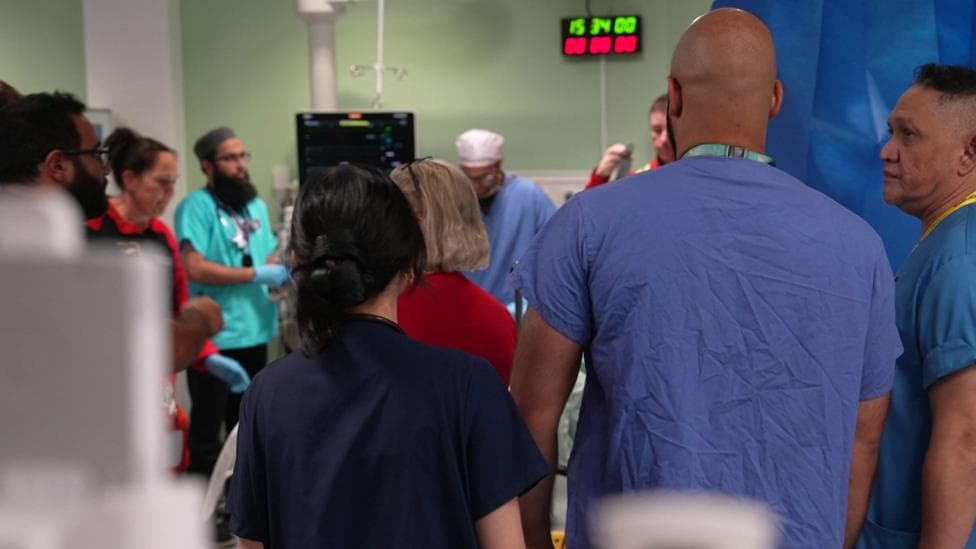
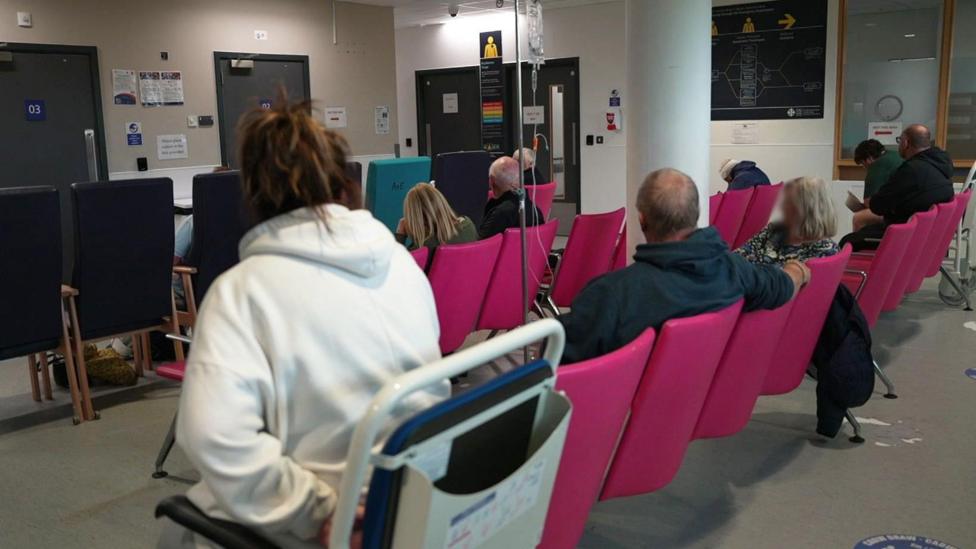
On the day of the BBC visit, the emergency department was operating significantly above capacity, with more than 90 patients present and the longest wait reaching approximately 18 hours. All eight beds in the resuscitation unit, reserved for the sickest patients, were already occupied when a "red call" announcement indicated another life-threatening case was arriving by ambulance within five minutes.
Dr Zoe Morgan-Pittard, working in the department, described the impossible choices staff face daily.
We're currently over capacity. We've had to move three patients already who probably aren't well enough. But the sickest patients have to take priority - we're having to make fluid decisions. We're putting patients in any extra space we can find... but there's a lot of block and very little flow. Everybody is working hard, but unfortunately the hospital isn't big enough.
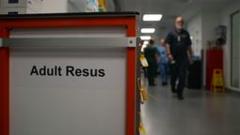
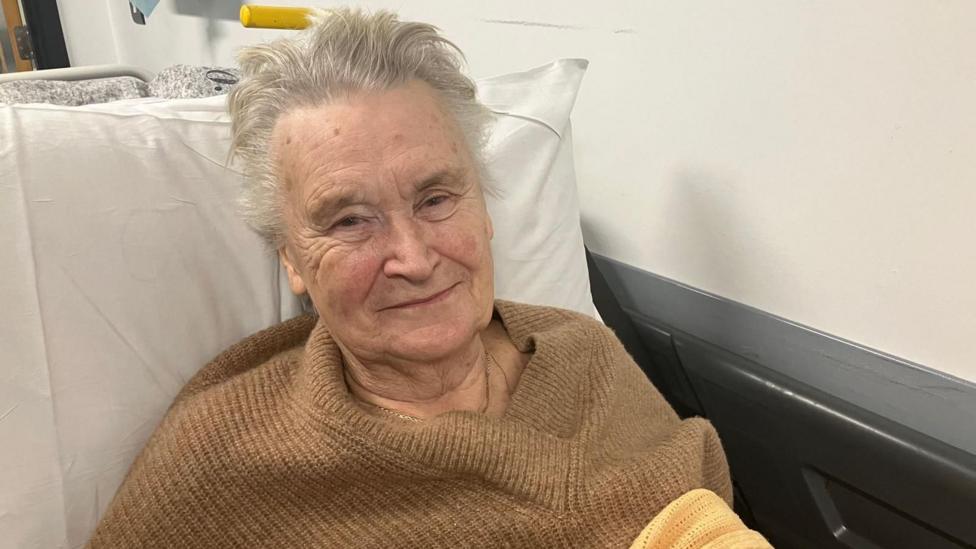
To manage the overflow, staff place less critically ill patients in makeshift spaces behind cubicles at the rear of the emergency department. Margaret Giles, 84, from Croesyceiliog, spent nine hours on a trolley in one such location after slipping and injuring her hip while accompanying her granddaughter whose husband was experiencing a serious medical emergency.
It's not satisfactory – but needs must,she said of the arrangement.
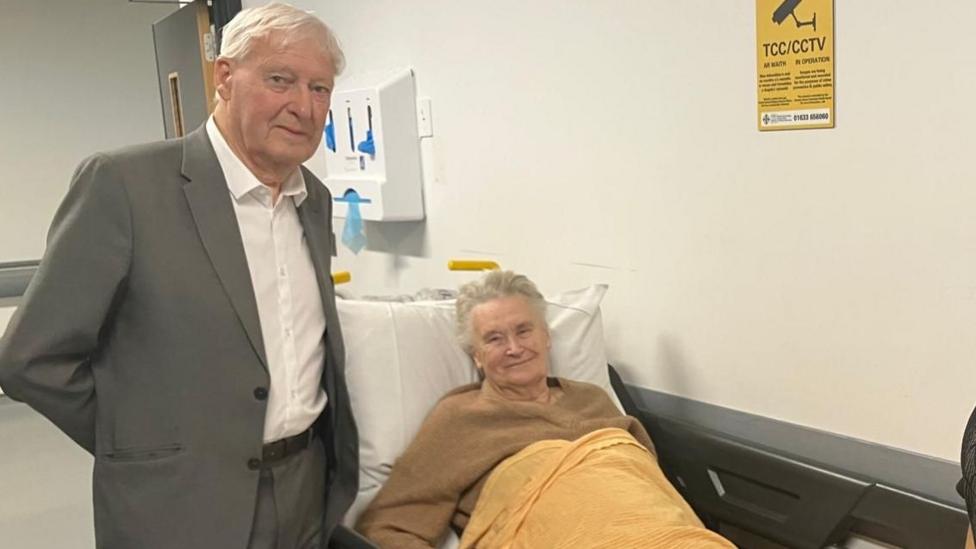
Her husband Alan was frustrated by the experience, particularly when staff questioned whether his wife could walk to the toilet despite her suspected broken hip.
I don't think it's the staff, it's the system,he observed. X-rays later confirmed her hip was not fractured, allowing her to return home, but both expressed hope they would never need to return to the hospital.
How are ambulance handover times improving?
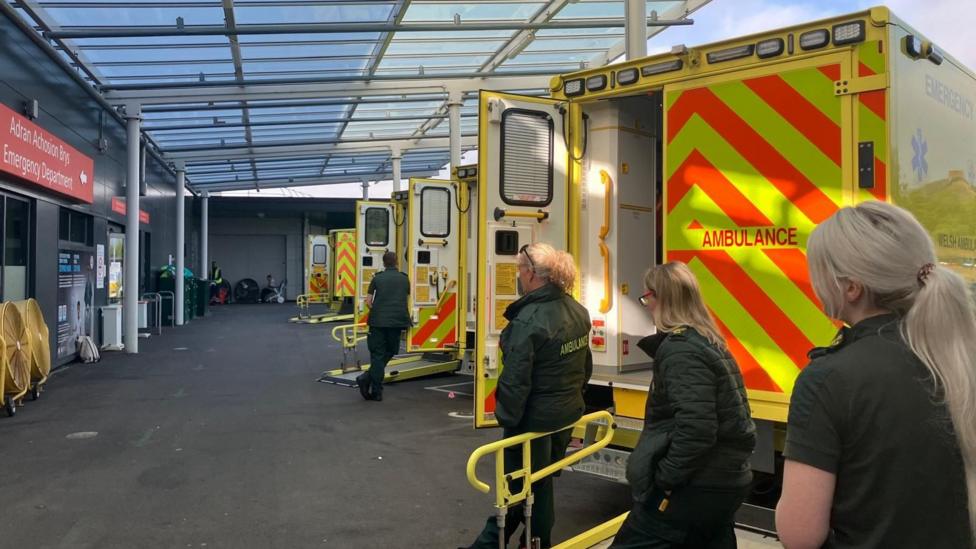
One significant driver of emergency department overcrowding is the time ambulance crews spend waiting to hand over patients. Previously, crews could spend entire 12-hour shifts waiting; the new target is 45 minutes. On the day of the BBC visit, 33 percent of ambulances were released within this timeframe, though the previous 30-day average stood at 67 percent—a substantial improvement from earlier performance.
Darren Panniers of the Welsh Ambulance Service credited the improvements with enabling faster community response.
We've seen a vast improvement. We are responding to patients quicker in the community, particularly around calls which involve stroke and heart attacks.
To accelerate patient flow, surgical teams now visit the emergency department to identify patients suitable for faster treatment pathways, while urgent cases requiring same-day care are directed to alternative departments. The most persistent challenge, however, has been delays in discharging patients who have completed their treatment.
What role does the Transfer Lounge play?
The hospital has constructed a portacabin facility called the Transfer Lounge, equipped with 10 beds and 15 chairs, where patients awaiting discharge or transfer to community care or other hospitals can be washed, fed and cared for in a quieter, more comfortable environment than a standard ward. Senior nurse Sian Williams explained the impact:
It allows us to free up beds quickly and it's somewhere quieter more comfortable for patients to wait. I always say even one bed makes all the difference to the ambulances outside.
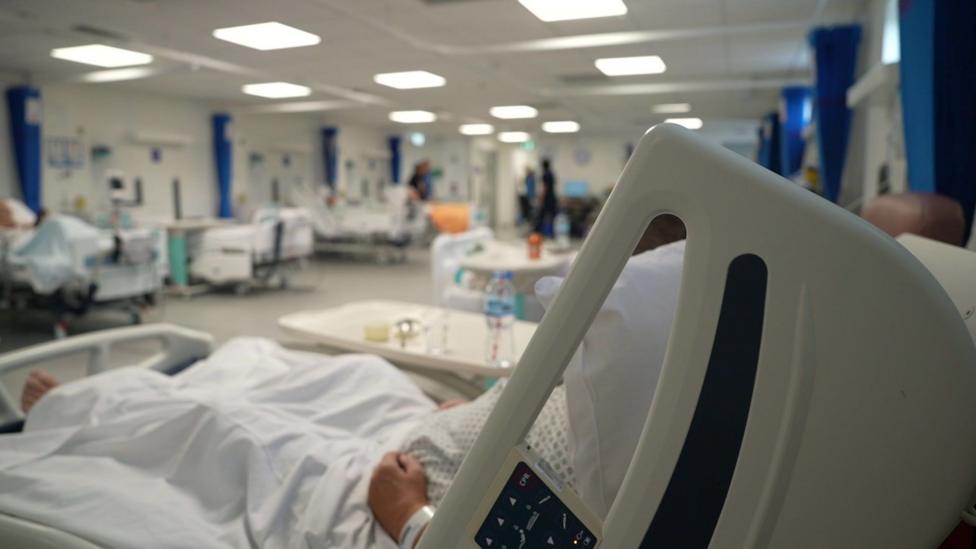
Staff also coordinate with families and social services to expedite discharge processes, recognising that every freed bed directly reduces pressure on emergency services outside.
Why was the hospital designed this way?
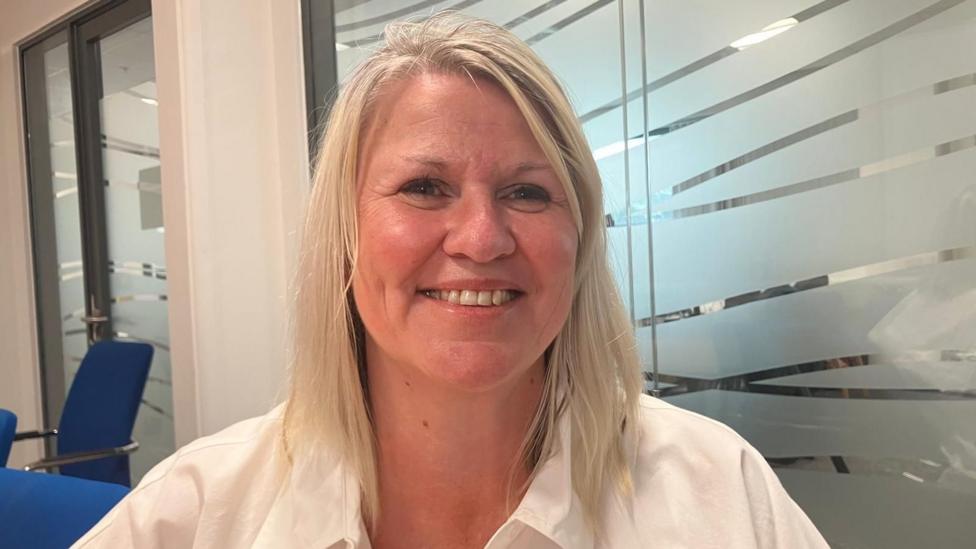
Chief Operating Officer Leanne Watkins defended the centralisation model, arguing that consolidating fragile services spread across multiple locations was essential for patient safety.
Bringing our teams together - for example, in paediatrics and obs and gynae we had very fragile services spread across the system, and when you think of the risk that are contained in maternity services, for example, in paediatrics, that's enormous. So, I think we would have really struggled without [the Grange]. I think we could have benefited from some additional beds.
Despite these operational improvements, Aneurin Bevan University Health Board remains in level four escalation—the second highest tier of Welsh government oversight—due to concerns about urgent and emergency care performance.
What do the safety statistics actually show?
Hospital leadership emphasises that mortality data contradicts the negative social media narrative. Watkins stated:
We have amongst the best mortality rates in Wales, and in fact, for some procedures, things like fractured neck or femur (hip) and emergency surgery, we we rate right up there with the best in the UK. If you're unwell, critically unwell, it is a great place to be.
The health board's own figures indicate death rates at the Grange are lower than similar Welsh hospitals when adjusted for patient population and case severity. The proportion of emergency department deaths remains below the Welsh average and has demonstrated consistent improvement.
However, independent patient advocacy remains mixed. Llais, the patient watchdog for Wales, reported continuing to hear accounts of long waits, poor communication updates and discharge difficulties at the Grange on 29 July 2026, despite acknowledging some improvements. The organisation's 2025 national report, drawing on experiences from more than 700 people, identified emergency care concerns including overcrowding, poor communication, and lack of comfort and dignity as systemic issues. Llais linked these pressures to wider problems including delayed hospital discharges, limited community support and poor coordination between services.
Dr Seema Srivastava, a senior clinician, urged the public to examine the evidence rather than social media commentary.
I just encourage people to look at the facts. I know sometimes it's really hard, especially on social media that people can get messages that can make them feel low in confidence [but] please come and talk to us.
Deputy head of nursing Lorna Lear acknowledged the emotional toll of negative headlines on staff.
It makes me sad. Obviously, sometimes there are instances where the care is less than what we expect. But we always listen to the feedback... and we always want to improve our services and give our patients the best possible care. So when we do see those negative headlines, it can be quite upsetting.
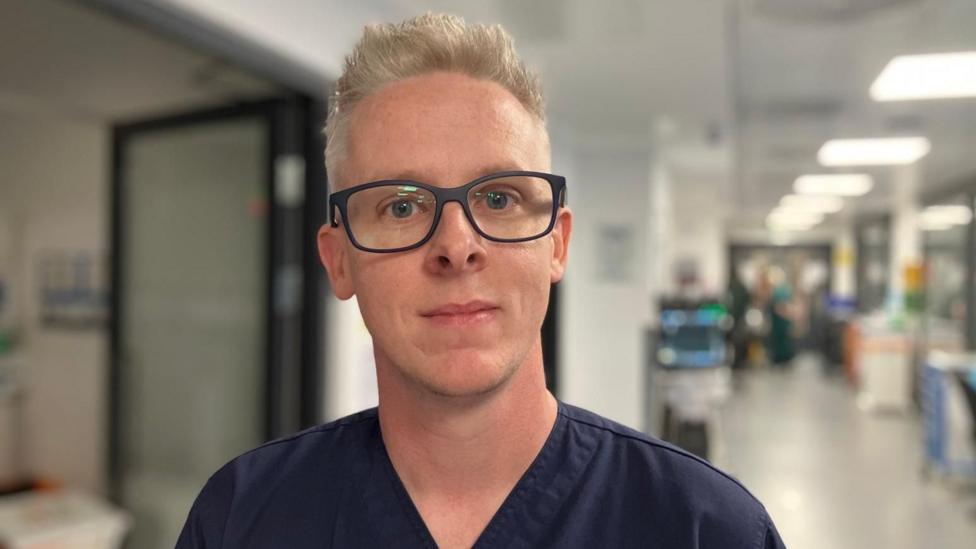
Consultant and director of urgent care Owain Chandler recognised patient frustration as legitimate.
If you have been waiting excessive hours to be seen, you're going to be frustrated and that's okay. It's understandable.
How is demand currently affecting operations?
During the BBC's seven-hour visit, the emergency department treated 274 patients. Nurse in charge Sam Taylor-Harley described the variety of cases:
We've had some more heart attacks, myocardial infarctions, we've had a couple of trauma calls, we've had a couple of admissions to the ITU upstairs, and we've also had some infection prevention control issues coming in as well.
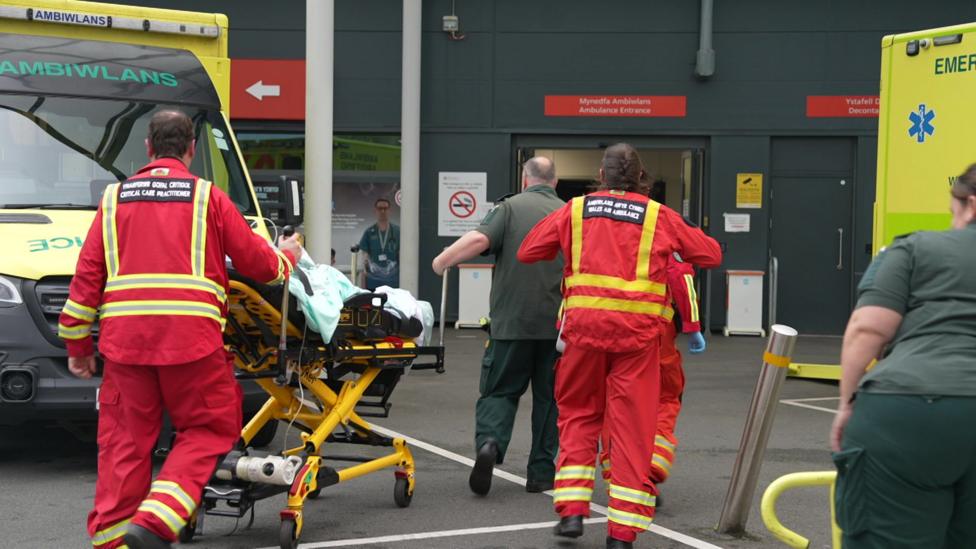
As the visit concluded, a patient with life-threatening injuries arrived by air ambulance, with more than a dozen staff from across the hospital mobilising immediately. Critically ill patients never wait to be seen, but this priority necessarily extends waiting times for less serious cases.
On 21 October 2026, Aneurin Bevan University Health Board warned of exceptional demand across its hospitals and urged people to use emergency departments only for life-threatening illness or serious injury, signalling the ongoing strain on the system.
What is the Welsh government's position?
The Welsh government acknowledged that NHS staff are "working incredibly hard" to deliver compassionate care and stated that early planning is underway to manage a challenging winter period. However, officials indicated that Aneurin Bevan Health Board must demonstrate clear improvement, including better unscheduled care performance, stronger management of urgent and emergency care concerns, and clearer public information about how to access appropriate care. The health board remains in level four escalation status pending evidence of sustained progress.