The Betsi Cadwaladr University Health Board is maintaining financial support for a Bangor University research centre several months after an internal audit raised serious questions about whether the arrangement delivers measurable benefits to patients in North Wales. According to BBC News, the health board remains committed to the partnership despite the critical findings.
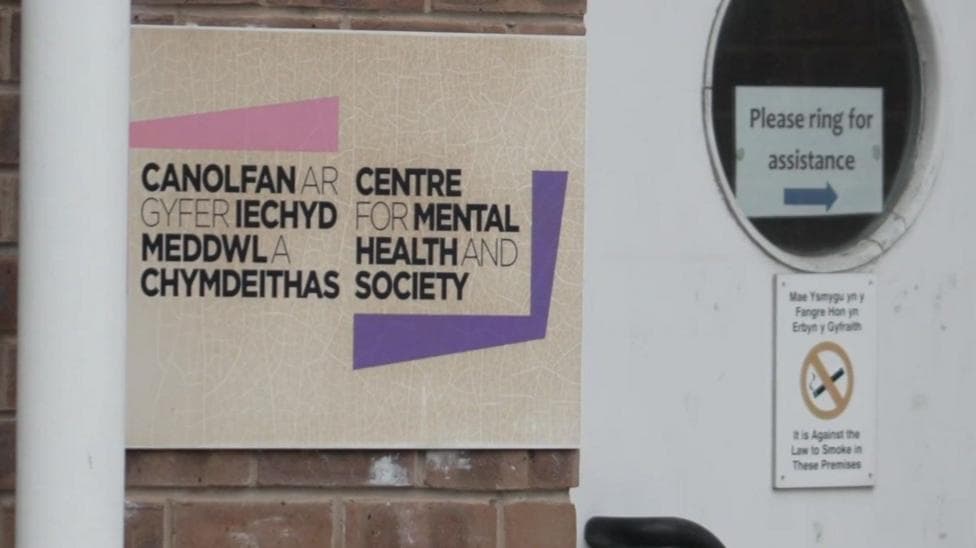
The health board allocated £110,686 in the current financial year to fund two researchers at the Centre for Mental Health and Society, part of Bangor University but based in Wrexham using offices provided by the health board itself. An internal audit completed in January concluded that
it is unclear what services the health board are receiving and paying for, and how beneficial it is to the population of north Wales.
The financial commitment extends far beyond the current year. A later audit report dated April 2026 revealed that total payments to Bangor University had reached £4,292,733 by September 2025. The original five-year contract was established in 2012 but was never formally reviewed after its initial term expired, allowing payments to continue without structured reassessment.
The audit findings highlighted governance gaps that extend beyond financial accountability. The April 2026 report noted that the number of health-board-funded posts at the centre had increased from two to four without evident justification, and flagged missing declarations of interest among some staff involved in the arrangement.
What concerns did the audit raise?
The January audit stated plainly that
the health board cannot demonstrate that it has received value for money from the agreement.This finding prompted intervention from Llais, the health and social care watchdog for Wales. Geoff Ryall-Harvey, regional director for North Wales, expressed frustration at the pace of response, saying:
I would have expected a serious sit down and look at what was being bought with that money to decide whether the agreement should continue. It doesn't appear that's been done. NHS money is limited, and health boards have to get best value for money out of that – there is a procedure to make sure that research is relevant locally. I'd very much like to see what people in North Wales are getting for that £110,000.
The health board's own governance structures had flagged the issue. Betsi's Audit Committee minutes from December 2025 show that a dedicated internal audit of the Centre for Mental Health and Society was added to the 2025/26 audit plan. In February 2026, the committee recorded that the centre-related action would remain open until the draft internal audit report was considered in public.
What research is being funded?
The health board identified three current research topics supported by the arrangement: students' experience in prison, mental health outcomes, and opiate use in primary care. However, the audit raised questions about whether these projects translate into direct patient benefit or represent a sound use of constrained NHS resources.
Bangor University's separate review of the centre offered a different perspective on its output. The university review said the centre had produced more than 100 academic papers and publications, describing its research output as solid. The university also noted that a further letter of agreement was made in 2017 and updated annually until 2022, suggesting an attempt to maintain formal documentation of the arrangement.
Have any irregularities been found?
Both organisations have stated that their reviews found no evidence of improper conduct. In July 2026, Betsi chief executive Carol Shillabeer said there was
no suggestion of improper conduct, and Bangor University's separate review also found no evidence of fraud or misconduct. The findings suggest the arrangement was established and operated with legitimate intent, but that governance and accountability mechanisms were inadequate.
How is the health board responding?
Teresa Owen, Interim Deputy CEO of Betsi Cadwaladr, acknowledged the concerns and outlined planned action. She stated that
research, development and innovation (RDI) is an important element of the work of university health boards. The health board maintains good relationships with academic institutions, including Bangor University. We recognise the importance of good governance around research collaborations and we are addressing concerns raised in the internal audit review. As part of that process we are commissioning an external review of our RDI function, which will also inform the strengthening of governance in this area.
A spokeswoman for Bangor University said:
The Centre for Mental Health and Society focuses on research that has a direct application to improve the mental well-being of the general population or to improve mental health care. The university remains committed to working constructively with the health board and will engage in any discussions or review processes should its involvement be requested.
What happens next?
Betsi's Audit Committee is scheduled to consider the internal audit report, though no specific date for that consideration had been announced as of July 2026. The external review of the health board's research, development and innovation function will inform whether the current arrangement with Bangor University continues and under what conditions. The outcome will be significant given that the health board has been operating under special measures for nine years due to broader concerns about care quality and leadership.
Key Facts:
- Betsi Cadwaladr University Health Board paid £4,292,733 to Bangor University by September 2025 under a contract that began in 2012 and was never formally reviewed after its initial five-year term.
- An internal audit in January concluded the health board could not demonstrate value for money from the arrangement, and a later April 2026 audit found the number of funded posts had risen from two to four without evident justification.
- Both the health board and Bangor University have confirmed their reviews found no evidence of fraud or misconduct, but governance gaps have been identified.
- The health board is commissioning an external review of its research, development and innovation function to strengthen governance and accountability.
- Llais, the health and social care watchdog, has expressed concern that the pace of response to audit findings has been too slow.