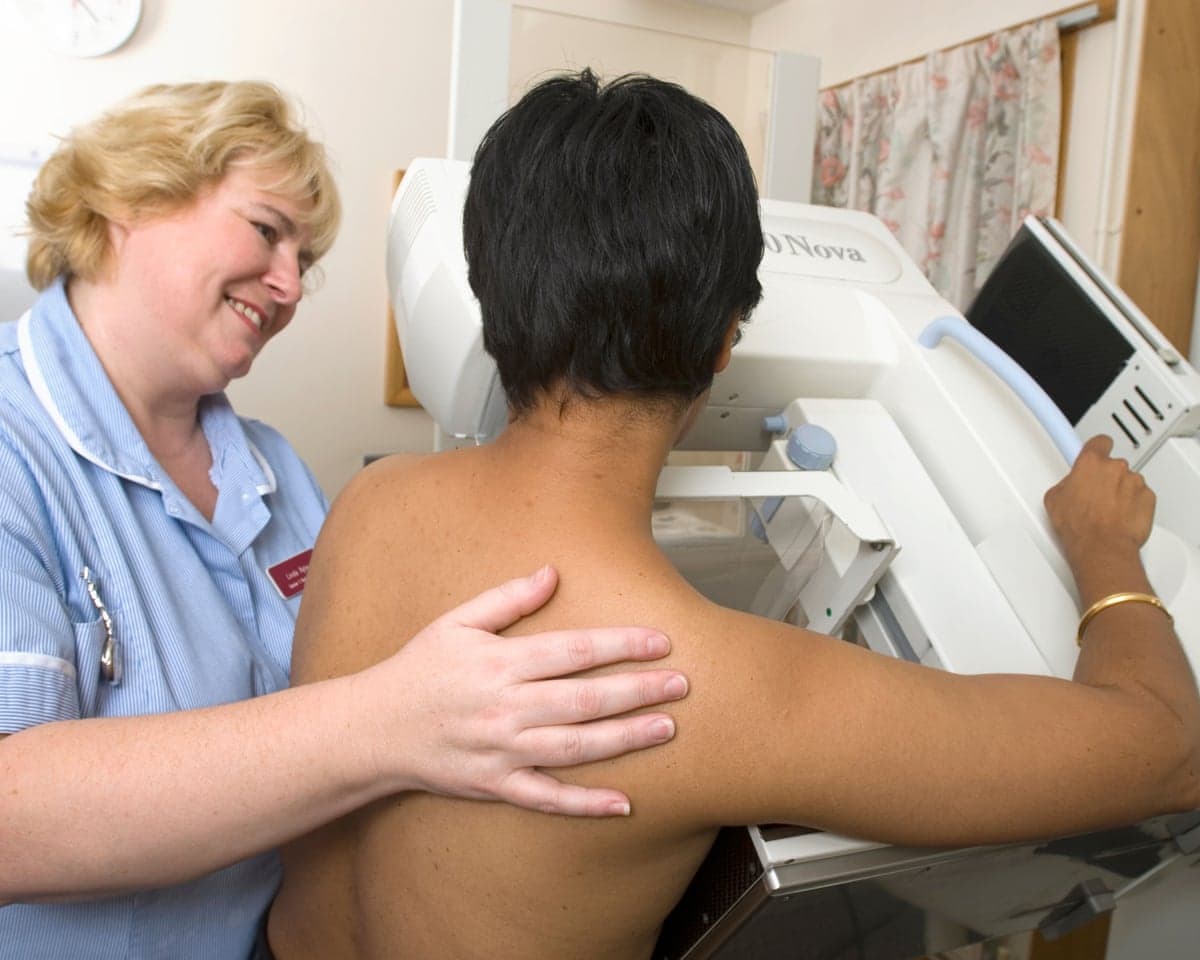
People from minority ethnic backgrounds in England are up to a third less likely to receive a breast cancer diagnosis through routine screening and face significantly higher rates of emergency diagnosis, according to new research analysis.
The study, conducted by academics at the University of Surrey and funded by the charity Breast Cancer Now, examined 86,564 adults diagnosed with the disease between 2009 and 2019 using data from the Clinical Practice Research Datalink and the Cancer Registration Tumour and Treatment datasets. The Guardian reported the findings, which reveal persistent inequalities in how different population groups access early detection.
The analysis demonstrated that individuals from Black, Asian and mixed ethnic backgrounds, alongside those from economically deprived areas, showed a 33% reduction in screening-detected diagnoses compared to other groups. Simultaneously, these same populations experienced a 31% higher likelihood of diagnosis through urgent suspected cancer referral pathways and a 37% higher likelihood of diagnosis in emergency settings—indicators of late-stage detection.
People living with a learning disability also faced poorer outcomes: their time to diagnosis was 18% longer than for those without a learning disability, and they experienced a 10% longer wait for treatment to begin.
Why are screening rates lower in minority communities?
Multiple barriers prevent equitable access to breast cancer screening across different populations. A 2025 systematic review identified six reported obstacles for Black African and Black Caribbean women, including concerns about screening and test reliability, misconceptions about personal risk, emotional responses to screening, practical access barriers, beliefs about cancer treatment effectiveness, and religious or cultural stigma. These factors operate alongside systemic challenges within healthcare provision itself.
Research from 2026 based on interviews with 17 professionals found that screening initiatives often depend on individual effort and grassroots work without adequate system-level support, calling for structural reform that extends beyond translation services and cultural-competency training. In practical terms, breast-screening uptake in Lancashire areas with large British Pakistani populations stood at 54–59% among eligible women, falling below the national average.
What do the wider statistics show?
The disparity in diagnostic pathways reflects broader inequalities in cancer detection across England. On average, one in five people across the country require three or more GP interactions before receiving a cancer diagnosis. However, for people from ethnic minority backgrounds, this figure rises to one in three, according to analysis of the NHS cancer patient experience 2022 survey by QualityWatch, a joint programme from the Nuffield Trust and the Health Foundation.
Manveet Basra, associate director of public health, inclusion and awareness at Breast Cancer Now, emphasised the consequences of these patterns:
People from marginalised groups face inequalities at every stage of their breast cancer experience, and tragically this impacts their survival rates.
Basra outlined the charity's response:
This research helps us understand who is less likely to be diagnosed with breast cancer via screening, [who] might wait longer to get diagnosed or experience delays in treatment, and knowing what barriers they face enables us to work towards eliminating them. Determined to improve breast cancer care and survival rates outcomes, we're funding world-class research that actively identifies and addresses inequities, working with policymakers to improve equal access to screening, and ensuring our information, campaigns and life-changing support services reflect the diverse needs of everyone affected by this devastating disease.
What impact would improved screening uptake have?
Closing the screening gap could substantially increase early detection rates. Breast Cancer Now's analysis of 2023–24 NHS data estimated that 2,029 additional women would have had breast cancer detected through screening if the 80% attendance target had been met across all eligible populations. This figure underscores the potential benefit of interventions that successfully increase participation among currently underserved groups.
Dr Rob Kerrison, an associate professor of cancer care and co-lead of the cancer care expert group at the University of Surrey and the lead investigator of this study, highlighted the importance of the findings:
We know that some groups of women in the UK have poorer breast cancer survival than others, but until now we have had only a limited understanding of why. Our findings suggest that inequalities in access to screening and timely treatment may be part of the explanation. Women from a range of disadvantaged and under-served groups were less likely to have their cancer detected through screening and often waited longer to start treatment. If we are serious about improving breast cancer outcomes, we need to ensure that everyone can access screening and receive prompt treatment, regardless of their background or circumstances.
Why does early detection matter?
Breast cancer is the most common cancer worldwide among women, accounting for approximately one in four cancer cases and representing one of the leading causes of death in women under 50. Identifying women at higher risk early enables access to additional screening or preventive treatment options, substantially improving survival prospects and quality of life outcomes.
This research contributes to growing evidence documenting unequal cancer outcomes experienced by people from marginalised backgrounds across the UK healthcare system. The findings align with earlier work showing that current NHS breast cancer referral criteria may miss up to 95% of at-risk women under 50, though the National Institute for Health and Care Excellence has stated that evidence is not yet sufficient to change guidance. Broader healthcare disparities have also emerged in other areas, with research revealing that Black and Asian women in the UK are less likely to receive epidurals during childbirth, highlighting systemic issues in maternity care provision.
Key Facts
- People from Black, Asian and mixed ethnic backgrounds are up to 33% less likely to be diagnosed with breast cancer via routine screening
- These groups are up to 31% more likely to be diagnosed through urgent suspected cancer referral and up to 37% more likely to be diagnosed in emergency settings
- People from ethnic minority backgrounds require one in three GP interactions for cancer diagnosis, compared to one in five for the general population
- Individuals with learning disabilities face 18% longer diagnostic delays and 10% longer treatment waits than those without learning disabilities
- An estimated 2,029 additional breast cancer cases could have been detected through screening if the 80% attendance target had been achieved across all populations