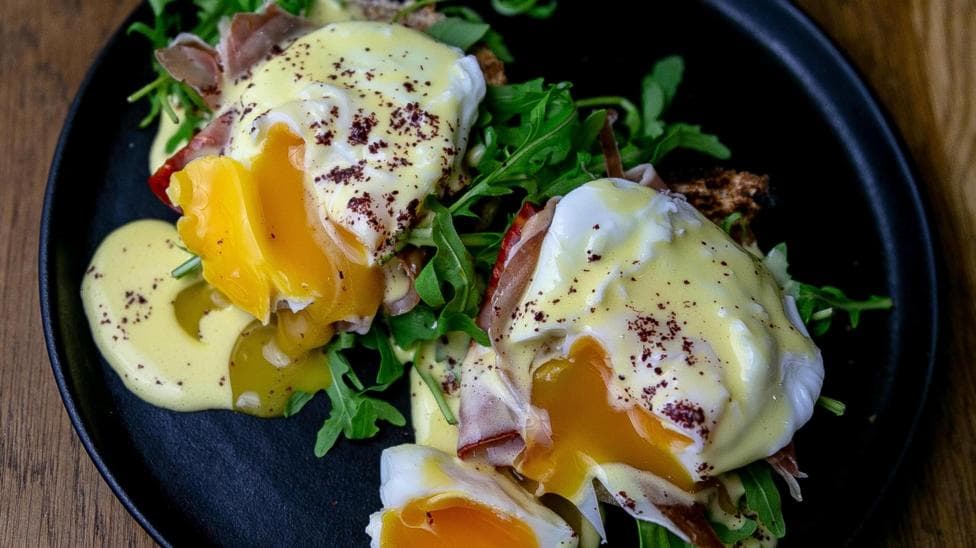
The Food Standards Agency has issued guidance for at-risk groups to steer clear of undercooked or runny eggs when dining out, following a significant salmonella outbreak affecting hundreds of people across the UK.
Those advised to avoid such eggs include children under five, adults over 65, pregnant women, and individuals with underlying health conditions. The FSA also recommends that these groups avoid freshly prepared dishes that may contain raw eggs, including mayonnaise, soufflés and hollandaise sauce. However, thoroughly cooked eggs served in restaurants, cafes and takeaways remain safe for consumption.
The warning comes after the UK Health Security Agency declared a national outbreak of salmonella food poisoning. According to UKHSA's latest report, 207 confirmed cases were detected as of 13 August 2026, with at least one death recorded. The outbreak has also resulted in at least 34 hospitalisations and 2 bloodstream infections, with cases distributed across England, Scotland, Wales and Northern Ireland.
Evidence points to imported eggs or dishes containing them as the likely source of the outbreak. Investigations into individual food service establishments have revealed that many were sourcing eggs from abroad rather than from domestic suppliers.
What does the FSA say about British eggs?
The FSA has emphasised that eggs produced in the UK remain safe to consume, even when runny. British chickens are vaccinated against common strains of salmonella, providing protection against infection.
If people are eating out or consuming eggs or egg-containing products from cafes and restaurants then for those people in particular who are young, elderly, pregnant or vulnerable, it's important to make sure that any eggs or egg products that you consume in those settings have been very well cooked.This statement came from Ian Young, the FSA's chief scientific adviser, who described the outbreak as
unusually large and rapidly increasingand stressed that
people need to be careful.
Young reiterated that there is no connection between British eggs and the current outbreak. Mark Williams, chief executive of the British Egg Industry Council, reinforced this message, noting that eggs from Britain were safe to eat when runny, even for vulnerable people, and were widely available in restaurants and cafés.
Customers who want to enjoy a runny egg should simply ask whether British Lion eggs are being used,he said.
How widespread is the outbreak?
According to UKHSA data, all 207 cases belong to the same genetic cluster, indicating they form part of a single outbreak. The majority of cases, 199 of the 207, have been identified in England, though the outbreak has spread to other parts of the UK. The affected age range spans from infants under one year old to individuals aged 90, demonstrating the broad reach of the infection.

Genetic analysis has revealed that the current outbreak is phylogenetically linked to a previous salmonella outbreak in 2025 that was also associated with imported eggs, suggesting a pattern of risk from this source. Notably, only 6 of the 207 cases involved individuals with travel outside the UK, indicating that the outbreak was not associated with international travel by affected persons.
What is salmonella and how does it spread?
Salmonella comprises a family of bacteria that typically inhabit the digestive tracts of animals including cattle, pigs and poultry, which explains why eggs and poultry products are frequently implicated in infections. Transmission occurs when contaminated food is consumed without adequate cooking, or through cross-contamination when raw and cooked foods are mixed in kitchen preparation or when contact occurs with infected animals.
Infection typically produces stomach cramps, diarrhoea, vomiting or fever. Most individuals recover without medical intervention, but older people, infants and those with compromised immune systems face elevated risk of severe disease. In severe cases, hospital treatment involving fluid replacement and sometimes antibiotic therapy may be necessary.
What is the source of the outbreak?
Food chain investigations have identified multiple premises supplied by eggs from various sources, with imported eggs remaining the strongest suspected origin. According to UKHSA investigations, the food supply chain has been traced to egg importers and multiple suppliers, all pointing toward imported products as the likely culprit. No identified link to UK-produced eggs or poultry has been established at this time, which is why public health advice has focused specifically on imported eggs and food-service settings where such eggs may be used.
The first case in this outbreak was identified on 11 August 2025, with the most recent confirmed case occurring on 1 August 2026, indicating an extended period of exposure and transmission.
What should vulnerable people do?
Anyone concerned about potential exposure or experiencing symptoms of salmonella infection is advised to contact their general practitioner or out-of-hours medical service. Vulnerable individuals dining out should request confirmation that eggs being served are British Lion eggs, which carry the safety assurance of domestic vaccination programmes. For those preparing food at home, the FSA continues to recommend purchasing British eggs from supermarkets as a safe alternative to imported varieties.
What happens next?
Investigations remain ongoing, with UKHSA continuing food chain tracing and conducting local investigations at affected food service settings. The agency is working to identify all premises involved and to prevent further cases through targeted intervention at the source of supply.