The NHS has begun distributing this winter's reformulated influenza vaccine, which includes protection against the subclade K strain that caused widespread illness during last year's early and severe flu season. Schoolchildren and pregnant women are receiving their first doses from 1 September 2026, with most other eligible adults able to access the vaccine from 1 October 2026.
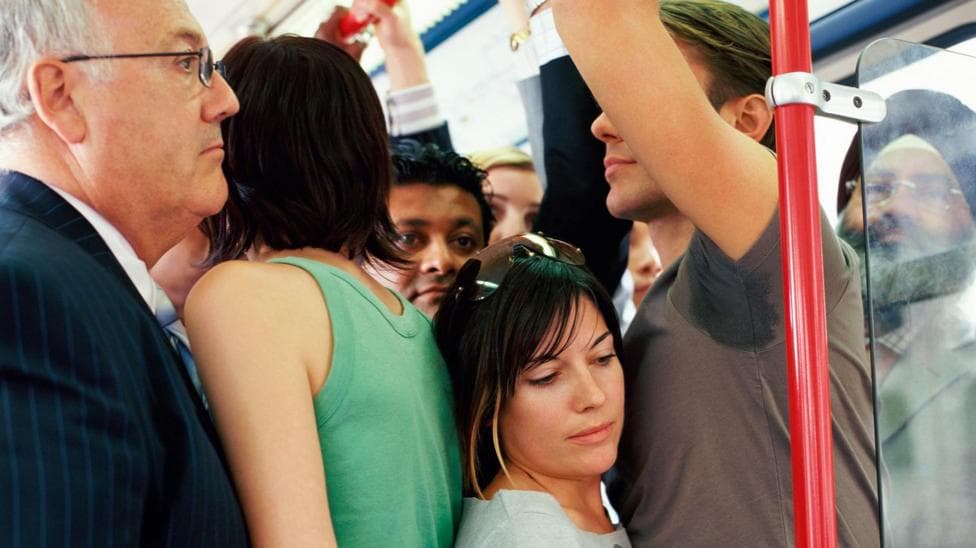
Last winter brought unexpected challenges when flu arrived more than a month earlier than typical, driven by the emergence of a new mutated variant known as subclade K or Super-K. The timing and severity of that season placed considerable strain on NHS services already operating at capacity. In response, health officials have accelerated preparation for the coming winter, prioritising vaccination among groups most likely to contract and transmit the virus.
Why the vaccine has been updated
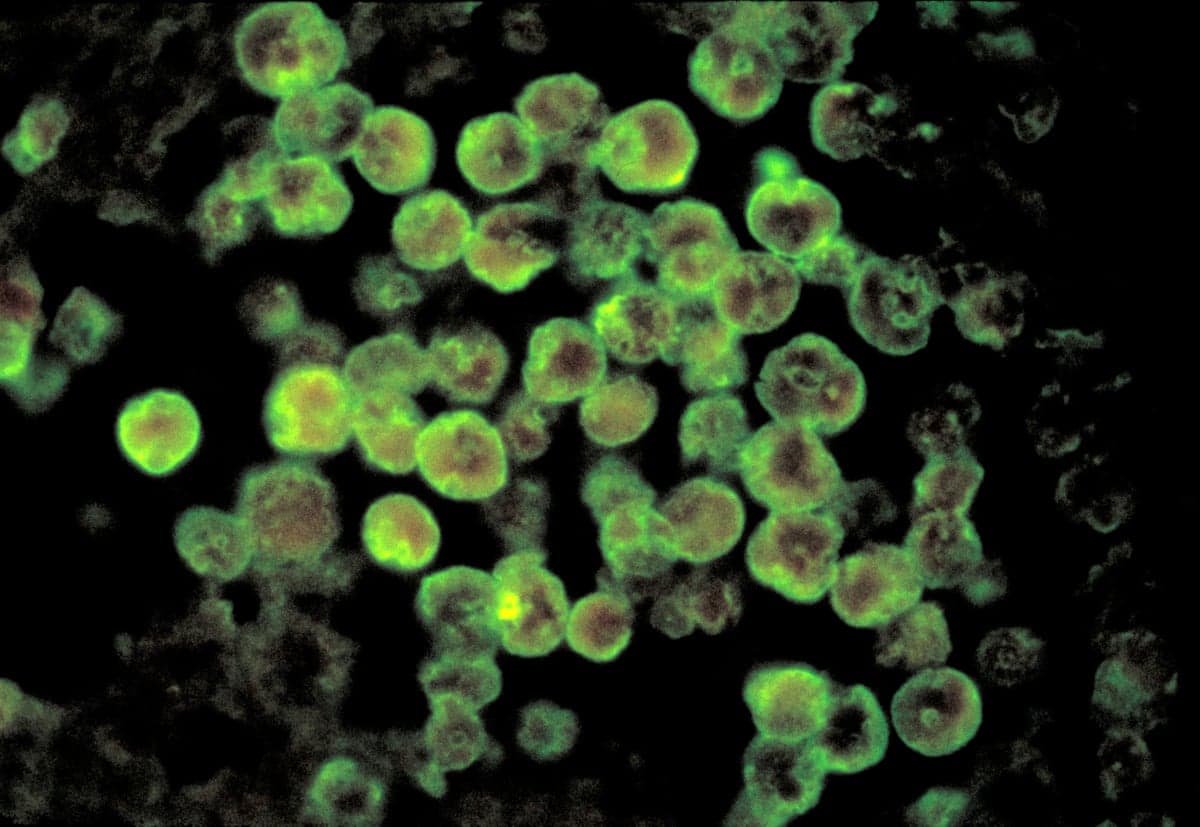
Influenza viruses undergo constant genetic change, requiring vaccine manufacturers to anticipate these mutations months in advance. The 2026 to 2027 vaccine formulation includes modifications designed to match the circulating strains more closely. According to the CDC, the updated vaccine specifically targets influenza A(H3N2) subclade K, which spread extensively during the 2025 to 2026 season. The World Health Organisation recommended this composition in February 2026, allowing time for production and distribution ahead of the autumn rollout.
The term "super flu" is not a medical classification and does not indicate that the virus has become more difficult to treat. Rather, it reflects that populations have not yet developed immunity to the new variant. Annual vaccine updates ensure that protection remains effective as the virus evolves.
Who is being prioritised and why?
Schoolchildren aged two and above, along with pregnant women, are the first groups to receive the vaccine because they play a central role in spreading influenza within communities. Protecting these populations creates a protective effect for vulnerable contacts, including infants, elderly relatives, and others at higher risk of serious illness. According to the UK Health Security Agency, children's flu circulation typically occurs before adult circulation, which is why their vaccination programme begins earlier in the season.
Dr Amanda Doyle from NHS England emphasised the importance of uptake:
Last year's flu season came early and was made worse by a new variant, which had a major impact for patients and put enormous pressure on urgent and emergency care services across the country. With the NHS experiencing its busiest summer on record, staff have started preparing for this winter earlier than ever – and with services already under significant pressure, it is vital that everyone offered the vaccine comes forward.
She added that flu can have serious consequences even for young, healthy people:
Flu can really knock you for six, and for some children and pregnant women it can mean becoming seriously ill or ending up in hospital.
How will the vaccine be delivered?
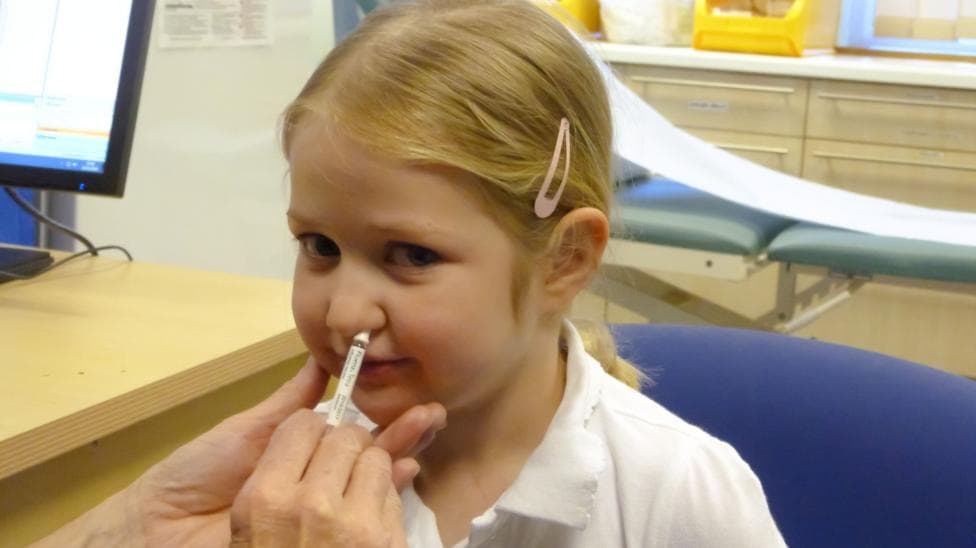
Children aged two and above receive the vaccine as a nasal spray, while adults receive an injection. A single dose provides protection for the winter season. Vaccination is available through multiple settings: general practices, schools, and high street pharmacies. According to NHS guidance, the programme is expected to offer vaccination to 100% of eligible groups, with most vaccinations completed by 30 November 2026, though the programme continues until 31 March 2027.

Those who do not qualify for a free NHS vaccine can purchase one privately for approximately £10 to £20.
Who is eligible for a free vaccine?
Schoolchildren and pregnant women can access free vaccination from 1 September 2026. From 1 October 2026, free vaccination becomes available to:
Children aged two or older who have not yet started school; people with certain long-term health conditions; individuals who are the main carer for an older or disabled person, or who receive a carer's allowance; those living with someone who has a weakened immune system; and people experiencing homelessness or staying in homeless hostels or night shelters.
Adults aged 65 and over are also eligible for free vaccination from 1 October 2026. Additionally, the NHS is offering a separate vaccine this winter to protect against Respiratory Syncytial Virus (RSV), which affects the lungs. From September 2026, adults will be invited for RSV vaccination when they turn 65, rather than waiting until 75, if they have certain pre-existing conditions such as chronic lung disease.
What can we expect from this winter's flu season?
Predicting the severity of any given flu season remains difficult. Health experts often examine patterns in the southern hemisphere, where flu peaks during their winter months of July and August, to anticipate what the northern hemisphere may experience. Australia reported fewer flu cases in 2026 compared to the previous year, while New Zealand experienced high case numbers. These mixed signals mean uncertainty remains about whether the UK will face another severe season.
Dr Doyle stressed the importance of caution:
It is best to be cautiousgiven last year's unexpected early onset and the strain it placed on services.
How does the vaccine work?
The flu vaccine cannot cause influenza infection. Instead, it trains the immune system to recognise and fight the virus if exposure occurs. This preparation allows the body to mount a rapid defence, reducing the likelihood of infection or the severity of illness if infection does occur.
What happens next
The adult vaccination programme formally begins on 1 October 2026 for most eligible groups. The main vaccination push is scheduled to run through 30 November 2026, with the overall programme continuing until 31 March 2027. Community pharmacies will begin vaccination for children with clinical risk groups from 1 October 2026, while pharmacy delivery for school-aged children who missed school-based vaccination starts on 1 December 2026.

Key Facts
- This year's flu vaccine has been reformulated to protect against subclade K, the strain that caused last winter's early and severe flu season
- Schoolchildren and pregnant women can receive free vaccination from 1 September 2026; most other eligible adults from 1 October 2026
- The vaccine is delivered as a nasal spray for children aged two and above, and as an injection for adults
- The NHS expects to complete most vaccinations by 30 November 2026, with the programme continuing until 31 March 2027
- A separate RSV vaccine is also being offered to adults aged 65 and over with certain pre-existing health conditions