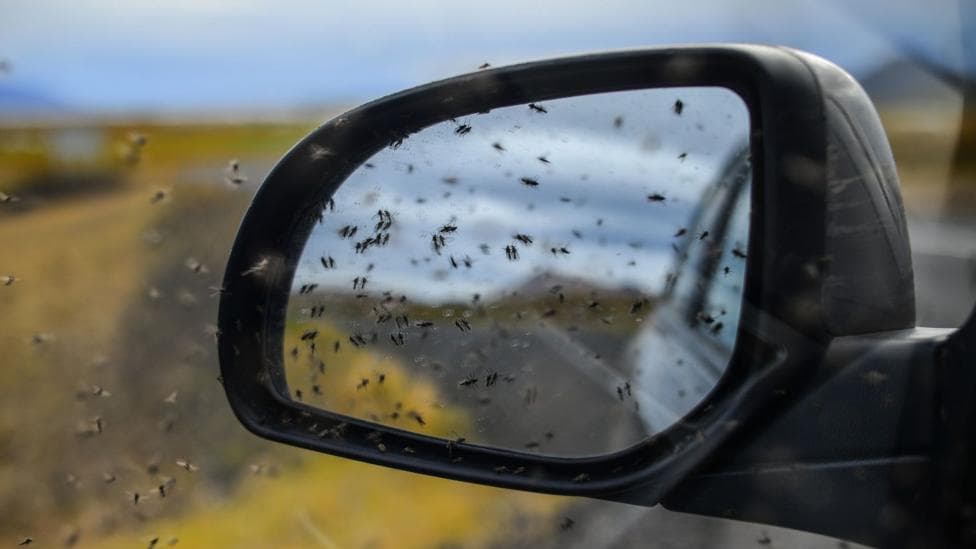
Researchers at the University of Glasgow are launching a major investigation into the health threats posed by midges and mosquitoes, insects that cause far more serious problems than their notorious summer bites.
The team has secured £3.75 million in funding from UK Research and Innovation, part of a broader £20 million investment in research addressing epidemic threats. The four-year project will examine how these insects transmit emerging diseases across the UK and strengthen the nation's preparedness for future outbreaks.
Recent outbreaks of bluetongue virus, which has caused significant livestock losses throughout the UK, have been linked to transmission by biting midges. Scientists acknowledge substantial knowledge gaps regarding UK mosquitoes and midges, and the new research aims to clarify how these insects spread pathogens, which populations face the greatest risk, and what control strategies work best.
What will the research examine?
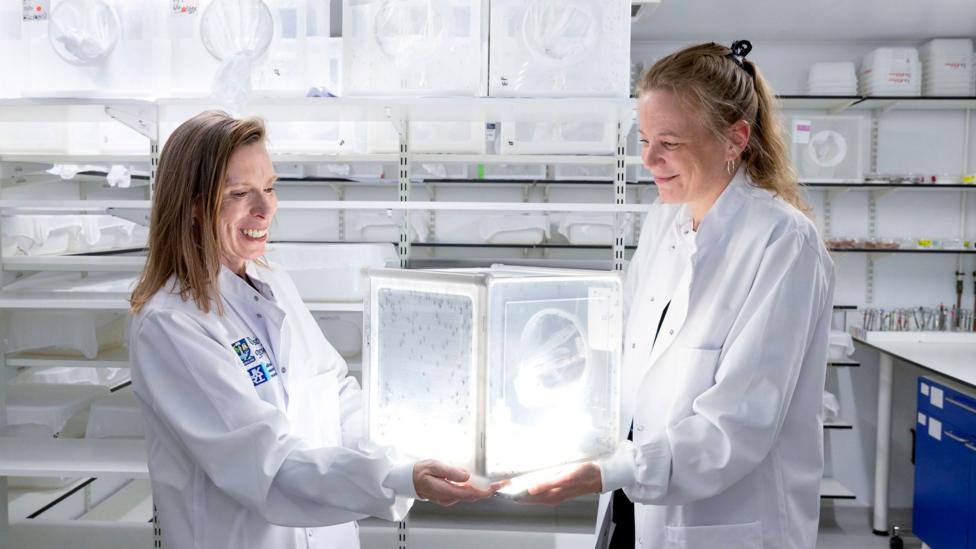
The initiative, titled Pamec (Preparing for and Mitigating the Impacts of Environmental Change on Insect-Borne Disease in the UK), will combine laboratory analysis with field investigations conducted at sites throughout the UK. Dr Emilie Pondeville, of the MRC-University of Glasgow Centre for Virus Research, explained that the combined approach will generate data for new mathematical models to assess current and future disease risks.
Together this information will help inform new mathematical models that should enable us to better understand the current and future risks we face.
Dr Pondeville will lead the project alongside Heather Ferguson, Professor of Medical Entomology and Infectious Disease Ecology at the University of Glasgow.
The research builds on the earlier Mosquito Scotland project, which assessed the threat from mosquitoes and mosquito-borne illnesses across Scotland. That earlier initiative documented more than 700 public sightings and identified 21 mosquito species, with sightings recorded as far north as Shetland, marking the UK's northernmost location for mosquito detection. Three species—Aedes cantans, Aedes punctor and Aedes rusticus—were identified as the primary causes of nuisance biting in Scotland.
What emerging threats are being studied?
Recent investigations have revealed that biting midges harbour previously unknown viruses, some of which prove fatal to birds and other wildlife. The new project will begin by deepening understanding of mosquitoes and biting midges and their role in disease transmission. Researchers will develop novel detection methods for emerging pathogens and evaluate whether climate change could heighten the likelihood of insects carrying dangerous microorganisms.
Who is involved in the research?
The project brings together academic scientists, farming representatives, citizen volunteers, health agencies and government bodies to strengthen the UK's capacity to detect and respond to insect-borne diseases. Partners include the UK Health Security Agency, the UK Centre for Ecology & Hydrology and Scotland's Rural College.
Why does this matter now?
The bluetongue virus situation underscores the urgency of this work. Bluetongue virus serotype 3 was detected in England in November 2023, representing the first UK identification of the disease since 2007, and biting midges transmit the virus between ruminant animals. The Mosquito Scotland programme, which received £1.25 million in 2023 for a three-year assessment of mosquito-borne pathogen risks in Scotland under current and projected climate scenarios, demonstrated both the scale of the challenge and the value of sustained research investment.
Key Facts
- The four-year Pamec project is funded with £3.75 million as part of a £20 million UK Research and Innovation initiative on epidemic threats
- Mosquito Scotland identified 21 species and documented over 700 public sightings, with mosquitoes confirmed as far north as Shetland
- Bluetongue virus, spread by biting midges, was detected in England in November 2023 for the first time since 2007
- The research will combine laboratory work with field studies to develop mathematical models predicting disease risk under different climate scenarios
- The project involves partnerships with the UK Health Security Agency, the UK Centre for Ecology & Hydrology and Scotland's Rural College