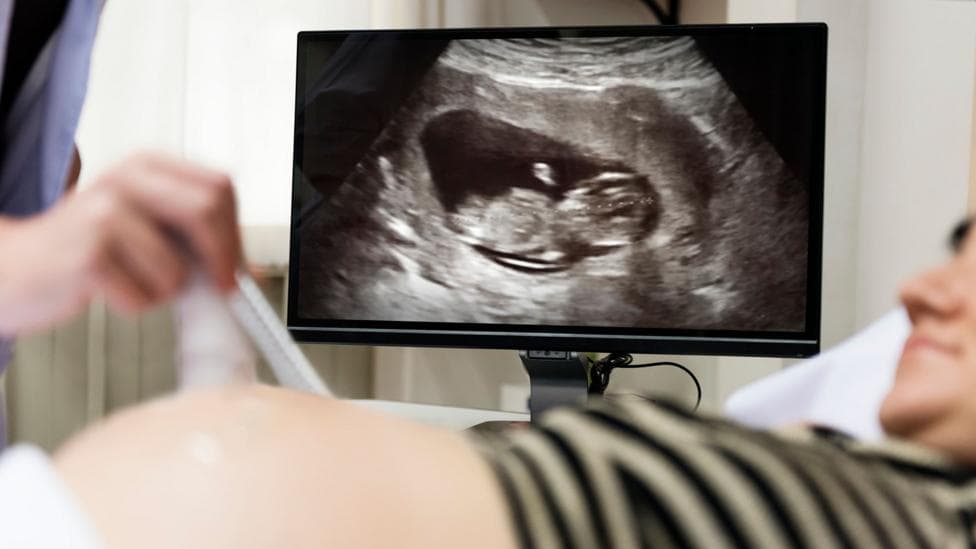
A comprehensive review of maternity services across Scotland commenced this week, with the chair promising that families affected by failings in care will have their experiences heard and considered. The independent inquiry, ordered by ministers following a BBC investigation into safety lapses, is scheduled to deliver its findings in July 2027.
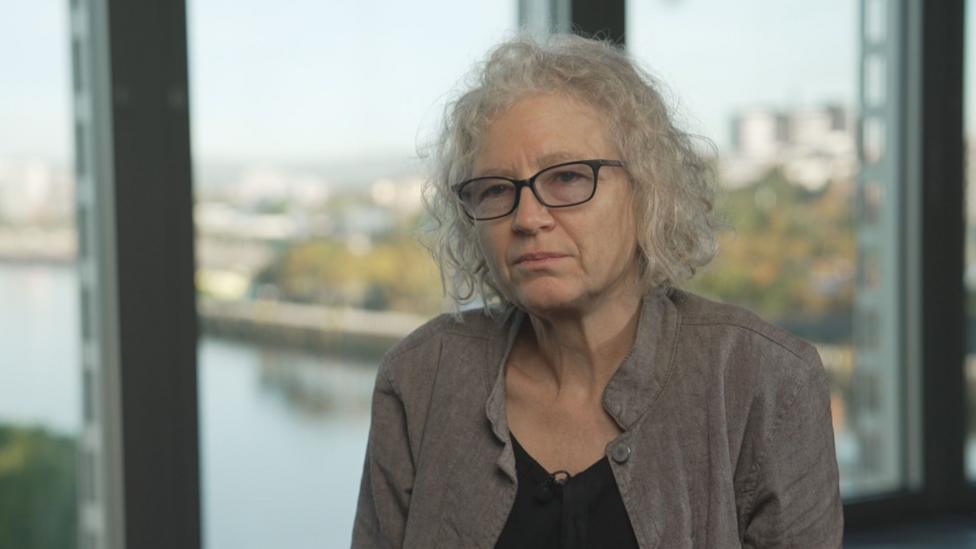
Professor Christine McCourt, who leads the review, addressed concerns from bereaved parents that a forward-looking examination might overlook how the NHS had failed them. She emphasised that listening to people across the full spectrum of experiences—both positive and negative—would be essential to identifying systemic problems and drawing lessons for improvement.
Families had worried that the national review's emphasis on looking ahead rather than backward would exclude their voices. Lori Quate, whose wife Jacqui Hunter died in 2020 while giving birth to their stillborn daughter Olivia at Ninewells Hospital in Dundee, articulated this anxiety. Jacqui had received an overdose of labour-inducing medication, and an NHS review concluded this could have contributed to her death.
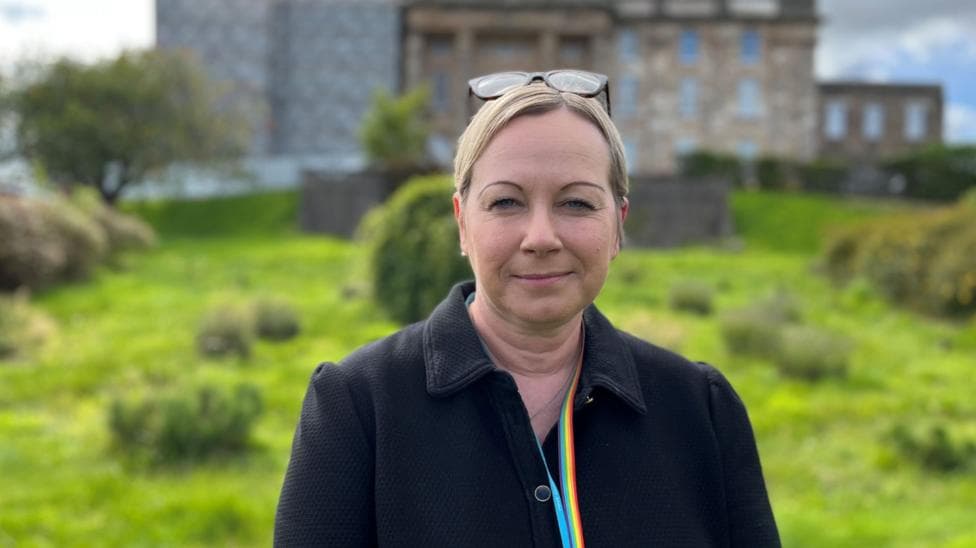
Quate expressed concern about how the review would incorporate families' experiences into its conclusions.
"The biggest concern was that the phrase 'forward-looking' seems to necessitate a limited involvement of families who have been through the mill of this culture of failings,"he said.
"How are they going to face forwards if they're not willing to hear from the families?"
He acknowledged that investigating every individual case might be impractical for a systems-focused review, but argued that cases like his own illustrated broader patterns.
"A case like Jacqui and Olivia's is almost exemplary of the systemic rot and failings that prevail throughout the entire system."
What will the review examine?
The review will take a whole-systems approach, examining antenatal, birth and postnatal care in both hospital and community settings. According to the Scottish government's policy framework, its scope includes rural and island maternity care, disparities in outcomes, and workforce and governance issues. The Royal College of Midwives has called for particular attention to care for Black and Asian women and women facing complex social and clinical disadvantages.
McCourt explained that while investigating individual cases falls outside the review's remit, there was significant potential to learn from people's lived experiences.
"There's a great potential to learn from people's experience, especially if you actually talk to a range of people. You can draw out the patterns in the general lessons. What led to a poor outcome in the first place, and then what happened afterwards?"She added:
"Are parents getting honest, useful explanations? Are they getting support?"
The review will build on themes emerging from safety inspections of maternity units, including the importance of listening to families, investigating serious incidents thoroughly, and learning from mistakes. A separate Healthcare Improvement Scotland inspection of Queen Elizabeth University Hospital found delays of up to 190 hours before some expectant mothers were induced.
How will the review address Scotland's specific challenges?
McCourt stressed that while lessons from previous inquiries in England and other UK nations would inform the work, Scotland faces distinct circumstances.
"You've got a much more dispersed population in Scotland. So thinking about how to cater for the more rural areas where you've got long distances, and you've got a smaller population concentration, that's quite different from most of England."She noted that Scotland's devolved health system also created different dynamics.
The Scottish government confirmed the review would examine inequalities, including higher rates of maternal death among Black and Asian women. It will also have a specific focus on maternity services in Caithness, Elgin and Wigtownshire, where long-standing campaigns have sought improvements to local provision.
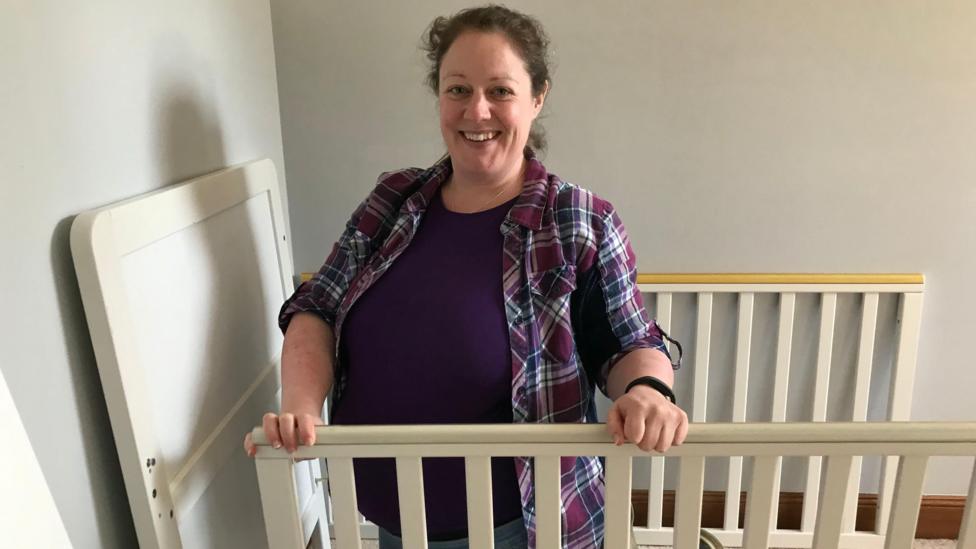
Claire Fleming's experience exemplifies the challenges facing women in rural areas. Her third child, Andrew, was born in Dumfries, 70 miles from her home near Stranraer, after the local maternity unit closed in 2018. She travelled that distance even for routine antenatal appointments.
Fleming does not anticipate the review will restore a full 24-hour maternity service to Stranraer, acknowledging recruitment difficulties for midwives and staff. However, she believes fundamental standards must be met.
"What I do think is really important is that the absolute basics are covered here, and they're not getting done just now,"she said.
"So when they find out what is going on down here in Wigtownshire, they need to act on it."After more than five years of campaigning and meetings with MPs and the First Minister, she expressed hope that this review might finally drive change.
What safeguards will address staffing and system pressures?
McCourt indicated she would not avoid identifying systemic pressures, including staffing shortages.
"We're completely independent, so we have that capacity to feel totally free to say what we need to say,"she stated.
"You can't run an effective health service with staff who are excessively anxious, as well as not having the right mix of staff and the right numbers of staff."
Health Secretary Angela Constance acknowledged that while most mothers receive good care, some families have experienced failings.
"Their experiences must shape improvement,"she said.

The Scottish government confirmed the review would run alongside ongoing inspections of every acute maternity unit in Scotland. Healthcare Improvement Scotland plans to inspect all 18 of Scotland's maternity units by March 2027.
How can people contribute?
McCourt expressed a desire to hear from people across different areas of Scotland.
"We need to take account of the different mix of services and how best to make sure that people have good access, that people feel that they have safe access as well. Anybody that wants to talk to us, that's very welcome."Patients and staff wishing to contribute to the review can find details through the Scottish government's official channels.
What happens next?
The review is expected to submit its findings and recommendations in July 2027. This timeline follows the appointment of McCourt as chair, which occurred seven months after the review was initially committed to by ministers. The inquiry's conclusions will inform a comprehensive programme of improvements across Scotland's maternity services.