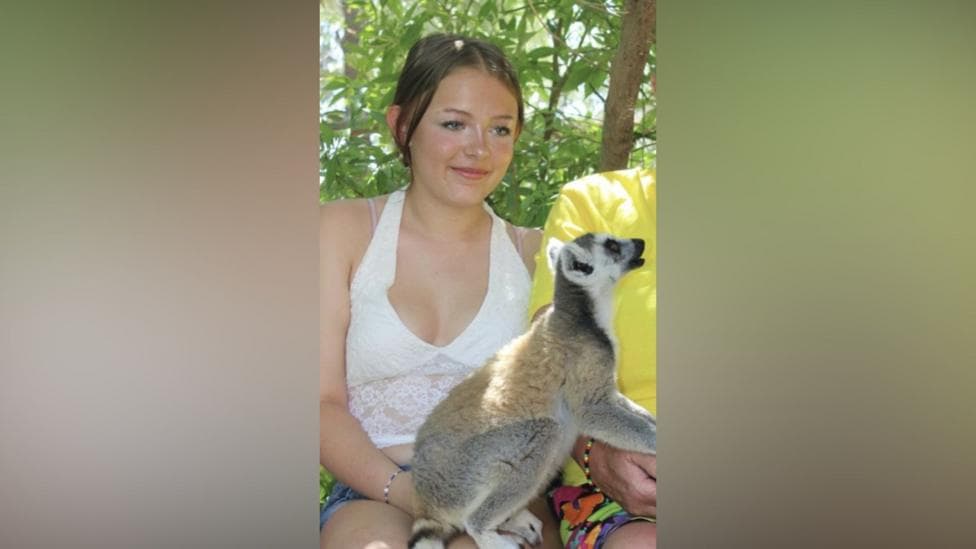
A 14-year-old girl from Warrington has become the first person in the United Kingdom to receive a dissolvable implant designed to repair a hole in her heart, allowing her to continue pursuing her passion for rugby without the restrictions that would come with a traditional permanent device.
Lillie Yale underwent the groundbreaking procedure at Alder Hey Children's NHS Foundation Trust in Liverpool on 19 June 2026. The implant, known as Memosorb, was used to close an atrial septal defect (ASD)—a hole in the wall separating the heart's two upper chambers, roughly the size of a 10p piece. Unlike conventional metal implants that remain in place permanently, this bioabsorbable device acts as a temporary scaffold, allowing Lillie's heart tissue to grow and heal naturally before the implant dissolves completely over time.
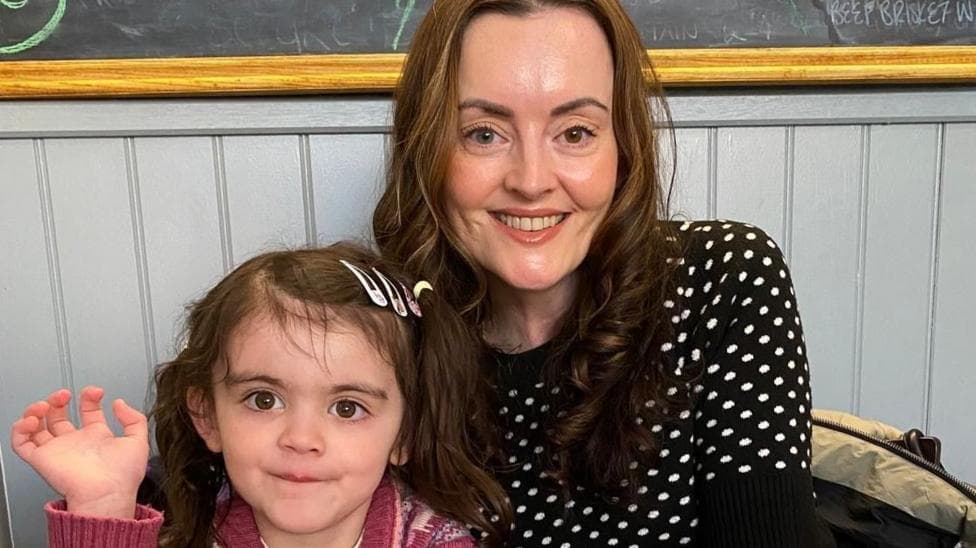
Lillie's condition was identified shortly after her premature birth at 33 weeks. She received regular monitoring throughout her childhood without experiencing symptoms until January 2025, when tests revealed her heart had become enlarged on the right side. Her mother, Becci Nichols, 38, recognised the seriousness of the situation, having learned that her own mother discovered she had ASD in her 40s.
"I knew what it meant when it said that her heart was enlarged, and I knew how serious it can be,"Nichols explained.
"It was only slightly enlarged, so I didn't worry too much but I knew it needed rectifying."
Initially, doctors indicated that an implant could be fitted within two years. However, Nichols requested the procedure be performed sooner to avoid disrupting Lillie's GCSE examinations. It was only after this conversation that the family learned a critical limitation: a traditional metal implant would have prevented Lillie from continuing to play rugby, as the device could be dislodged by heavy impact before her heart fully healed, and there would be a risk of mechanical stress to the metal device itself.

How does the dissolvable implant work?
The Memosorb device is constructed from biomedical polymers—the same material used in dissolvable surgical stitches—and functions fundamentally differently from traditional metal implants. Dr Salim Jivanji, consultant paediatric cardiologist at Alder Hey, explained that the device appears
"very similar"to conventional implants in appearance. However, the body's response to the two types differs significantly. With a metal device, tissue gradually lines the implant and remains there permanently. The dissolvable version, by contrast, acts as a structural framework while the heart heals around it.

"The body reacts to the structure of the device,"Jivanji said.
"It slowly covers it with the lining of the heart, and the polymer starts getting dissolved into carbon dioxide and water within the tissue and slowly disappears completely."According to regional news coverage, the device dissolves over approximately six to 24 months while heart tissue grows in to replace it.
"Anywhere between six and 24 months the only thing you'll see is what looks like a normal septum with no hole in it,"Jivanji added.
What has Lillie's recovery looked like?
Since the procedure, Lillie has made a rapid and impressive recovery. Her mother reported that she is
"healing absolutely perfectly"and has been
"doing loads."Within weeks of surgery, Lillie completed a 5-kilometre run, visited a theme park, and returned to playing rugby—activities that would have been restricted or impossible with a permanent metal implant. According to follow-up reporting, Lillie is having check-ups every couple of months to monitor her ongoing progress.
Lillie herself expressed her satisfaction with the outcome.
"I'm really happy with the operation,"she said.
"It's amazing to know I was the first person in the UK to have this new type of implant. I'm enjoying doing the things I love and not having to worry about my heart."
Why is this procedure significant?
This was the first time the Memosorb device had been used in the United Kingdom to treat an atrial septal defect. Alder Hey secured a special licence from the medicines regulator to use the implant, making the procedure a landmark moment in paediatric cardiology. The development is part of a broader rollout of bioabsorbable heart-hole closure technology across the UK; Guy's and St Thomas' NHS Foundation Trust had already used a similar biodegradable device earlier in 2026 in a schoolboy, demonstrating that this innovation is becoming available at multiple specialist centres.
Atrial septal defects are relatively common congenital heart conditions, affecting roughly one to two in every 1,000 babies born. Many people with ASD experience no symptoms and may not require treatment, but when the heart becomes enlarged or other complications develop, closure of the defect becomes necessary. The availability of a dissolvable option represents a significant advance for young patients whose active lifestyles might otherwise be compromised by the presence of a permanent implant.
What did Lillie's family say about her care?
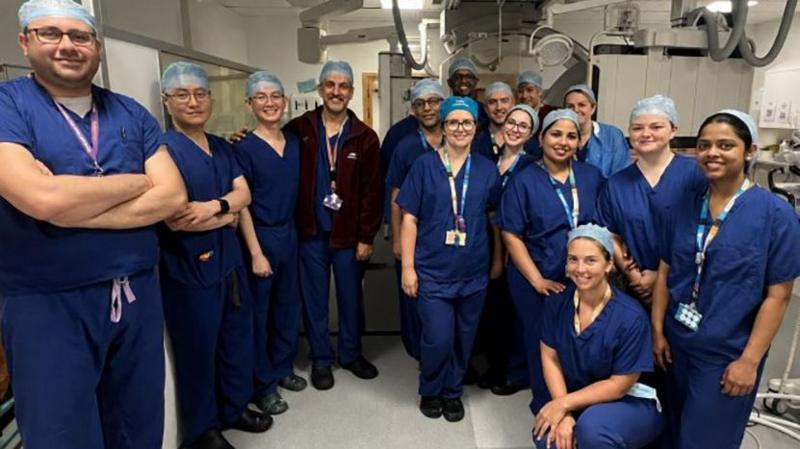
Becci Nichols expressed profound gratitude to the medical team who made the procedure possible and advocated for Lillie's quality of life. She praised the
"kindness, compassion and dedication"of Dr Jivanji and his team, saying they
"went above and beyond"to allow Lillie to
"continue with her normal life."
"Sometimes you can leave an appointment feeling like someone is simply doing their job, but every member of the interventional cardiology team and nurses on ward 1C who cared for Lillie made us feel that they genuinely wanted the very best for her and for our family,"Nichols said.