A £20m research programme based in Cambridge will grow miniature human organs and tissues from patients’ cells to improve how new medicines are tested, with the aim of sharply reducing the number of animals used in drug development. The initiative, funded by the Medical Research Council, will use tiny lab-grown tissue samples known as organoids to study how diseases differ between individuals and to identify which treatments work best for specific patients.
Scientists say the approach offers a more direct and reliable alternative to animal models, which often fail to capture how human diseases actually behave. Because organoids are derived from real human cells, researchers can observe how a condition progresses and how it responds to experimental drugs without relying on animal proxies that may not reflect human biology.
Why are researchers moving away from animal testing?
The shift is driven largely by animal models’ poor track record in predicting how drugs behave in people. Historically, most drugs that pass animal trials go on to fail when tested in humans, prompting regulators in the United States and Europe to encourage the use of alternative methods where they are available.
“It’s going to have a major impact on the numbers of animals used and the way we develop new drugs in the future,” said Matthias Zilbauer, a clinical professor of paediatric gastroenterology at the Stem Cell Institute. “We’re not saying there won’t be any animal use in the near or foreseeable future, because there are still certain issues that cannot be tested in these new models, but the reduction is very real.”
“A lot of human diseases either do not occur in animals or occur in a different way because they’re not human,” said Zilbauer. “We want tests and models that can tell us which treatments work, and in what patients, and a mouse cannot tell us that.”
How will the Cambridge research hub operate?
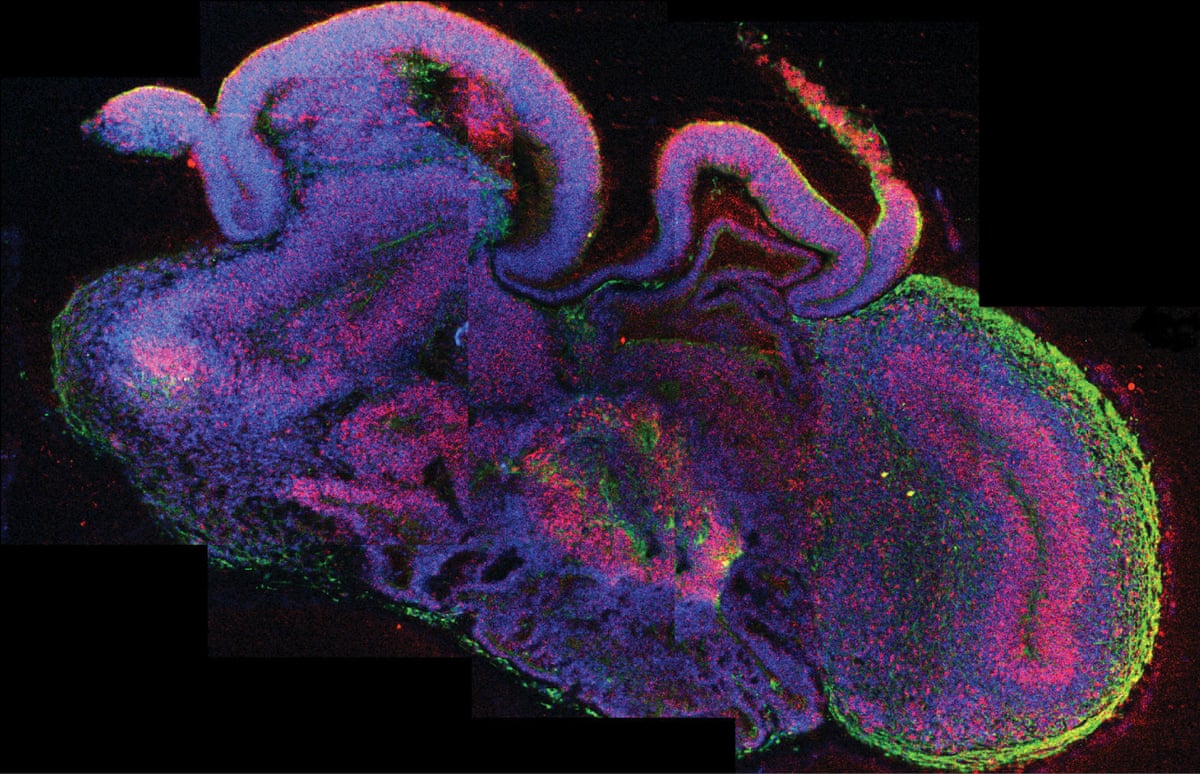
The hub will coordinate with scientists across the country to build a library of standardised, validated organoids that can be shared with academic researchers and pharmaceutical companies working to bring new drugs to market. Zilbauer’s team will begin by focusing on organoids linked to inflammatory bowel conditions such as ulcerative colitis and Crohn’s disease, while other groups will grow tumour organoids to inform cancer treatment and brain organoids to study neurological disorders.
According to the University of Cambridge, organoid research of this kind has already contributed to personalised treatment studies for cystic fibrosis and other conditions, suggesting the new hub builds on an established track record rather than starting from scratch.
What other technologies complement this research?
Beyond organoids, the government’s broader strategy to reduce animal use in research also relies on tools such as organ-on-a-chip systems and artificial intelligence to model biological processes and analyse data. Innovate UK has awarded a further £2m across nine projects aimed at cutting the number of animals, including dogs and monkeys, used in safety testing.
One recipient, VivoSphere, is developing heart cells grown in tiny gel spheres to test cardiac safety, an approach that traditionally requires 50 to 100 animals such as guinea pigs, rabbits and dogs.
“If something is going to fail, there’s a lower risk for the animals and also for the patients,” said Yuan Tian, VivoSphere’s chief technology officer.
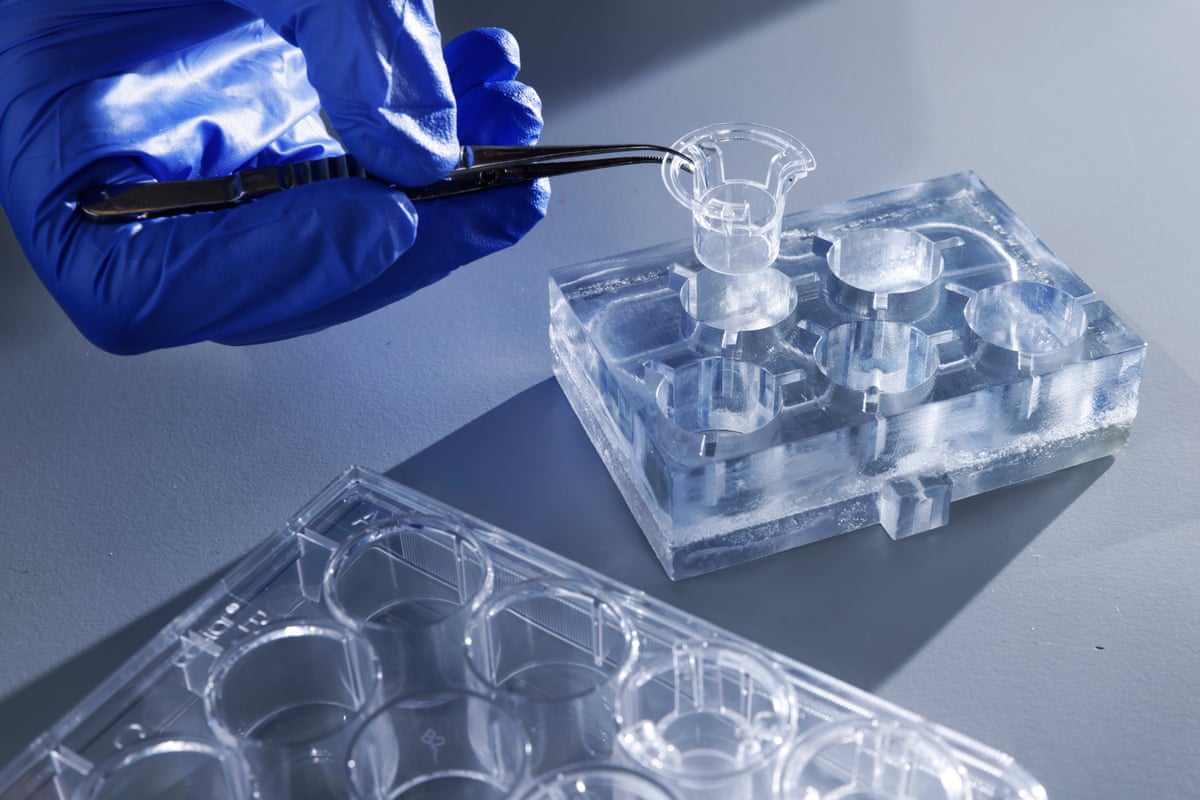
Organ-on-chip technology is also expanding beyond drug toxicity work. The UK Health Security Agency says such systems are now being developed for research into cancer, radiation exposure, chemical exposure and infectious disease, in addition to their established use in testing drug safety. Separately, Queen Mary University of London opened one of Europe’s largest organ-on-a-chip facilities in 2025, using living cells embedded in miniature bioengineered plastic chips designed to replicate organ features.
What is the history behind this approach?
Organoids have been grown from human cells for more than a decade, with studies showing that fragments smaller than a millimetre can replicate key features of full-scale organs, including how they deteriorate with disease and respond to treatment. The National Centre for the Replacement, Refinement and Reduction of Animals in Research has supported this line of research for years and awarded scientist Toshiro Sato its 3Rs Prize in 2014 for pioneering organoid techniques.
As early as 2017, the European Patent Office reported that miniature versions of human intestines, livers, kidneys and other organs were already in use in drug development, cancer research and personalised medicine. Harvard’s Wyss Institute describes organ-on-chip devices as microfluidic systems that recreate human organ structure and function without involving either humans or animals in the testing process, while a review hosted by the National Institutes of Health notes that organoids are three-dimensional structures derived from human stem cells or patient tissue that recapitulate the structure and function of real organs.
Government figures cited in the source reporting show that last year there were fewer procedures involving animals in Britain than in 2024, a fall of 3.8%. More than 90% of those procedures involved mice, rats, fish and birds, while about 1% involved specially protected species such as cats, dogs, horses and monkeys.
What happens next?
The strategy forms part of a wider plan drawn up under Keir Starmer’s government to accelerate the reduction of animals in research through so-called “new approach methodologies”, including organoids, organ-on-a-chip systems and AI-based modelling. According to a 2025 report, US agencies including the National Institutes of Health, the Food and Drug Administration and the Environmental Protection Agency are also moving to reduce reliance on animal testing, a trend that is expected to increase demand for human-derived mini-organ models such as those being developed in Cambridge.
Dr Juliet Dukes, of the charity Replacing Animals in Research, said the potential extends beyond replacing animal tests.
“One of the huge advantages of organoids, organs-on-a-chip and other in vitro microphysiological systems is that, unlike animal models, they have real potential to deliver the promise of truly personalised medicine for individual patients. It is all very exciting.”
Key Facts
- A £20m Medical Research Council-funded hub in Cambridge will grow standardised human organoids for drug testing.
- Researchers will initially focus on inflammatory bowel disease, cancer and neurological conditions.
- A further £2m from Innovate UK is funding nine projects to reduce animal use in safety testing, including VivoSphere’s gel-sphere heart cell method.
- Animal procedures in Britain fell 3.8% last year compared with 2024, with more than 90% involving mice, rats, fish and birds.
- US regulatory agencies including the FDA and EPA are also moving away from animal testing, according to a 2025 report in Nature.