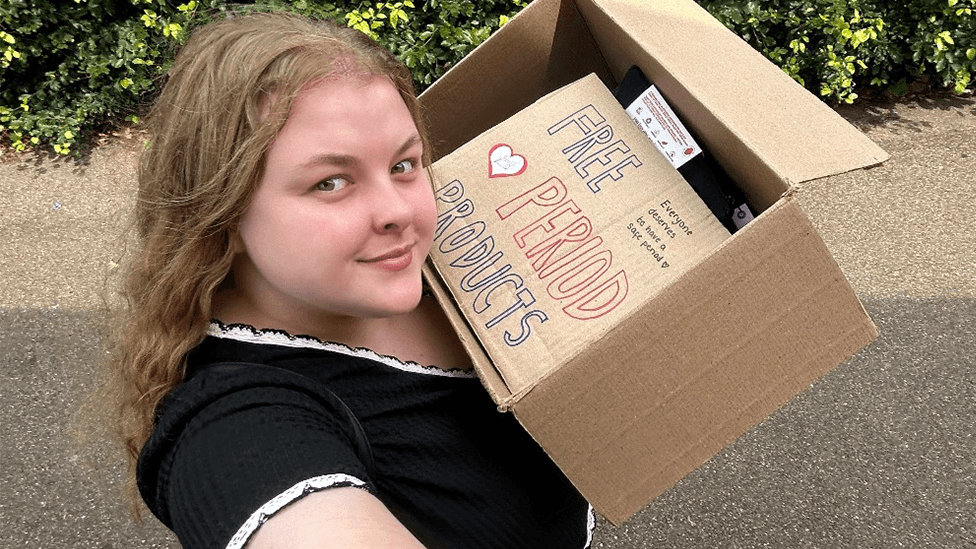
A secondary school's decision to escort some pupils to the toilet could discourage them from seeking help for menstruation and other health concerns, according to a period health campaigner.
Molly Fenton, founder of the Love Your Period campaign, has raised concerns about the policy introduced at Ebbw Fawr Learning Community in Blaenau Gwent. According to BBC News, the school implemented the measure in response to significant vandalism and pupils spending excessive time away from lessons. Fenton warned that the arrangement puts students "at risk" and could worsen existing stigma around toilet use in schools.
The school initially informed parents that all secondary-age pupils requesting toilet access during lessons would be accompanied by a member of the pastoral team to the entrance of the toilet block. Following consultation with 50 pupil representatives, the school revised the policy to apply only to pupils at stage three of its behaviour policy or those with persistent attendance problems.
According to the South Wales Argus, the arrangements operate only during the lesson following morning break and the lesson after lunch, with four pastoral managers escorting pupils to the toilet block but not entering the toilet area itself. The school also confirmed that pupils with documented medical issues receive passes allowing them to leave lessons to use the toilet when needed, and the arrangements apply only to the secondary phase.
Fenton, 24, from Cardiff, expressed shock at the proposal. She explained that during her own schooling, she would have avoided using toilets entirely if a chaperone had been required, particularly given her reluctance to discuss menstruation with staff.
"I started the period of campaigning when I was in school, if I had to have a chaperone come to the toilet with me, I probably would not have gone to the toilet at all as someone that was not comfortable enough to talk about periods," she said.
Fenton warned that the policy risks elevating existing stigmas around toilet use to "a whole new level". She highlighted that many young people already avoid using school toilets due to embarrassment, a problem she experienced firsthand during her own education.
"We know there's already an issue with young people not going for the toilet in school. They're embarrassed. They're holding in their poo when they should be going. When I was in school, I had really, really harrowing periods. I was often in the school toilets, blood all over me, thinking, 'I don't actually know what to do in this moment and I'm stuck and I don't know who to go to, where to go. Can I go back to class like this?'"
She expressed concern that pupils would be unlikely to confide in a chaperone about sensitive health matters, a reluctance she attributed partly to reduced trust in authority figures following the pandemic. Fenton called for "culture change" to establish toilets as spaces free from shame and stigma.
What does Welsh health guidance say?
According to Welsh NHS continence guidance, learners should have open access to toilets throughout the school day, with particular attention to pupils with bladder or bowel difficulties and girls who are menstruating. This guidance underscores the importance of unrestricted toilet access for students with specific health needs.
Why did the school introduce the policy?
Ebbw Fawr Learning Community stated that the policy was designed to address costly vandalism and prolonged periods of absence from lessons. The school reported that damage to toilet areas by a small minority of pupils had resulted in thousands of pounds worth of repairs in recent months.
"To address costly vandalism and prolonged periods of absence from the classroom, the school wrote to parents several weeks ago to introduce [the] new toilets arrangement for secondary aged pupils. Sadly the vandalism to toilets by a small minority of pupils has resulted in thousands of pounds worth of damages over recent months."
The school noted that incidents of vandalism and unauthorised absence were most prevalent during the lessons either side of the lunch break, which informed the timing of the new arrangements. According to the South Wales Argus, the school encouraged pupils to use toilets before the affected lessons to minimise disruption.
What is the Welsh government's position?
The Welsh government confirmed that individual councils set school toilet policies, but emphasised that facilities must be "accessible to all learners throughout the school day, taking into account pupils' basic needs". This guidance reflects the tension between schools' operational concerns and pupils' health and dignity requirements.