Nearly 500 people have fallen ill in a salmonella outbreak linked to imported eggs, according to UK health authorities who have now identified three distinct genetic clusters of the infection. The total stands at 474 confirmed cases, with two deaths recorded among those affected.
The UK Health Security Agency initially reported 207 cases in mid-August, a figure that rose to 259 by late August, and the identification of two additional clusters has brought the cumulative total to 474. According to the latest UKHSA update on 25 August 2026, the outbreak now encompasses three separate genetic strains: t5.9411, t0.24068 and t5.9765.
The outbreak spans a considerable timeframe, with some cases dating back to August 2025, though the majority have emerged in recent weeks and months. All cases involve bacteria that are nearly genetically identical, pointing to a shared food source. According to UKHSA's published report, the outbreak is phylogenetically linked to a previous 2025 outbreak that was also associated with imported eggs.
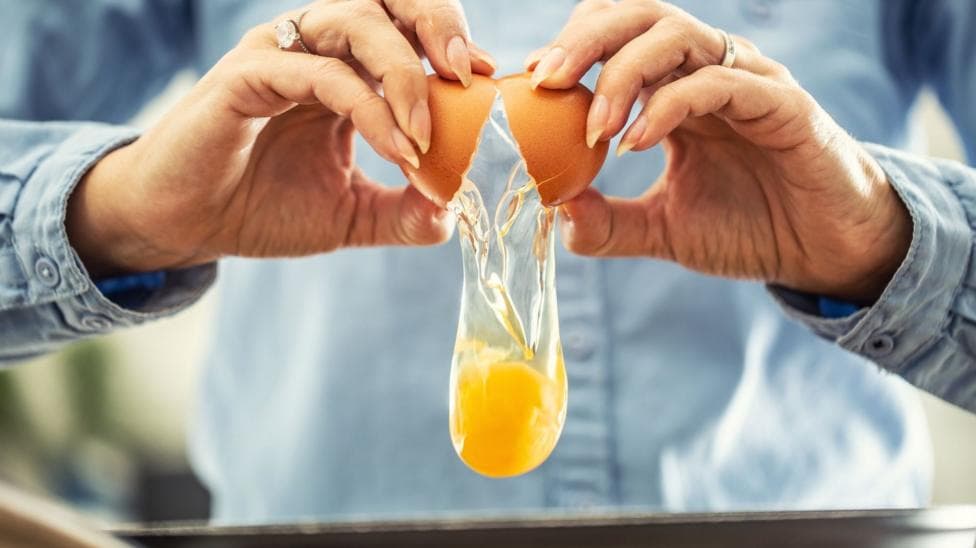
Investigations have revealed that people became ill after consuming food prepared by restaurants, cafés and takeaway businesses rather than from cooking eggs at home. When 114 people involved in the outbreak were questioned, eggs emerged as the strongest common exposure signal. Food businesses were supplied by eggs from multiple sources, including egg importers, though no identified link exists to UK-produced eggs or poultry.
The outbreak has been declared nationally and was not associated with international travel. Of the 207 cases in the initial phase, only six individuals reported travel outside the UK, indicating the outbreak was predominantly domestically acquired.
How the outbreak is distributed
The majority of cases have been recorded in England, with significant numbers in London and Yorkshire and Humber. A smaller number of cases have appeared in Scotland, Wales and Northern Ireland. The three genetic clusters show different prevalence patterns: 259 confirmed cases are linked to t5.9411 with one death, 38 confirmed cases and one death are linked to t5.9765, and 177 confirmed cases are associated with t0.24068.

Who has been most severely affected?
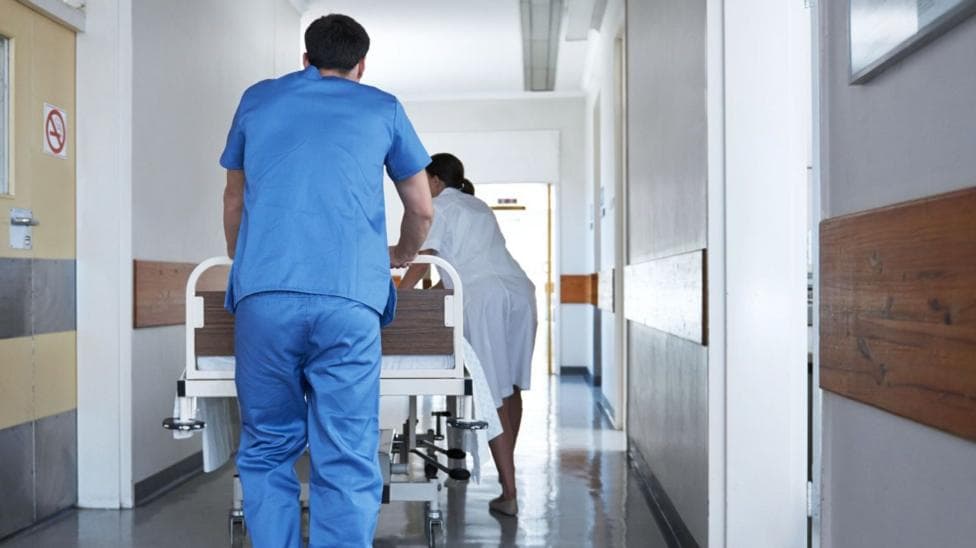
More than a third of those who fell ill in the UK—ranging in age from babies to people as old as 92—have required hospital care. However, most people recover without treatment. Older people, babies and those with weakened immune systems face the greatest risk of severe disease.
What is the European picture?
Salmonella cases linked to this outbreak have been identified across multiple European countries. Austria has reported 2 cases, Belgium 15, Denmark 1, France 4, Germany 6 and the Netherlands 106. Investigations in the Netherlands have suggested a link with chicken meat rather than eggs, indicating a potentially different exposure route in that country.
What are the symptoms and how long do they take to appear?
Symptoms of salmonella infection include stomach cramps, diarrhoea, vomiting or fever. These typically develop between 12 and 72 hours after infection occurs. Anyone concerned about symptoms should contact their GP or out-of-hours service. Salmonella can be found in various food sources including raw or undercooked poultry, meat and eggs.
How can people protect themselves?
Thorough preparation and cooking of food can prevent infection, as can washing hands after using the bathroom and before handling food. Experts advise that it is safe to buy and eat eggs bearing a British Lion mark or produced under the Laid in Britain egg assurance scheme. Any suppliers of British Lion mark eggs must adhere to a strict code covering testing and vaccinating hens against salmonella.
Prof Ian Young from the Food Standards Agency stated:
We continue to work closely with the UK Health Security Agency and other partners to investigate outbreaks of Salmonella Enteritidis. The exact causes of these outbreaks have not yet been identified, but investigations so far have identified links to imported eggs. There is no evidence that UK-produced eggs are affected.
The UKHSA added:
We will continue to follow up cases and investigate any further common sources if they come to light.
What happens next?
Investigations remain ongoing as authorities work to identify the precise source of contamination. The Food Standards Agency has stated it will not hesitate to take action if needed to ensure products on the market are safe for consumers. UKHSA and the Food Standards Agency say investigations will continue through food chain analysis and outbreak work. The latest published update was dated 25 August 2026, with surveillance and reporting already underway for further developments.
Key facts
- 474 confirmed cases identified across three genetic clusters (t5.9411, t0.24068 and t5.9765), with 2 deaths recorded
- Cases span from August 2025 to August 2026, with the majority occurring in recent weeks and months
- Outbreak linked to imported eggs used by food service and catering businesses; no evidence of UK-produced egg involvement
- More than one-third of UK cases required hospital care; vulnerable groups including babies, elderly and immunocompromised individuals at highest risk
- Cases identified across England, Scotland, Wales and Northern Ireland, with additional cases in Austria, Belgium, Denmark, France, Germany and the Netherlands