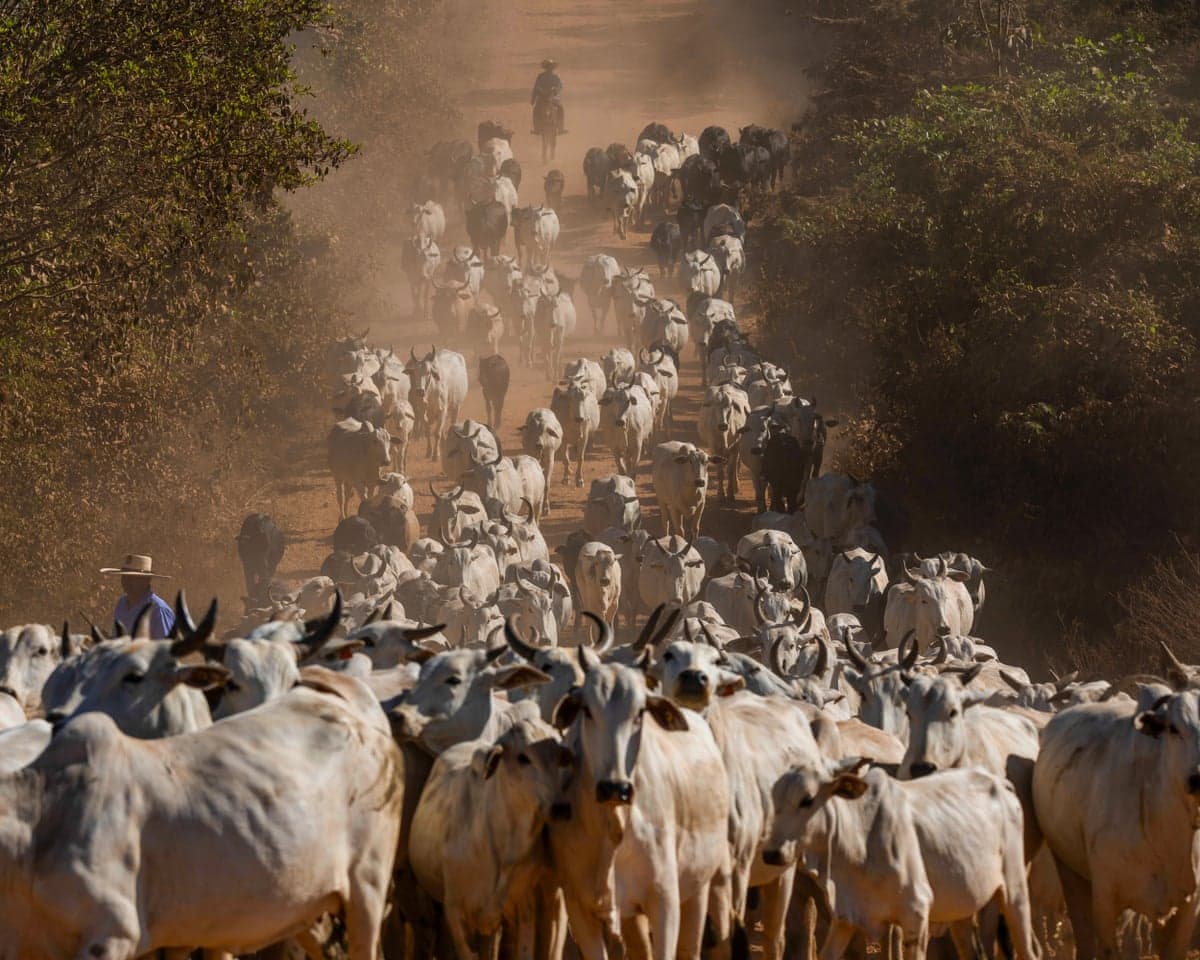
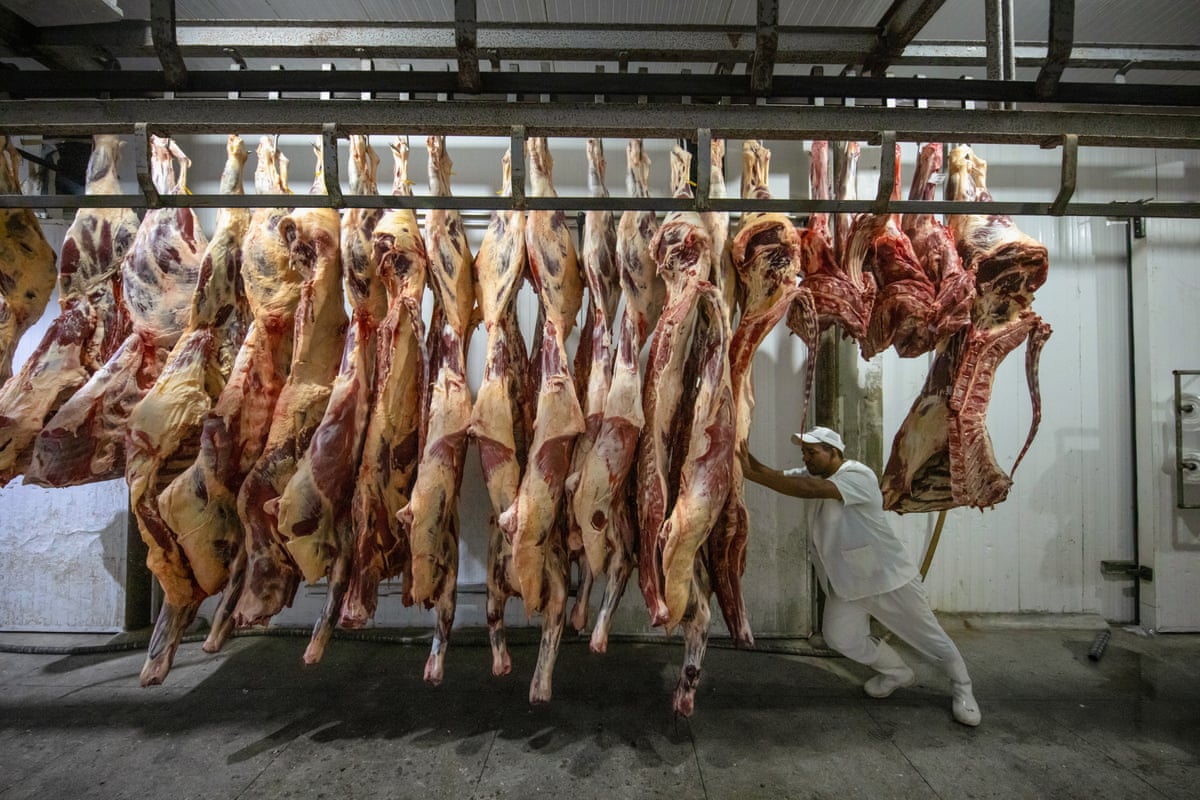
Major farming organisations and animal health specialists across the UK have called for an immediate prohibition on Brazilian meat imports, citing serious concerns about antimicrobial resistance linked to the routine use of antibiotics in livestock production. The National Farmers' Union in England and its counterparts in Scotland, Wales and Northern Ireland wrote to the government on Friday to warn that public health faced a significant threat. This demand comes as the European Union prepares to implement its own restrictions on Brazilian animal products, though the UK's post-Brexit independence means it can chart a different course.
The core issue centres on Brazil's failure to demonstrate compliance with EU standards governing antimicrobial use in cattle and poultry farming. Despite the Brazilian government introducing new regulations to tighten controls on exports, an investigation by the Irish Farmers Journal and the Irish Farmers' Association revealed that farmers in Brazil retained easy access to antibiotics classified as highest-priority critically important in human medicine, often without requiring a veterinary prescription.
Antibiotic resistance represents one of the most pressing global health challenges. Cóilín Nunan, of the Alliance to Save Our Antibiotics, emphasised the scale of the crisis:
The rise of antibiotic resistance is a global health crisis. Each year it is directly responsible for about 1.14m deaths and associated with 4.71m deaths.He added that resistant pathogens can spread internationally through food products, raising questions about why the UK continues to import meat from countries permitting intensive use of critically important antibiotics on farms.
Why is this happening now?
The European Commission confirmed on 12 May 2026 that Brazil would not be listed as an authorised exporter for animal products because it had not demonstrated compliance with EU antimicrobial rules. EU rules bar antimicrobials reserved for human medicine and growth-promotion use in animals, standards that already apply to EU producers. The restrictions are scheduled to take effect on 3 September 2026.
Trade flows have shifted dramatically since the UK left the European Union. Imports from Brazil to the UK have surged from approximately £3 billion in 2021 to £5 billion in 2025, with meat representing a substantial portion of that total. Farmers worry that as the EU market closes to Brazilian meat exports, significantly larger volumes will be redirected to the UK market.
What is the UK government's position?
Rather than immediately following the EU's lead, the UK has decided to keep importing Brazilian meat for now while completing its own evaluation of Brazil's antimicrobial controls. The Department for Environment, Food and Rural Affairs confirmed it has sought urgent information and assurances from Brazil as part of a rapid assessment of beef and poultry production systems to ensure compliance with UK food and animal welfare standards.

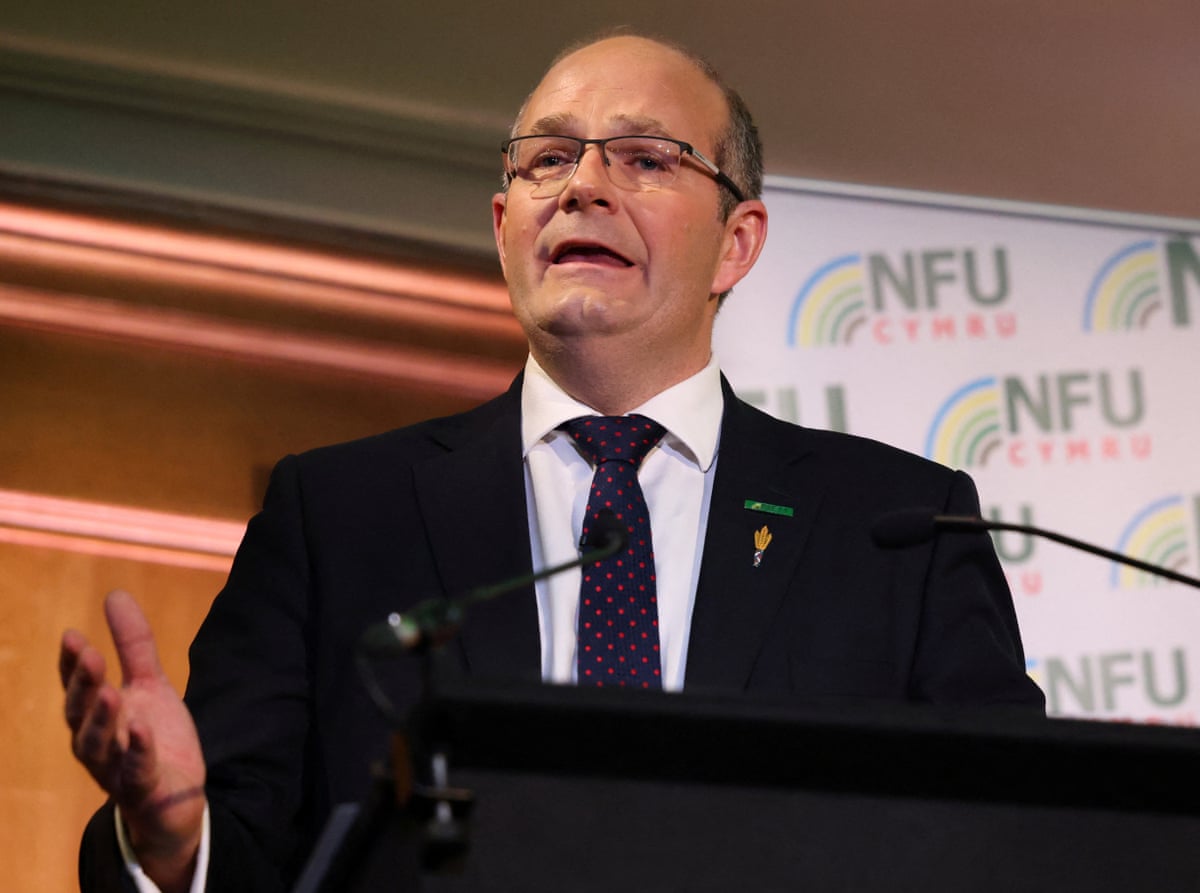
Tom Bradshaw, president of the NFU, met with Angela Eagle, the secretary of state for the Department for Environment, Food and Rural Affairs, in July to demand a ban, but the government has so far declined to implement one. The UK's technical review is expected to run until December 2026, after which a ban could begin in February 2027 if Brazil is found non-compliant.
A Defra spokesperson stated:
Our experts have sought urgent information and assurances from Brazil as part of a rapid assessment of beef and poultry production systems to ensure our high food and animal welfare standards are being met, while closely monitoring market impacts of the EU ban. This government will always act to protect our farmers and the public with our world-leading robust import controls which are in place to protect animal and public health.
What are the farming organisations saying?
In their letter to Eagle, the NFU's presidents argued that maintaining public health represents a fundamental government responsibility. They emphasised that UK farmers have invested significantly in reducing antibiotic use and maintaining some of the world's highest production standards, and that the same expectations should apply to imported food.
Ensuring the health and safety of the nation is a core responsibility of any government and the UK has long recognised the importance of maintaining high standards. UK farmers have worked hard to cut antibiotic use and maintain some of the highest production standards in the world – we should demand the same of our imported food. Failure to act will not only expose the nation to a public health risk, but damage consumer confidence in beef and poultry as a whole.
The NFU publicly urged a precautionary ban on Brazilian beef and chicken imports on 27 August 2026, reflecting growing frustration with the government's cautious approach. Liz Webster, a beef farmer in Wiltshire and campaigner against antimicrobial resistance, framed the issue as a test of Britain's commitment to food safety standards:
This is a test of whether Britain genuinely intends to rebuild Europe's shared food-safety perimeter or preserve Brexit divergence.
Why does this matter beyond farming?
The government faces mounting pressure on food safety following an outbreak that killed at least one person and made more than 200 people ill earlier this month. The divergence from EU standards on Brazilian meat imports creates additional complications for intra-UK trade with Northern Ireland, which under post-Brexit agreements follows EU rules on food and farming. This regulatory split could also hamper trade negotiations that the prime minister is pursuing as an economic priority.
Brazil's government announced a new export-control system on 1 July 2026 in an attempt to address international concerns about antimicrobial standards. However, farming organisations and health experts argue that these measures remain insufficient to guarantee compliance with the strictest international standards.
What happens next?
The EU's new import requirements for animal products take effect on 3 September 2026, formally excluding Brazilian meat from the European market. The UK's technical assessment is expected to conclude by December 2026. If UK authorities determine that Brazil has not provided sufficient assurances on antimicrobial controls, imports could face a ban beginning in February 2027. The Brazilian government has been contacted for comment on these developments.
Key Facts
- UK farming organisations called for an immediate ban on Brazilian meat imports over concerns about routine antibiotic use in livestock production
- Brazil failed to demonstrate compliance with EU antimicrobial standards, leading to EU restrictions taking effect on 3 September 2026
- UK imports from Brazil have risen from £3 billion in 2021 to £5 billion in 2025, with meat as a major component
- The UK's own technical review will conclude by December 2026, with a potential ban possible from February 2027
- Antibiotic resistance is directly responsible for approximately 1.14 million deaths annually and associated with 4.71 million deaths