Pennsylvania has recorded two deaths from measles among unvaccinated residents, marking the first measles fatalities in the United States during 2026 and the first in Pennsylvania in 35 years, state health officials confirmed. The deaths occurred in Lancaster County, where vaccination rates remain significantly below the threshold needed to prevent widespread transmission.
The state has documented 393 confirmed measles cases across 28 counties this year, contributing to a national surge that has reached its highest level in more than three decades. According to local reporting, Lancaster County alone had accumulated 104 measles cases by early August, positioning it as the seventh-ranked county in the nation for measles incidence.
Nationally, the United States has recorded 2,777 confirmed measles cases through the first seven months of 2026, a substantial increase from the previous year's total of 2,289 cases. This escalation reflects a troubling trend in immunisation coverage, as vaccine hesitancy has grown across the country in recent years.
Why are vaccination rates so low in the affected area?
Only 85 percent of kindergarten-age students in Lancaster County have received the measles vaccine, falling well short of the 95 percent immunisation rate epidemiologists consider necessary to establish herd immunity and protect vulnerable populations, including immunocompromised individuals who cannot be vaccinated. This gap has created conditions favourable for the virus to spread rapidly through communities with concentrations of unvaccinated people.
The outbreak in Lancaster County represents a continuation of measles activity that began earlier in the year. Pennsylvania's first measles outbreak of 2026 was confirmed in early February when five cases were identified in the county, signalling the beginning of what would become a sustained transmission event.

What protection does vaccination offer?
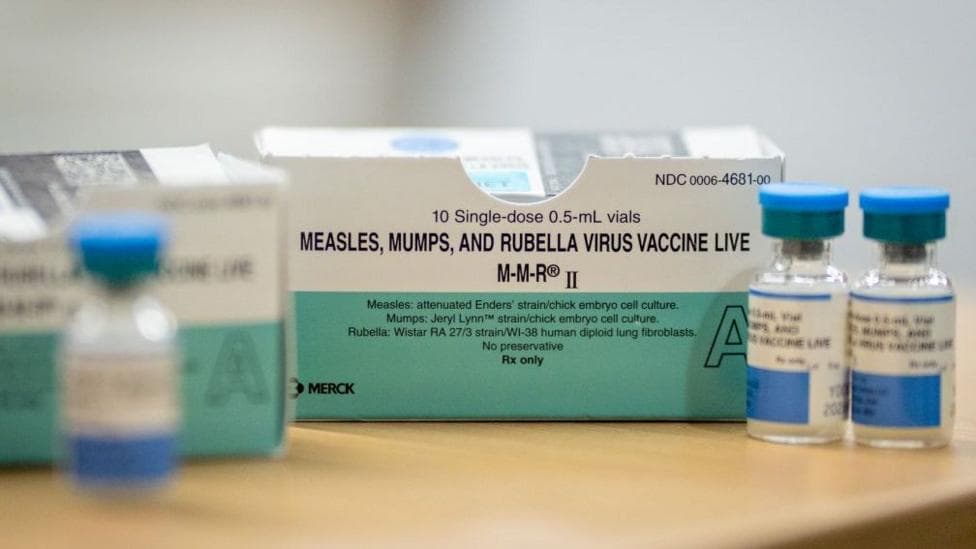
The mumps, measles and rubella (MMR) vaccine provides the most effective protection against measles infection and its severe complications, including death. The United States recommends two doses administered to children between ages one and six, a regimen that achieves 97 percent effectiveness in preventing the illness.
My deepest sympathies are with the loved ones who are facing this unimaginable loss. Because measles was largely eliminated in the Commonwealth for more than three decades, people are not familiar with this disease and don't fully understand the potential severity of the illness.Pennsylvania Secretary of Health Debra Bogen made this statement in response to the deaths. The health department declined to release additional information regarding the identities of the deceased.
How does this compare to recent outbreaks elsewhere?
The Pennsylvania deaths reflect a broader resurgence of measles across multiple regions. According to , the Pennsylvania fatalities represent the first measles deaths recorded in the United States in 2026. In the previous year, Texas experienced a significant outbreak that resulted in two unvaccinated children dying and infected more than 1,000 people, predominantly children. International outbreaks have also claimed lives; measles deaths have been documented in England amid ongoing transmission events in that country as well.
What policy changes are affecting vaccination rates?
Recent federal actions have raised concerns among public health experts about the trajectory of measles prevention efforts. Earlier this month, President Donald Trump signed an executive order that calls for reducing the number of childhood vaccinations and recommends dividing the MMR vaccine into three separate injections rather than administering it as a single combined shot. Public health specialists have expressed worry that this order will generate confusion regarding a vaccine that has an established safety record and proven effectiveness, potentially increasing costs and complicating vaccination schedules.
This executive order followed a series of vaccine policy modifications undertaken by Health Secretary Robert F. Kennedy Jr. over the past year, including changes to the childhood vaccination schedule. Many of these alterations were blocked by a federal judge earlier in 2026. Kennedy, who has expressed scepticism toward vaccines, has communicated inconsistent messaging about the MMR vaccine, at times endorsing it while at other times promoting unproven claims about its safety.
What is the status of US measles elimination?
The United States faces the prospect of losing its official status as a country that has eliminated measles. An international expert panel is scheduled to reassess the nation's measles elimination status in November, a determination that will be based on analysis of current epidemiological data and transmission patterns. Canada lost its measles elimination status in the previous year, serving as a cautionary example of how sustained transmission can reverse decades of progress in disease control.
Key Facts
- Pennsylvania has confirmed 393 measles cases across 28 counties in 2026, with two deaths among unvaccinated residents in Lancaster County.
- The United States has recorded 2,777 measles cases in 2026, the highest number in 35 years, up from 2,289 cases in 2025.
- Lancaster County's vaccination rate of 85 percent falls below the 95 percent threshold required for herd immunity protection.
- The MMR vaccine is 97 percent effective when administered as the recommended two-dose regimen to children aged one to six.
- An international panel will determine whether the United States retains its measles elimination status in November 2026.