US President Donald Trump has announced plans to speak with Russian counterpart Vladimir Putin regarding the death of a laboratory worker at a plague research facility in Siberia. Trump indicated that substantive discussions were already underway and that he would likely provide an update on his conversation with Putin on Thursday.
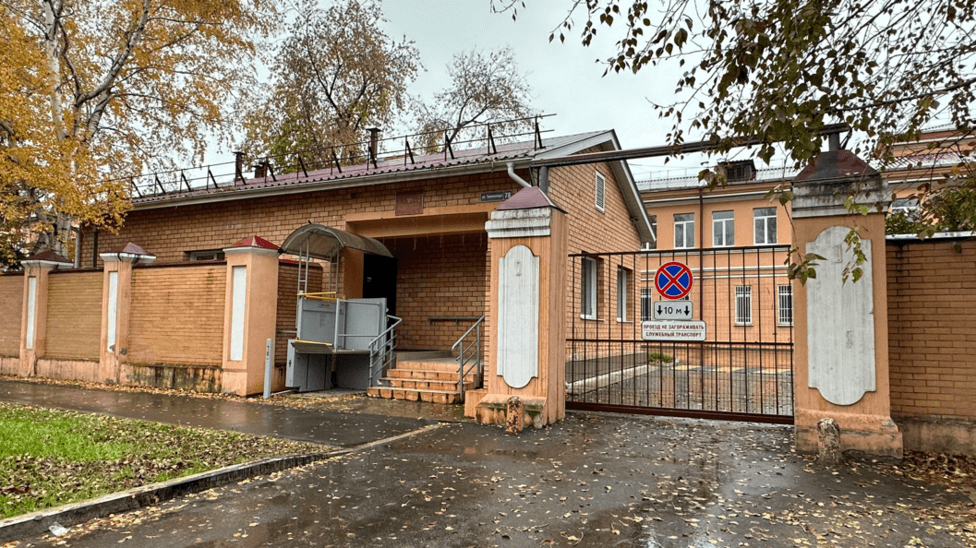
The deceased, identified in Russian media as Darya Shipilova, was a 28-year-old employee at the Anti-Plague Institute of Siberia and the Far East, located in the city of Irkutsk. According to reports, she fell ill several days before her death. She was hospitalized on 29 September and died at a hospital in Shelekhov on 2 October.
Russian authorities have launched an investigation into the cause of her death. The country's health watchdog Rospotrebnadzor classified the death as resulting from pneumonia of undetermined origin. The agency stated that tests found no microorganisms associated with Shipilova's work and that no laboratory accident involving pathogenic microorganisms had been recorded at the institute.
Russian officials have emphasized that all individuals who came into contact with the victim tested negative for dangerous pathogens. Russia informed the WHO that an epidemiological investigation was underway into community-acquired pneumonia in an institute employee and that contacts' tests found no dangerous infectious-disease pathogens. A report indicated that two contacts tested positive for Covid-19 and two for rhinovirus, with no other infections detected.
What are the unconfirmed reports about the worker's illness?
Unverified accounts have suggested two possible scenarios for how Shipilova contracted her illness. One account claims she became ill after breaking a test tube containing a pathogen at the institute where she worked. Another suggests she fell ill following a field trip to a region where plague naturally occurs among wild rodents in the area.
Russian officials have downplayed these reports and have not confirmed that pneumonic plague was the cause of death.
What is pneumonic plague and how serious is it?
Pneumonic plague is a severe lung infection and represents the most virulent form of plague. According to the World Health Organization, the disease has an extremely short incubation period, sometimes lasting only 24 hours, and can prove fatal if not identified and treated promptly.
The bacterium responsible for plague, Yersinia pestis, is found naturally among rodents such as marmots in the Siberian region. Transmission to humans occurs through contact with bodily fluids or contaminated materials, or through inhalation of respiratory particles from infected individuals. Those affected typically experience shortness of breath and coughing, often accompanied by blood-tinged sputum.
Historically, this disease devastated Europe in the 14th century, when it was known as the Black Death and killed approximately half the population of the continent. The Anti-Plague Institute of Siberia and the Far East was established just over 100 years ago in response to an outbreak in the 1920s.
What is the international response to the incident?
The head of the World Health Organization, Tedros Adhanom Ghebreyesus, has called for Russia to provide transparent information about the situation.
Timely, complete and transparent information sharing under the International Health Regulations is essential to clarify conflicting reports and enable an accurate assessment of potential public health risks, he stated.
US Secretary of State Marco Rubio indicated that the United States has resources available to assist Russia should the situation prove more severe than currently reported.
How many people are under observation?
Reports that emerged on Friday indicated that nearly 200 individuals in Siberia's Irkutsk region were placed under observation following Shipilova's death. This precautionary measure was implemented as authorities investigated the circumstances surrounding her illness and death.
What happens next?
Trump stated that he anticipated reporting on his discussions with Putin on Thursday, though no specific calendar date was provided in his initial remarks. The outcome of these high-level discussions may influence the trajectory of international cooperation regarding the investigation and any public health measures deemed necessary.
Key Facts:
- Darya Shipilova, a 28-year-old laboratory worker at the Anti-Plague Institute of Siberia and the Far East in Irkutsk, died on 2 October following hospitalization on 29 September
- Russian authorities classified her death as pneumonia of undetermined etiology and have not confirmed pneumonic plague as the cause
- Nearly 200 people in the Irkutsk region were placed under observation; all contacts of the deceased tested negative for dangerous pathogens
- Pneumonic plague has an incubation period as short as 24 hours and can be fatal without prompt diagnosis and treatment
- The WHO has called for transparent information sharing and assessed the public health risk as low to moderate for the Irkutsk region