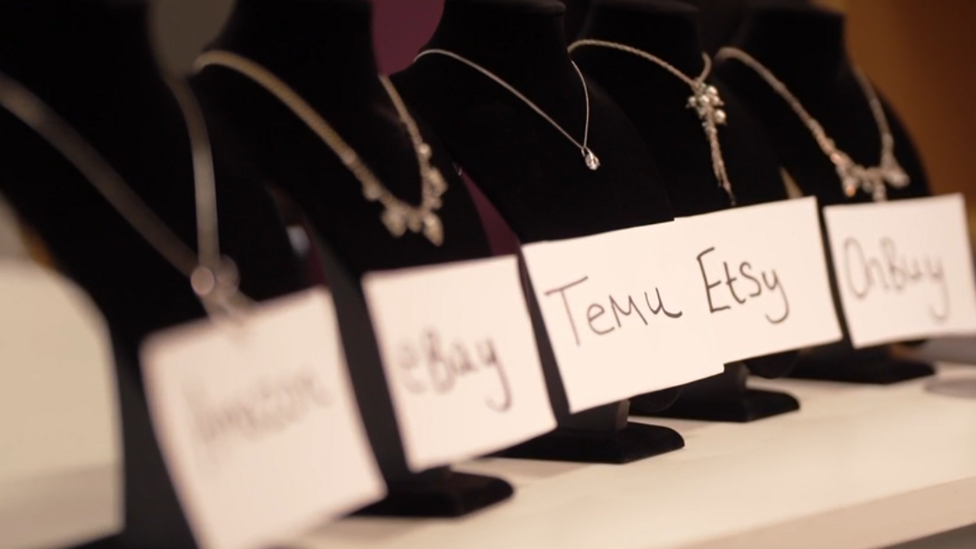
Jewellery marketed as sterling silver on major online marketplaces has been discovered to contain dangerous toxic chemicals, according to BBC News investigation by Watchdog on The One Show. Laboratory testing of 25 items purchased from Amazon, eBay, Temu, Etsy and OnBuy revealed that eight exceeded legal limits for cadmium, a carcinogenic substance linked to lung cancer. Only two of the 25 pieces could be verified as genuine sterling silver.
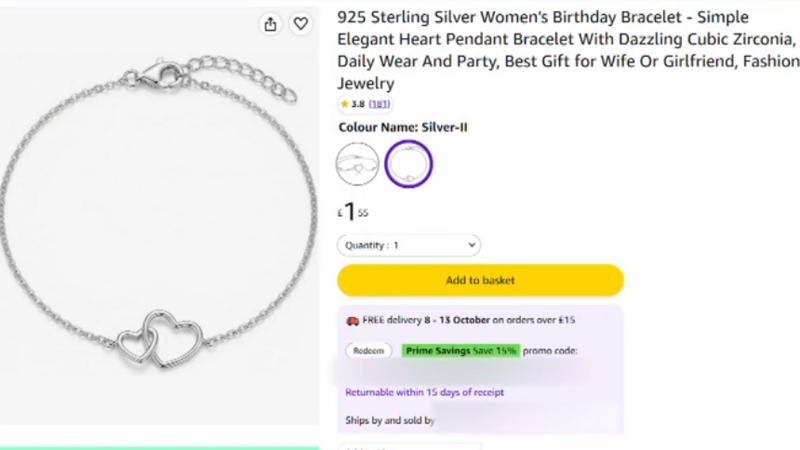
The investigation examined jewellery ranging from budget items such as a bracelet priced at £1.55 and earrings at £1.99 to higher-priced pieces. The Sheffield Assay Office conducted the analysis, finding that 23 of the 25 items contained less than the 92.5% silver required to qualify as sterling silver. Amazon, eBay, Temu and OnBuy confirmed they had removed the identified products and stated that misleading listings breach their policies. Etsy did not provide a response.
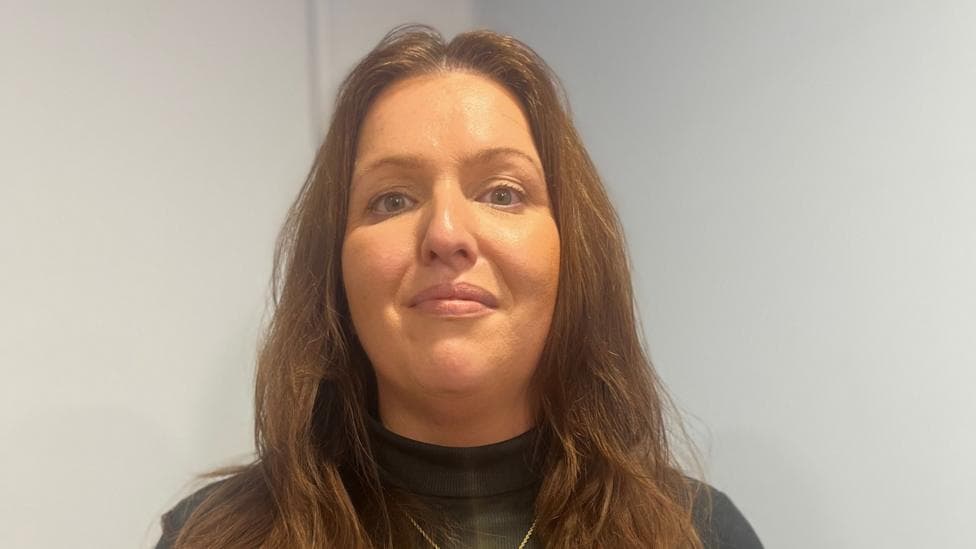
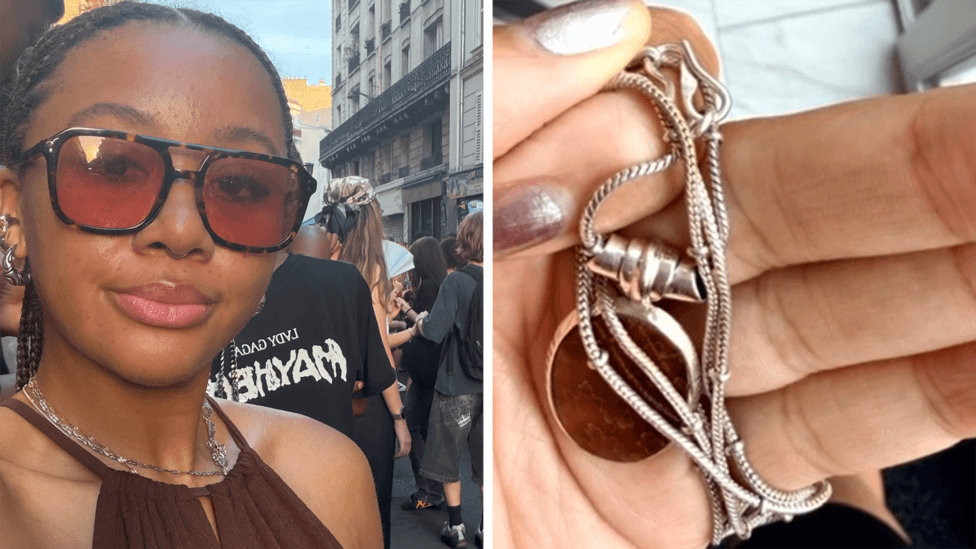
One shopper's experience illustrated the health risks posed by these products. Meranda, aged 34, purchased what was advertised as a handmade sterling silver necklace on Etsy for £15. Within days of wearing it, she experienced significant skin irritation on her neck.
"I remember looking at it as I took it off and thinking the colour on this doesn't look right."Testing revealed her necklace contained nickel, with concentrations reaching as high as 11% in parts of the chain—well above safe limits.
What toxic chemicals were found in the jewellery?
Eight of the 25 items tested exceeded the legal cadmium limit of 0.01% by weight, with some containing up to 10% cadmium. Sophie Langley, who led the analysis at the Sheffield Assay Office, described this as
"absolutely massive, relative to the limits we're adhering to."Cadmium poses serious health risks if inhaled or ingested. Rob Chilcott, a retired professor of toxicology, warned that
"If you put something containing cadmium in your mouth, or indeed if you swallow it, that is really bad news."The risk extends to everyday scenarios—for example, an earring could fall into food that is subsequently consumed.
Meranda's necklace, despite being hallmarked with the number 925 to indicate genuine sterling silver, contained only 8.9% silver in some sections. The testing also identified nickel in her necklace, another toxic chemical that causes skin irritation and is subject to strict legal limits on jewellery.
The distribution of contaminated items across platforms was significant: three came from Amazon, three from Temu, one from OnBuy and one from Etsy. In a separate investigation, the Sunday Times reported that a £2.99 Amazon ring advertised as 925 silver contained an estimated 92.3% cadmium—more than 9,000 times the UK limit.
Why is this a legal violation?
Selling jewellery falsely marked as sterling silver breaches the Hallmarking Act, which carries penalties including fines or imprisonment. UK rules limit cadmium in jewellery to 0.01% by weight; nickel release is limited to 0.5 micrograms per square centimetre per week for items in prolonged skin contact. The hallmark 925 on genuine sterling silver indicates the item must contain at least 92.5% pure silver, yet the investigation found this standard was routinely violated.
How are the marketplaces responding?
Temu stated that four of the five products it was asked about had already been removed through its monitoring systems; it removed the remaining item as a precaution. The platform said it had arranged independent testing and was reviewing similar products to identify and address potential risks. Amazon issued recall notices for the unsafe products identified by Watchdog and advised customers with concerns to contact the company for support. eBay similarly stated that customers should reach out for assistance. OnBuy offered affected customers refunds and initiated a recall of the cadmium-contaminated product. Etsy did not respond to requests for comment, though Meranda received a full refund after contacting the seller directly and speaking with Watchdog.
How can consumers identify genuine sterling silver?
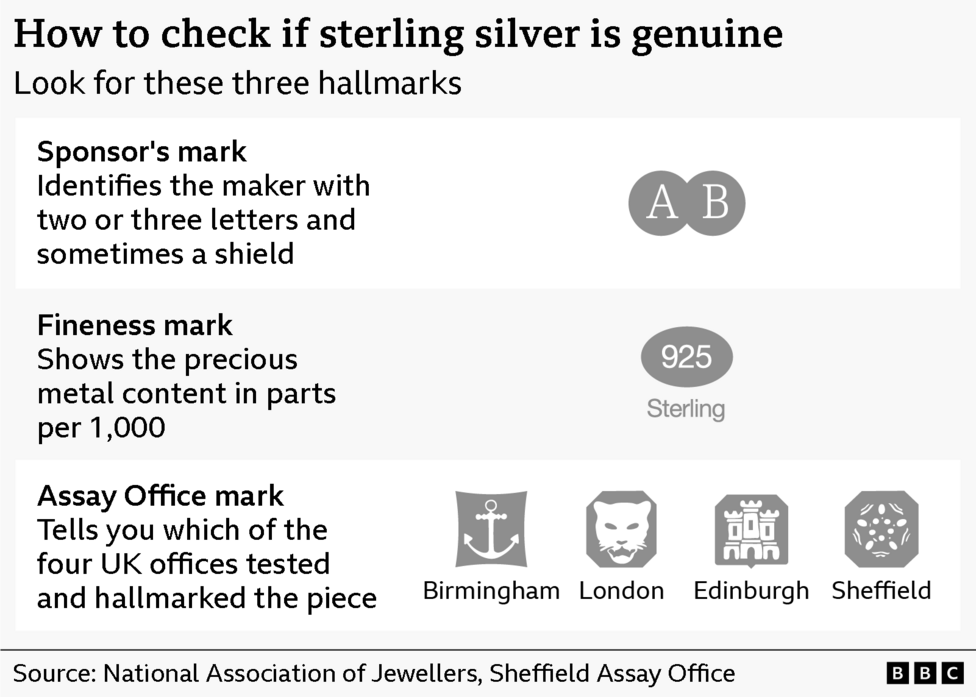
Genuine sterling silver jewellery should bear three hallmarks: a sponsor's mark identifying the maker with two or three letters; a fineness mark showing precious metal content in parts per 1,000 (925 for sterling silver); and an assay office mark indicating which UK office tested and hallmarked the item. However, the Watchdog investigation demonstrated that hallmarks alone cannot be trusted, as counterfeit items bore false 925 markings. Consumers should purchase from reputable retailers and be cautious of extremely low prices, which often indicate inferior or fraudulent products.
What happens next?
Temu indicated it would conduct additional independent testing and review similar products across its platform, though no completion date was specified. The investigation raises broader questions about the effectiveness of marketplace monitoring systems in preventing the sale of hazardous jewellery. This discovery follows a pattern of unsafe products reaching UK consumers through online marketplaces, highlighting ongoing gaps in product safety oversight.