

A senior transplant doctor has accused NHS England of causing widespread dysfunction in England's transplant services, calling for sweeping reform in a leaked letter obtained by reporters. Professor Derek Manas, medical director of NHS Blood and Transplant, criticised the national body for fostering a system marked by staff burnout, weak accountability and operations that are cancelled at short notice. The number of heart and lung transplants performed annually by the NHS has remained flat for three decades.
NHS England, which oversees health services across the country, responded that it was working to improve what it described as life-saving services.
What did the leaked letter say?
The letter, sent by Manas to NHS England and a small circle of patient advocates, described a system that has become fragmented and poorly accountable. While NHS Blood and Transplant is responsible for managing organ donations and supporting transplant centres, the commissioning and funding of these services falls to NHS England.
Manas pointed to a disconnect between hospital waiting lists, the supply of donated organs, surgical capacity and the availability of operating theatres. He warned this imbalance was producing unpredictable outcomes for patients.
"leading to last-minute cancellations [and] unpredictable utilisation of donated organs"
Earlier reporting in March highlighted that the United Kingdom, once a global leader in transplantation, has slipped behind other major Western nations specifically in heart and lung transplants, even though it continues to perform relatively well in areas such as kidney transplantation. Currently, only one in ten donated lungs and one in seven donated hearts are transplanted through the NHS — roughly half the rate achieved in some comparable countries. Investment in modern transplant technology has lagged, and the service continues to struggle with shortages of operating theatre space, intensive care beds and trained staff.
Notably, neither Wales nor Northern Ireland has its own heart and lung transplant centre, meaning patients from those nations typically travel to England for treatment. Scotland has just one heart transplant centre.
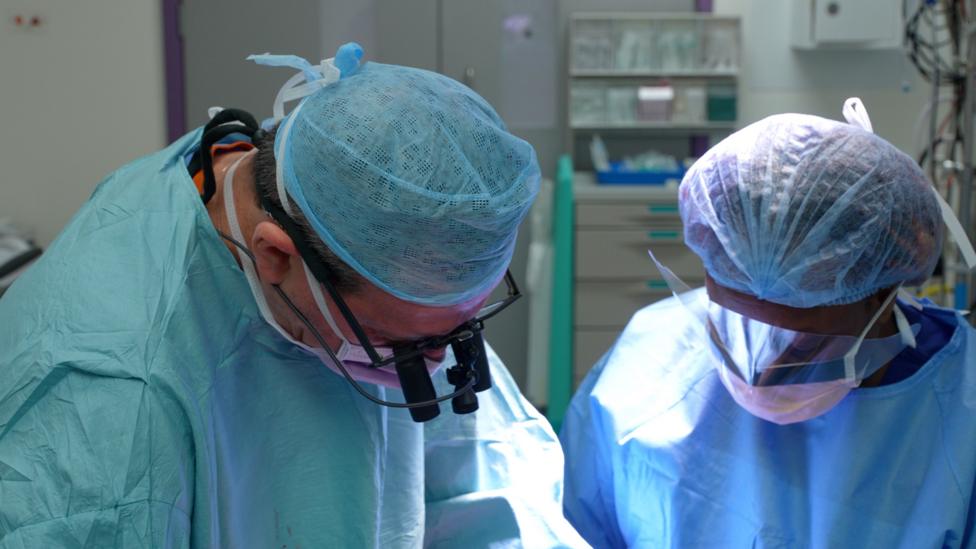
How unequal is access across the country?
Waiting times for a donor heart differ dramatically depending on which hospital a patient is treated at, ranging from as little as eight months to as long as four and a half years. Manas said NHS England had never actively managed these waiting lists and had rarely made efforts to ensure fairer access across regions.

"[NHS England had] never actively managed" waiting lists, and "seldom" tried to make it fairer."
Compounding these disparities, three of the six heart and lung transplant centres across the United Kingdom have lost their leading surgeon within the past two years, with many choosing to pursue opportunities overseas. Manas attributed this exodus to inadequate workforce planning, which he said has fuelled burnout, hampered recruitment and retention, and left the system increasingly dependent on the goodwill of remaining staff.
"inadequate" workforce planning had led to "burnout among transplant surgeons and teams, recruitment and retention difficulties [and] increasing reliance on goodwill. We have a system that assumes the consultant workforce will absorb pressure indefinitely."
These concerns were first raised in a 2024 report compiled by international experts and commissioned by the previous Conservative government. NHS England, which was charged with acting on the report's recommendations, said it has made efforts to improve patient outcomes, though surgeons and campaign groups say progress has been sluggish.
What reforms are being proposed?
Among those calling for structural change is Dr Zubir Ahmed, who served as the health minister overseeing transplantation until he resigned from Sir Keir Starmer's government in May 2026. Ahmed, the Glasgow MP and a practising kidney transplant surgeon, acknowledged that certain aspects of the UK's transplant system remain world class, particularly its status as free at the point of care.
"I don't think there is ever a need to cancel a transplant because of capacity issues"
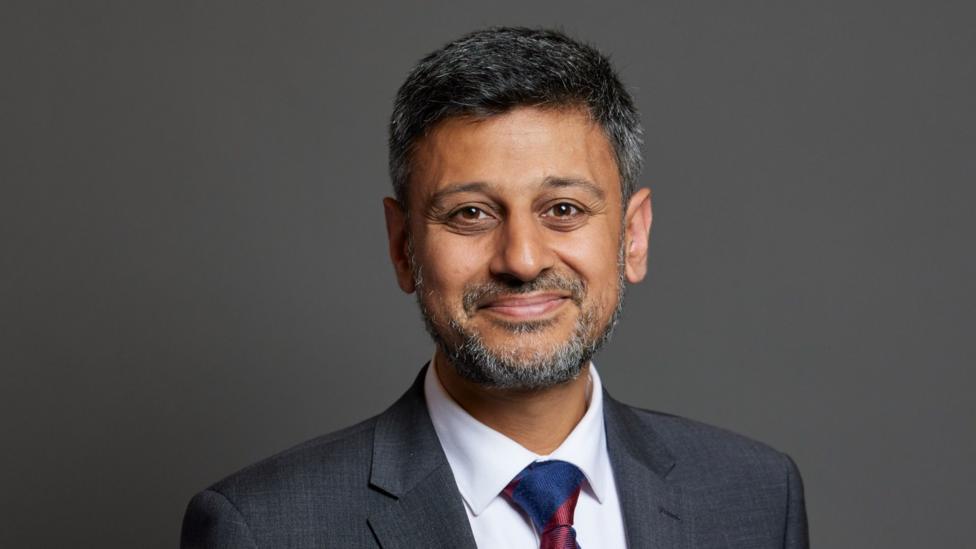
Ahmed argued that NHS Blood and Transplant should be given the authority to commission transplant services across the entire United Kingdom, a change he suggested could coincide with the government's planned dissolution of NHS England. He said such a shift would allow patients to be moved more quickly to wherever the organ they need becomes available.
In response, NHS England acknowledged that transplant services are shaped by numerous complex factors, including the overall supply of donated organs, but maintained that it is actively working to strengthen these services.
"NHS England is leading a programme of work which is already helping to increase the number of transplants, reduce variation, identify suitable patients earlier and improve access"
The debate over transplant capacity comes amid other recent developments in organ donation. In a case that illustrates both the promise and the strain within the system, Dáithí Mac Gabhann received a heart transplant after an eight-year wait, undergoing surgery in Newcastle upon Tyne. His family said he is now at the beginning of a long recovery process, a reminder of just how prolonged waiting times can be for patients even as officials debate systemic reform.
What happens next?
NHS England has signalled it intends to continue its existing improvement programme, but the pressure from senior clinicians like Manas, combined with political voices such as Ahmed's, suggests calls for structural change are unlikely to fade. With workforce shortages, regional inequalities in waiting times, and stagnant transplant numbers all cited as ongoing problems, the coming months are likely to see further scrutiny of how transplant services are commissioned and delivered across the UK.
Key Facts
- Heart and lung transplant numbers in England have not risen in 30 years.
- Only one in ten donated lungs and one in seven donated hearts are transplanted by the NHS, about half the rate in some other countries.
- Waiting times for a donor heart range from eight months to four and a half years depending on hospital.
- Half of the UK's six heart and lung transplant centres have lost their lead surgeon in the past two years.
- Dr Zubir Ahmed resigned as health minister responsible for transplantation in May 2026.


