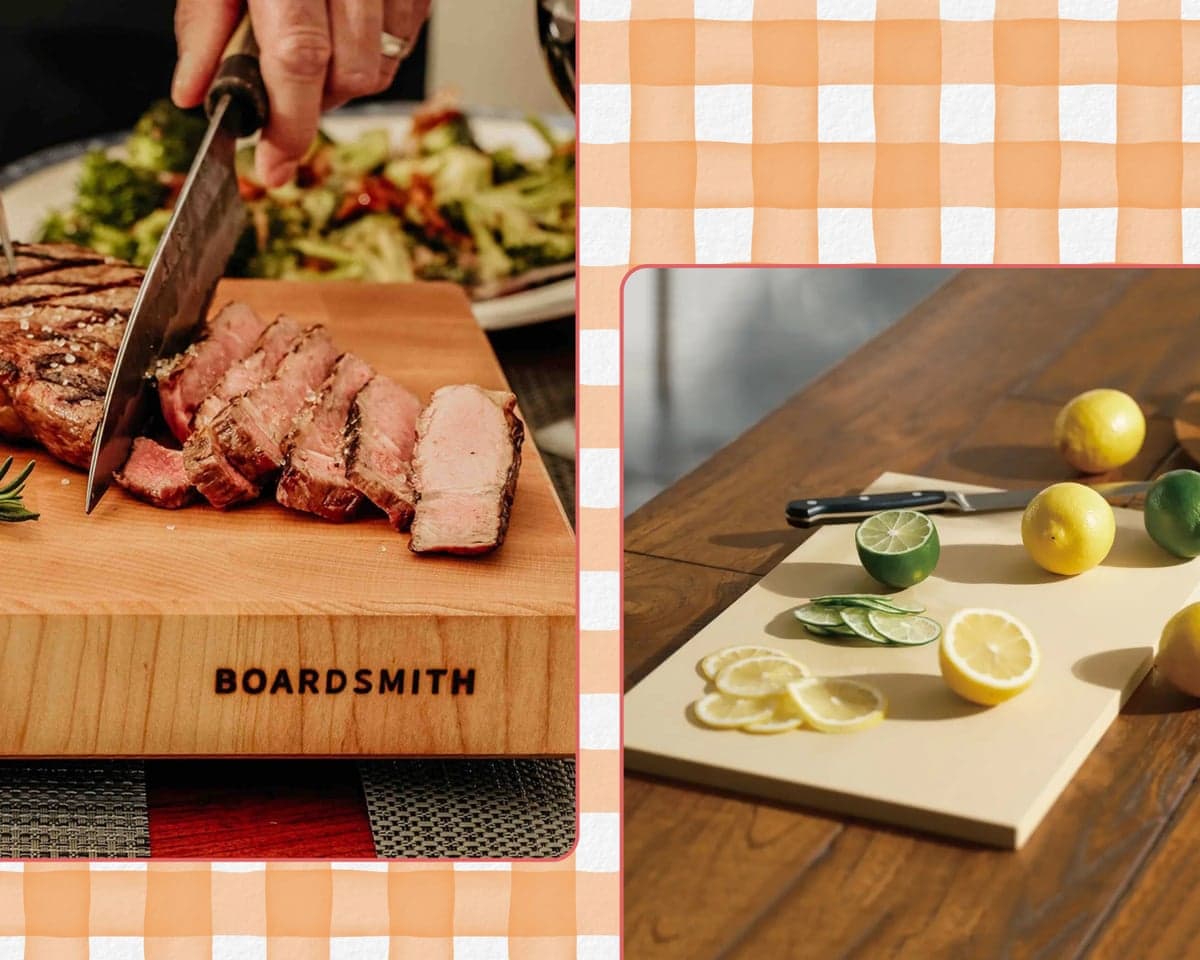
A dependable chopping board becomes a kitchen staple for years. After evaluating multiple non-plastic, non-toxic alternatives—including wood and synthetic rubber options—several standout choices emerged for cooks seeking to eliminate plastic from their food preparation.
The cutting board serves as the foundation for nearly every cooking task involving chopping, slicing, mincing, carving or serving. Beyond its primary function, it often becomes a temporary storage spot for other kitchen items while meal preparation unfolds.
While plastic boards offer affordability and convenience, they release significant quantities of microplastics into food during use. According to a 2023 study in Environmental Science & Technology, polypropylene boards released between 5–60% more microplastics than polyethylene by mass and 14–71% more by count during chopping. Though the full health implications of microplastic consumption remain under investigation, eliminating unnecessary exposure makes practical sense.
A common misconception holds that plastic boards are more hygienic than wood. However, research published in the Journal of Consumer Protection and Food Safety found only minor differences in microbiological counts between wooden and plastic chopping boards after thorough cleaning. Plastic boards also tend to sustain scratches more readily than their natural counterparts.

To help readers avoid plastics, an extensive evaluation tested multiple non-toxic, plastic-free cutting boards in a home kitchen setting. Superior chopping boards demonstrate sturdiness, gentleness on kitchen knives, ease of cleaning and versatility across different cooking tasks.
Why choose alternatives to plastic cutting boards?
The primary concern with plastic boards stems from laboratory research demonstrating that they shed microplastics during chopping, with the quantity increasing as boards age through repeated use. According to an NBC News explainer from September 2026, experts continue to recommend wood, rubber, silicone or composite boards as alternatives to plastic, though current evidence does not indicate excessive microplastic exposure from typical use. A 2025 review concluded that no plastic cutting boards can be considered entirely safe, as simulated microplastic release varies significantly by material and usage patterns.
Beyond microplastic concerns, selecting sustainable kitchen tools aligns with broader efforts to reduce waste in food preparation. For those seeking to eliminate plastic from their kitchens, choosing durable, eco-friendly cutting board materials represents one meaningful step toward a more sustainable household.
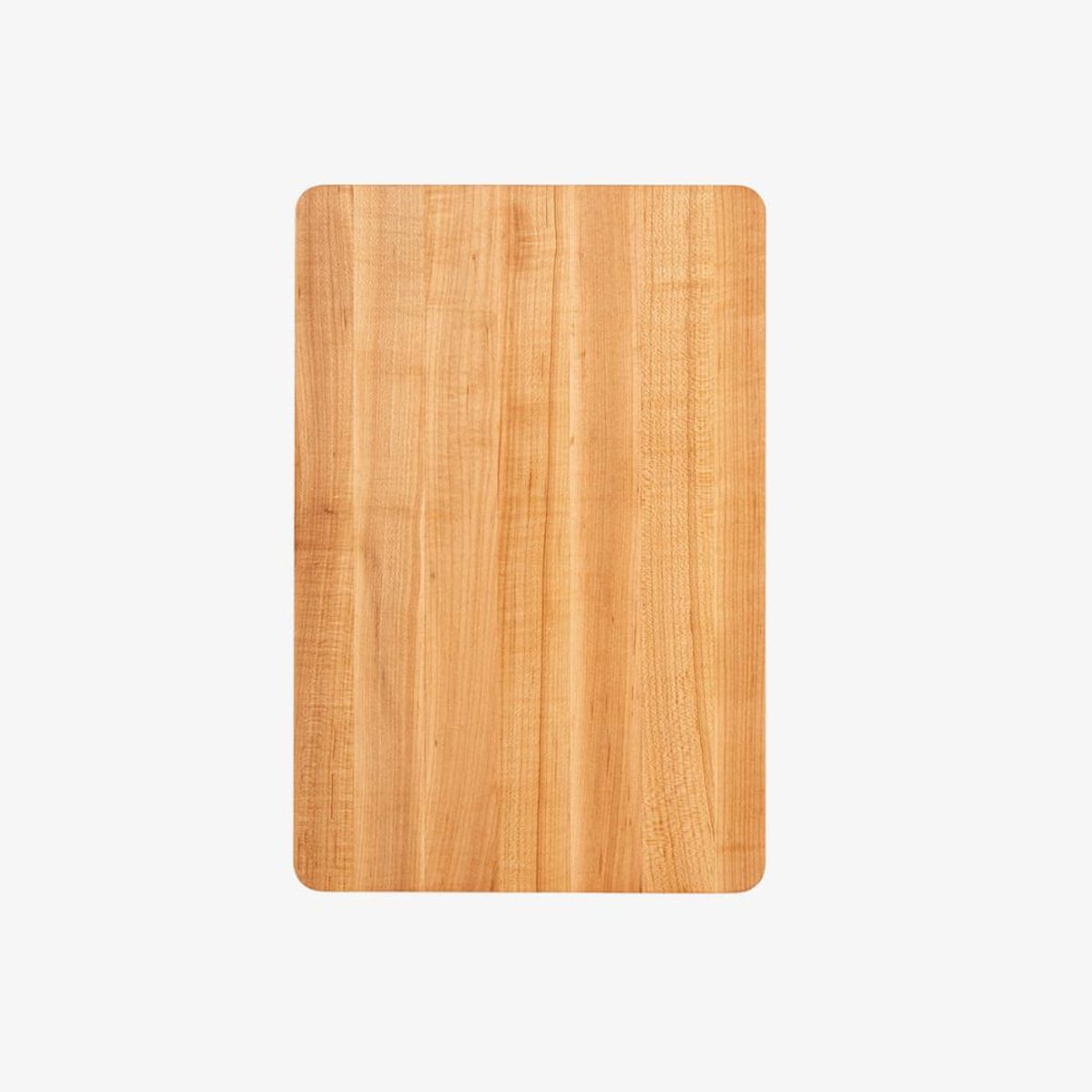
Best overall: John Boos Chop-N-Slice Maple Cutting Board
Boos Blocks have earned a reputation as among the most reliable cutting boards available. One model has functioned as a dependable kitchen workhorse for nearly nine years. This more affordable option features curved corners for comfortable handling and comes in multiple sizes, ranging from 10 inches by 10 inches to 20 inches by 15 inches, accommodating various budgets and counter spaces.
At $60, this maple board combines sturdiness with straightforward construction and intuitive use. The rounded edges facilitate easy handling and allow the board to double as an attractive grazing surface for entertaining. After applying several coatings of board oil, the wood became significantly more resistant to staining. Mineral oil or similar food-safe products help seal the wood and protect it from warping or splitting.
The availability of multiple sizes represents a genuine advantage when selecting a board. A bigger model works well for most cooks, though the difference between a 16-inch and 18-inch board can prove crucial in smaller kitchens. Many heavier, more expensive alternatives offer only one or two size options.
One drawback: as an edge-grain board, the wood texture appears somewhat rougher and requires regular attention with board oil or cream to maintain proper sealing.
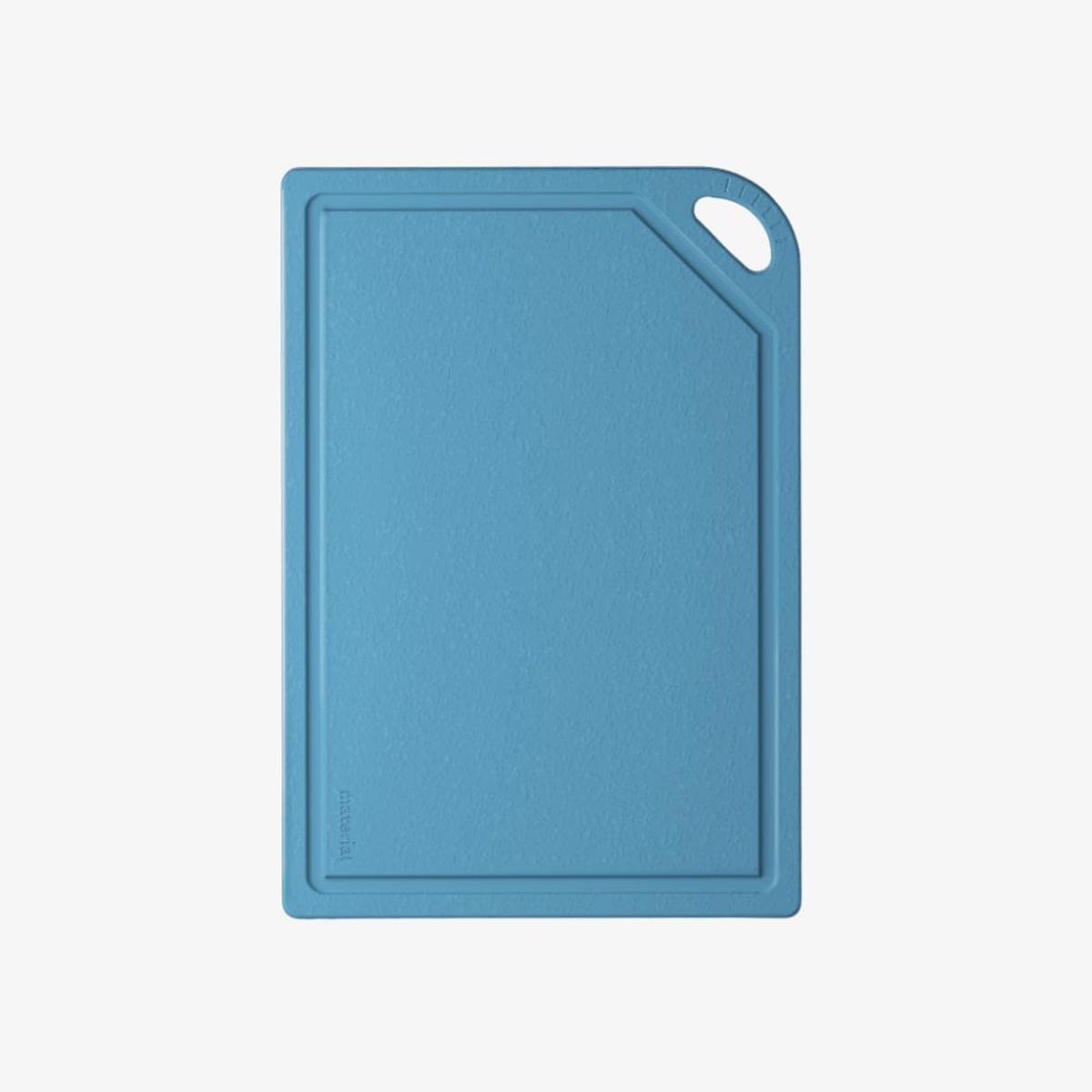
Best for raw meat: Material Kitchen MK Free Board
Material Kitchen has manufactured plant-based kitchen products for years. The company recently developed a bioplastic derived from biopolymers and natural clay minerals—a plant-based plastic that avoids shedding permanent microplastics. While technically plastic, it originates from biological substances rather than petroleum, offering the same convenience, affordability and lightness as conventional plastic without the microplastic contamination.
This board became the go-to choice whenever handling raw meat. Its lightweight construction made retrieving it from storage between shelving units feel as effortless as grabbing a spatula, and washing required minimal effort.
Despite its slim profile, a small juice groove captured precisely the amount of liquid released from a whole raw chicken during stuffing and trussing for roasting. (A tea towel placed underneath provided additional spill protection.) The board resisted absorbing odors and offered appealing color options: a gentle ocean blue, shell pink or off-white. Dishwasher compatibility adds further convenience.
The primary limitation: knife marks became visible relatively quickly. This represents standard wear for plastic boards, though the appearance of these marks may disappoint some users.
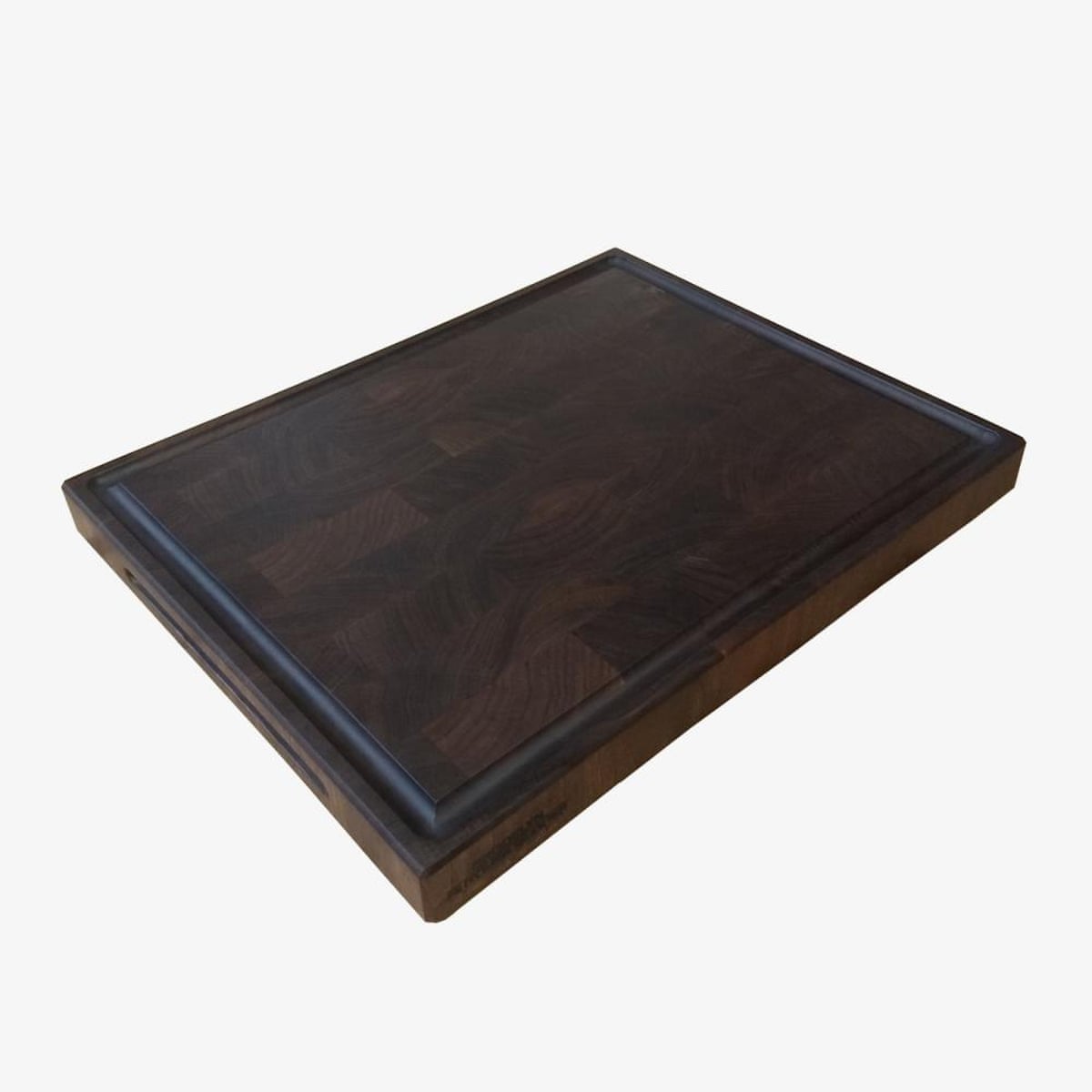
Most luxe and eco-friendly: Brooklyn Butcher Block's End Grain Walnut Butcher Block
Brooklyn Butcher Blocks sources all wood exclusively from within the United States and designs boards with waste minimization as a core objective, composting all wood scraps. For those attempting to eliminate plastic from their kitchens, the company's sustainable manufacturing practices represent a meaningful bonus.
This expensive, visually striking cutting board features dark walnut with an elegant, nearly sultry appearance. The brickwork pattern showcases the board's sturdy end-grain construction.
The board resisted retaining knife marks and cleaned with ease. Some claim walnut absorbs odors more readily than cherry or maple due to its slightly more open grain structure. Throughout testing, however, no odor transfer occurred—provided the board received washing after each use.
The 16-inch dimensions proved ideal for a small kitchen: substantial enough to handle typical prep work without becoming unwieldy during washing.
Significant drawbacks exist: like all quality wooden boards, it requires hand-washing, which some find burdensome. At nearly $500, the price far exceeds most reasonable cutting board budgets. Despite these considerations, the board merits appreciation.
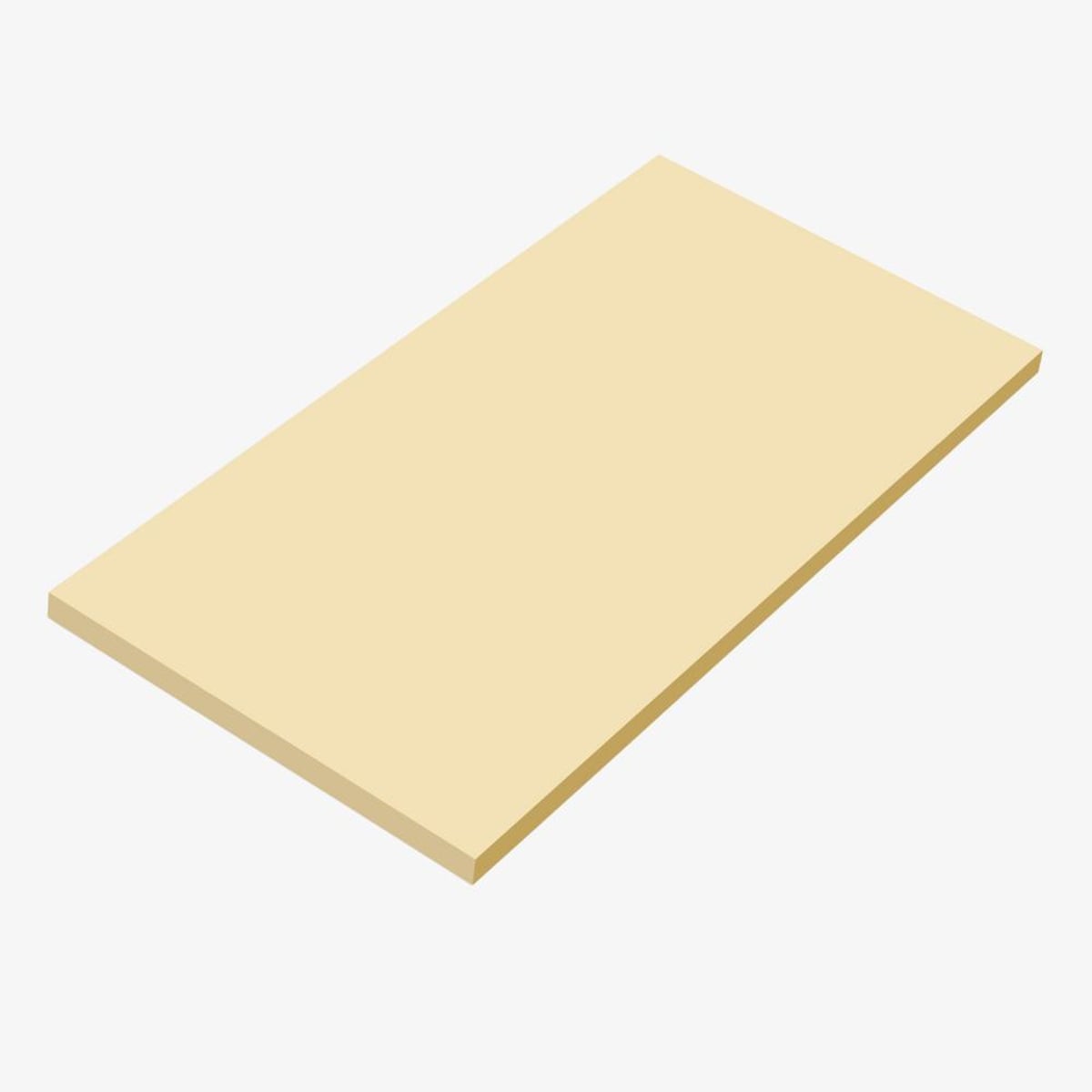
Best for sharp knives: Asahi Cookin' Cut Antibacterial Rubber Cutting Board
The Asahi board employs synthetic rubber, which provides a gentle give that hard plastic cannot match. Rubber cutting boards rank as favorites among sushi chefs worldwide, who rely on them for slicing raw fish with exceptionally sharp knives. If professional sushi chefs trust rubber boards to preserve blade sharpness, home cooks can confidently do the same.
The Asahi's surface felt as firm and comforting as a new mattress—a stark contrast to a titanium board tested during evaluation, which made knives feel as though they were slipping across a freshly Zamboni-smoothed ice rink. Synthetic rubber proves especially gentle on knives, and its weight prevents slipping across countertops. As a non-porous material, it naturally resists bacterial growth.
While not dishwasher-safe, this board cleaned exceptionally easily in the sink and requires no oiling or waxing like wooden alternatives. Unlike the Material Kitchen board, it showed no visible knife marks.
The primary drawback: among all tested boards, this one retained oniony and garlicky smells most persistently. Thorough washing after every use remains essential—or reserve it exclusively for savory dishes. Dishwasher incompatibility also limits convenience.

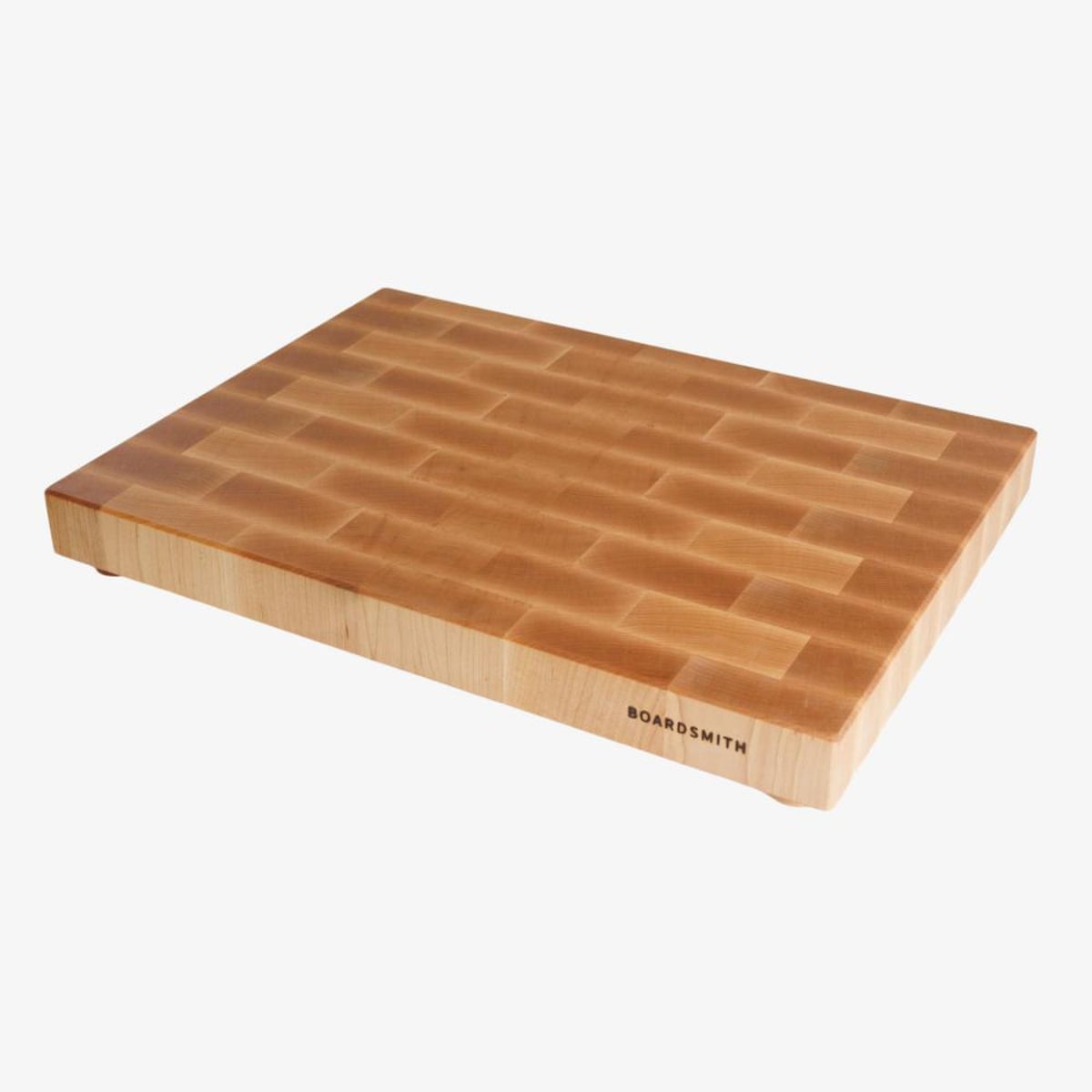
A thicker, taller option: Boardsmith Maple End Grain Cutting Board (2 inches thick)
Like the Brooklyn Butcher Block, this large and sturdy end-grain board can command a prominent place on the countertop. The dramatically tall profile—with the board itself measuring 2 inches thick and standing on taller-than-average rubber feet—offers distinct advantages. For taller cooks (5 feet 9 inches or more), this design brings prep work several inches higher, reducing strain during extended chopping sessions.
The maple wood retained some stains, though the brickwork pattern displayed particular beauty.
One consideration: when comparing large, end-grain boards, walnut emerges as the preferred choice due to its superior aesthetics and ability to conceal stains. Boards featuring rubber feet also present minor cleaning challenges. However, for those valuing height and sturdiness, this model offers a visually stunning countertop addition.
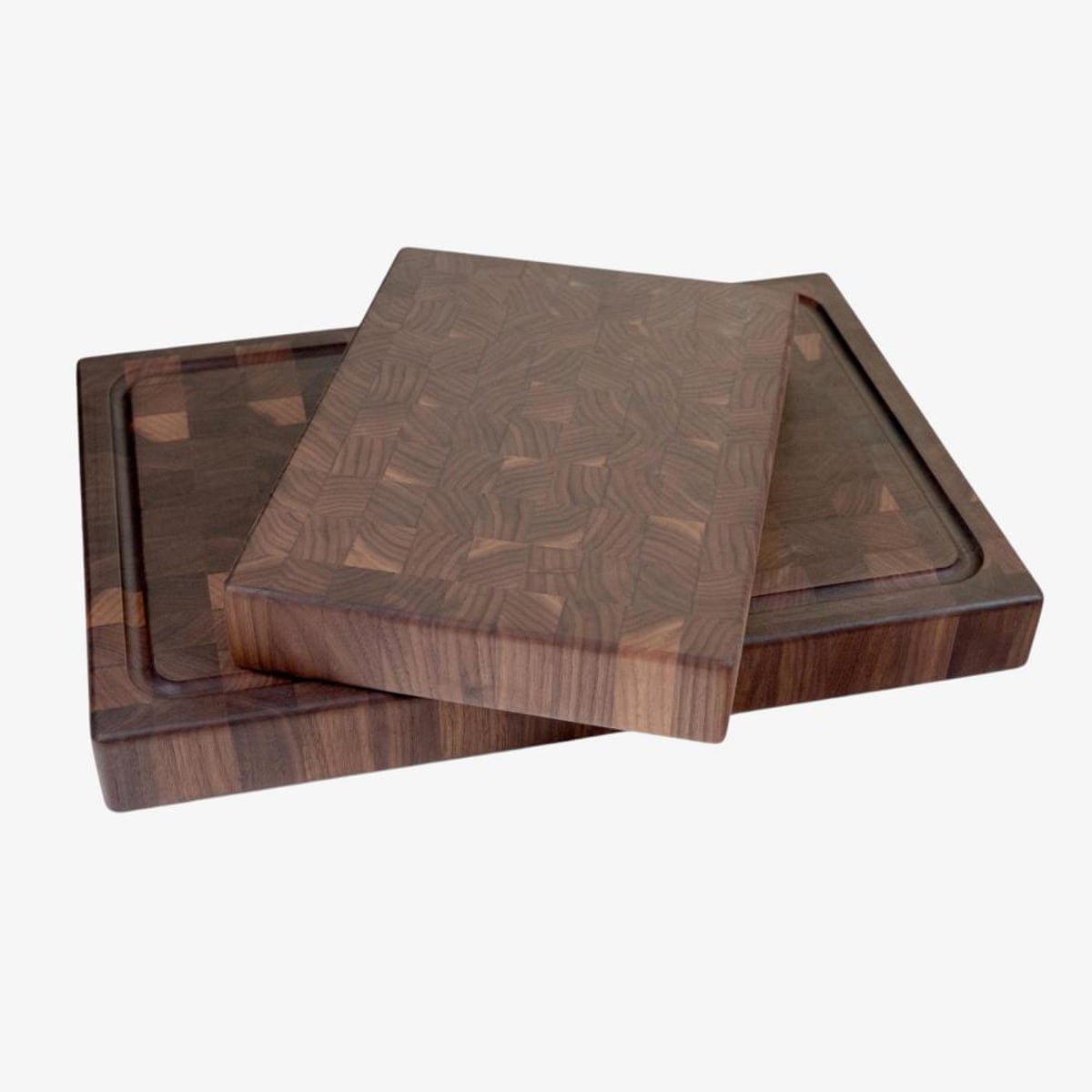
A striking walnut option: The Pinocchio Workshop's Walnut End Grain Cutting Board
The Pinocchio Workshop, an Etsy seller based in Milford, Connecticut, crafts beautiful end-grain boards from walnut wood. This board showcased stunning walnut that concealed stains while displaying visual appeal through a striking two-toned brickwork pattern—almost resembling a more refined version of those optical illusion posters.
Like other butcher blocks featured here, customization options abound: size selection, finger grooves, juice grooves or rubber feet for stability. The 10-inch by 15-inch model proved perfect for preparing individual meals or presenting small grazing boards for intimate gatherings. Custom engraving availability makes it an ideal gift option.
One minor consideration: a slightly thicker construction might enhance durability, though this reflects personal preference more than a genuine limitation. At 1.5 inches, the thickness exceeds many tested boards and does not represent a meaningful drawback.
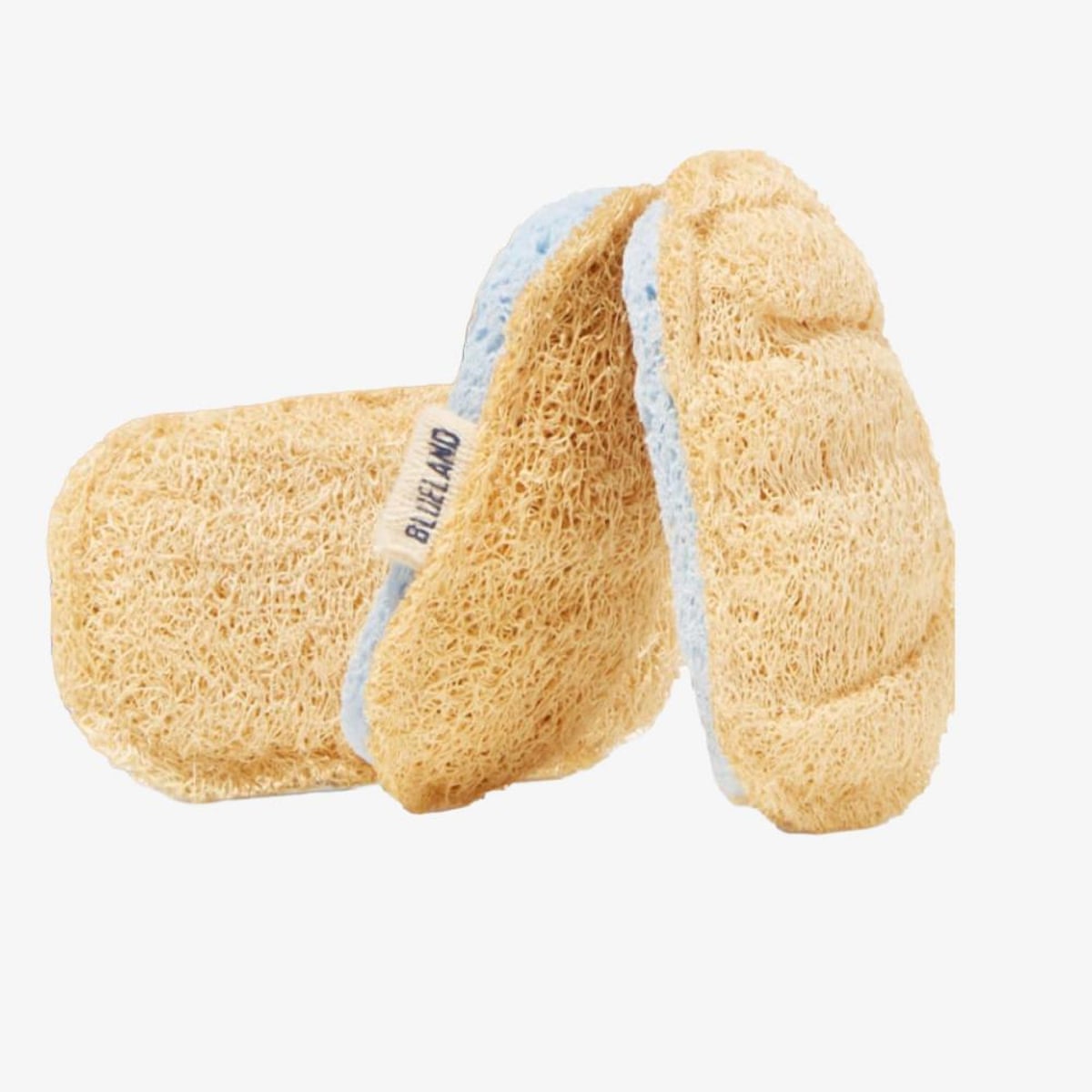
Essential accessories for wooden board care and maintenance
Wooden boards unsuitable for dishwasher cycles require hand-washing. While this may seem laborious, proper care after each use represents the optimal approach to extending wooden board longevity. If daily washing feels overwhelming, washing at least weekly prevents odorous buildup and bacterial accumulation.
Begin by wiping boards with a cloth or rag soaked in hot water to remove debris and gunk. Then apply mild dish soap and a non-abrasive sponge across the entire surface—including bottom, edges and corners. Dry thoroughly. When storing boards away from the countertop, position them vertically to prevent warping.
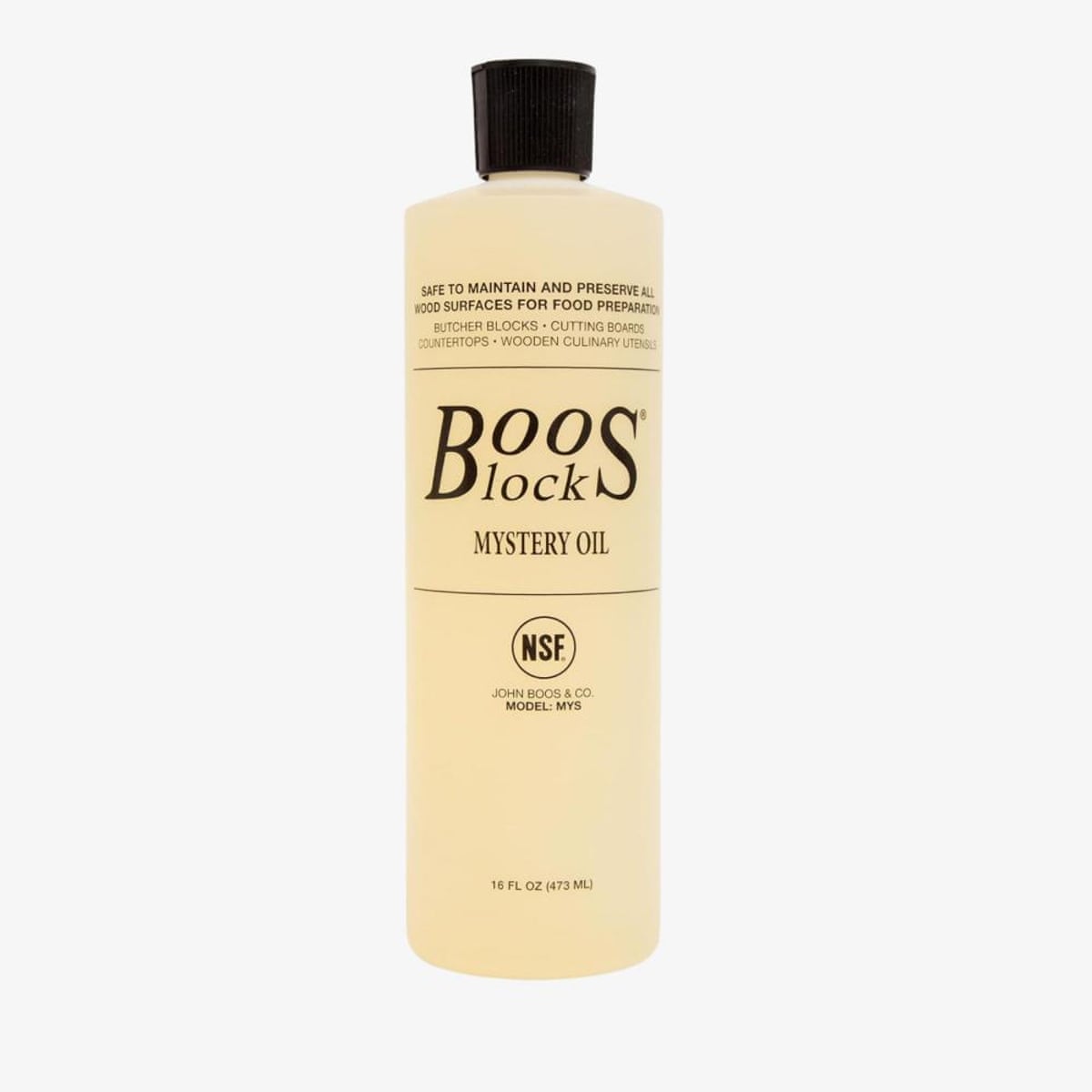
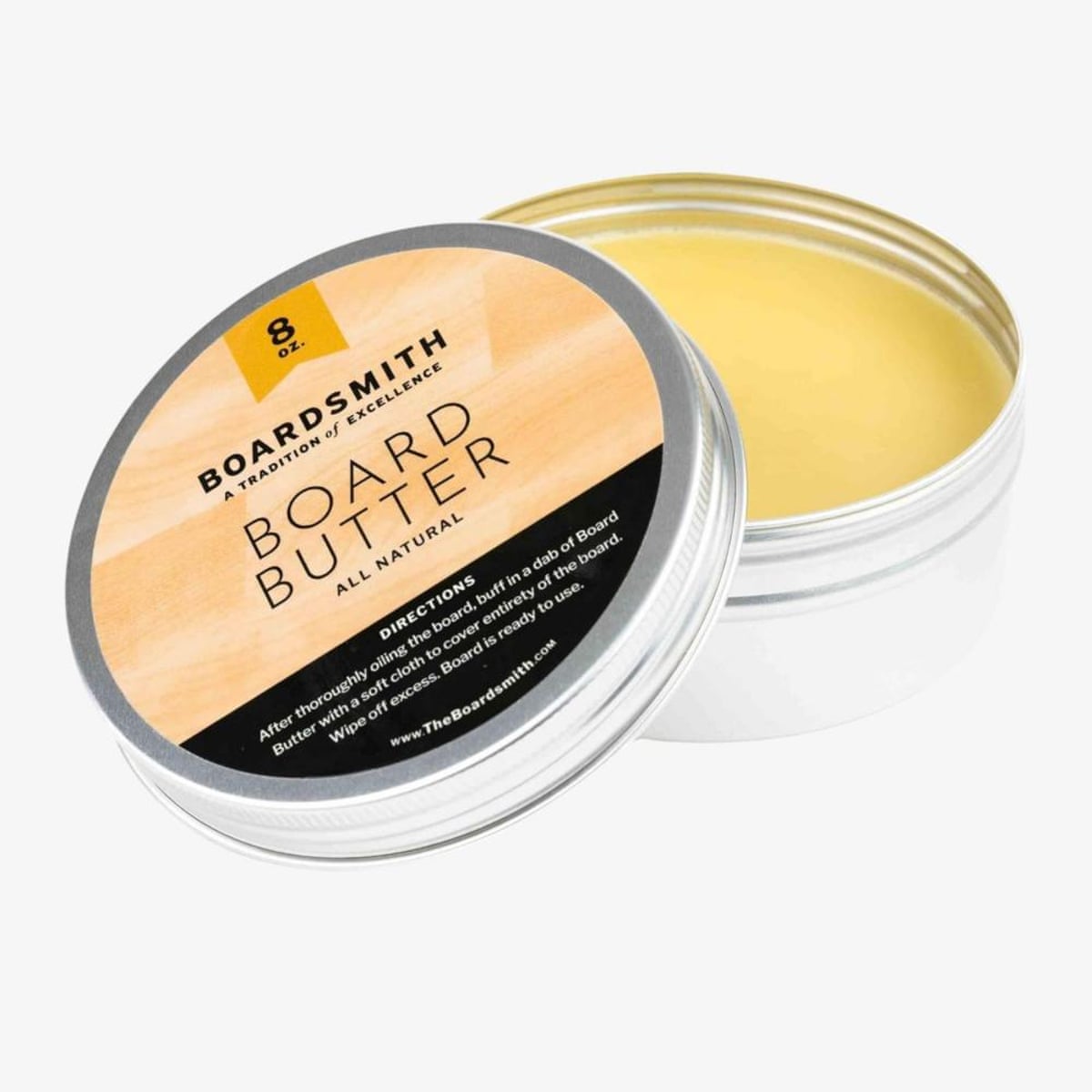
Monthly maintenance with mineral oil and wax significantly extends board lifespan. Apply a modest amount of food-safe mineral oil, rubbing it in with a soft, clean cloth. Avoid excessive application; a light coating suffices. Stand the board on its edge overnight to allow oil absorption. The following day, seal it with food-grade wax designed specifically for cutting boards, using a soft cloth like microfiber to distribute it evenly without overapplying. After approximately 12 hours for wax absorption, buff away any excess with a cloth.
Though this maintenance routine requires commitment, a well-maintained wooden board lasts for years, making the investment worthwhile.
How to select the appropriate cutting board material
Choosing the right board requires honest assessment of cooking habits and priorities. Will the board primarily display meat and cheese spreads with occasional onion chopping? Does your cooking involve elaborate daily meal preparation? Are you prioritizing affordability?
Sustainable bioplastic boards: Options like Material Kitchen's offering provide the lightness, ease and price point of traditional plastic without shedding microplastics into food.
Butcher block-style wooden boards: These offer customization advantages through various sizes, finger grooves, rubber feet or juice groove options.
End grain cutting boards: These represent the most durable wooden boards available and prove gentlest on knives. Constructed by gluing small hardwood pieces together vertically, the vertical grain orientation allows wood to self-heal even after extensive chopping. These boards demand more maintenance and require regular oiling and waxing. Dishwasher use is incompatible with this board type.
Edge grain cutting boards: The horizontal grain orientation makes these boards gentler on knives than plastic or glass alternatives, though they display wear and knife marks more readily. Their affordability makes them attractive to budget-conscious cooks.
Understanding microplastic concerns and safety considerations
Recent research has intensified scrutiny of plastic cutting boards' microplastic shedding. A 2025 comprehensive review determined that no plastic cutting boards can be considered entirely safe, as simulated microplastic release varies substantially by material and usage patterns. Some research has suggested concerning health implications: according to an Environmental Health News summary, mouse feeding experiments linked food prepared on plastic boards with intestinal inflammation and microbiome or liver-metabolism changes, while wooden-board preparation did not produce these effects.
A practical approach gaining traction involves using a two-board system: hardwood for plants and ready-to-eat foods, and a non-porous board for raw meat and fish. This strategy maximizes food safety while minimizing microplastic exposure across different food categories.
Testing methodology and evaluation criteria
The evaluation selected 10 top plastic-free cutting boards for testing: six wooden boards and four alternatives, including rubber and stainless steel options. For wooden boards, both edge-grain and end-grain varieties were included, as each offers distinct advantages. Glass boards were excluded because their hardness rapidly dulls or chips knives.
Testing occurred over six weeks in a home kitchen environment. Initial assessment involved handling boards, moving them between storage locations and performing thorough out-of-the-box cleaning. A superior cutting board must feel comfortable to handle; even boards intended primarily for display require easy sink washing. Evaluation considered whether boards felt hefty or flimsy and whether storage presented challenges in limited kitchen space.
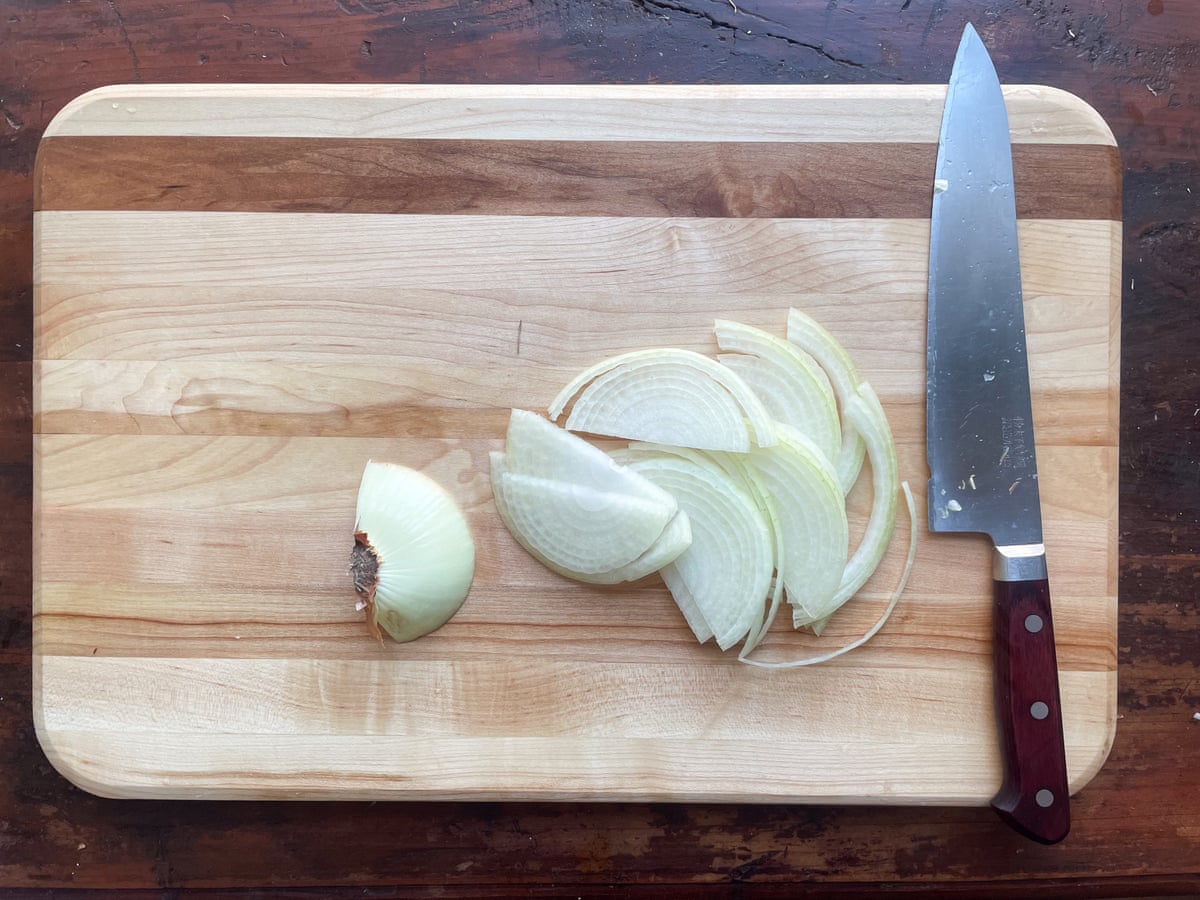
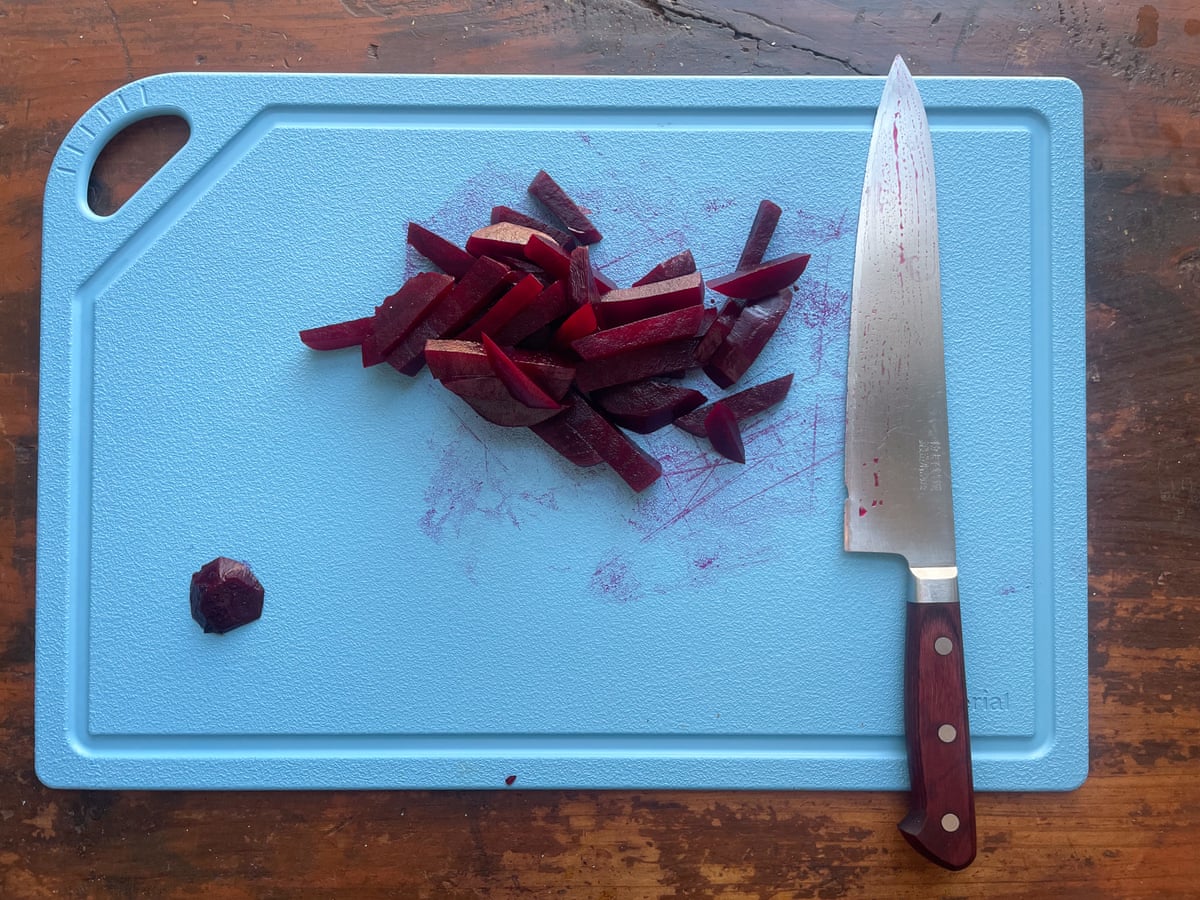
Practical chopping tests followed. Onions were chopped on each board to assess smoothness of the cutting experience. Boiled beets were chopped to evaluate staining potential. A specialized Sniff Test measured odor retention: at least one large onion was chopped on each board, the board was washed thoroughly with unscented dish soap, then given a deliberate sniff to detect lingering aromas.
All tested boards were subsequently donated to St Mary's Clothing Drive, a local Brooklyn charity.
About the testing process and editorial standards
The evaluation reflects a commitment to testing products independently and earning reader trust through rigorous assessment. Editorial coverage considers potential impacts on health and the environment, and companies cannot purchase positions in product rankings because the mission prioritizes serving readers rather than corporate interests.
The evaluator brings over a decade of food writing experience, including cookbook authorship, restaurant reviews for major publications and recipe testing for outlets and professional chefs. As an obsessive home cook with limited kitchen space, cutting boards serve multiple functions: chopping blocks, storage spaces, tea trays and serving platters. Daily use—whether chopping vegetables for lunch, breaking down chicken for dinner or containing tea setup mess—provides extensive real-world testing experience.
What happens next
This guide was updated in September 2026 with refinements to improve navigation, expanded advice, sharpened language and a new section explaining the editorial mission. Continued updates will occur as additional testing is completed and new products emerge in the plastic-free cutting board market.