For years, vitiligo dominated every decision I made, from what I wore to how I presented myself in public. But standing on stage at a London comedy club in December 2025, delivering jokes about the very condition I had spent a lifetime concealing, I experienced something unexpected: liberation.
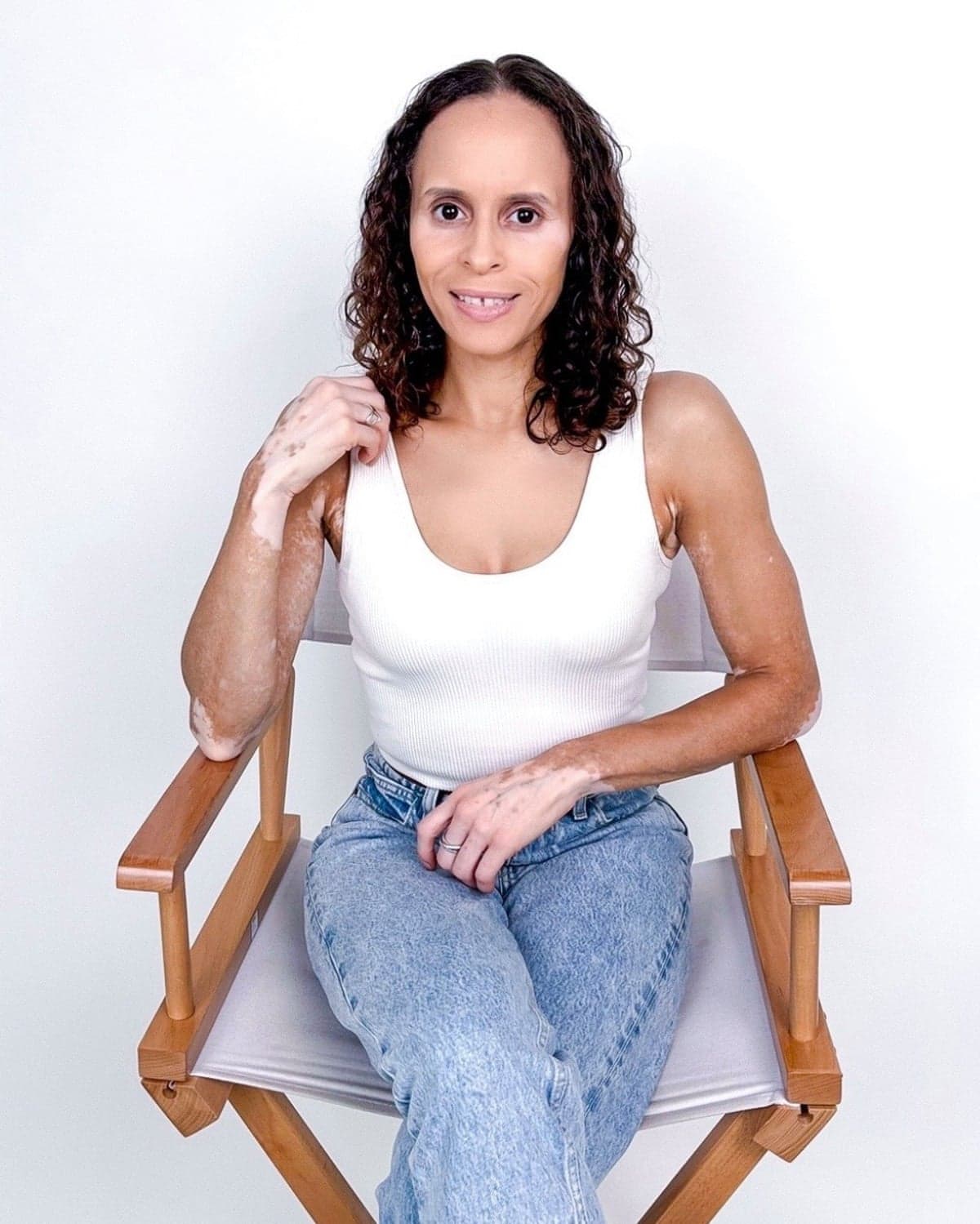
My relationship with vitiligo began when I was three years old. A patch appeared on the back of my hand, then gradually spread across my arms, legs, face and other areas of my body. By age six, the condition covered 70% of my skin. At that age, I lacked the awareness that being visibly different carried social weight. I swam freely, wore whatever I wanted, and gave little thought to my appearance. My parents reinforced the message that vitiligo was simply part of who I was, not a limitation.
That perspective shifted dramatically during my teenage years. I became acutely self-conscious, painfully aware that I looked unlike my peers. Swimming lessons triggered anxiety about exposing myself in a swimsuit. Summer meant wearing long sleeves and trousers despite the heat, driven by embarrassment. I applied thick foundation to mask the patches around my eyes and mouth, layering fake tan across my body. My skin condition had seized control of my life.
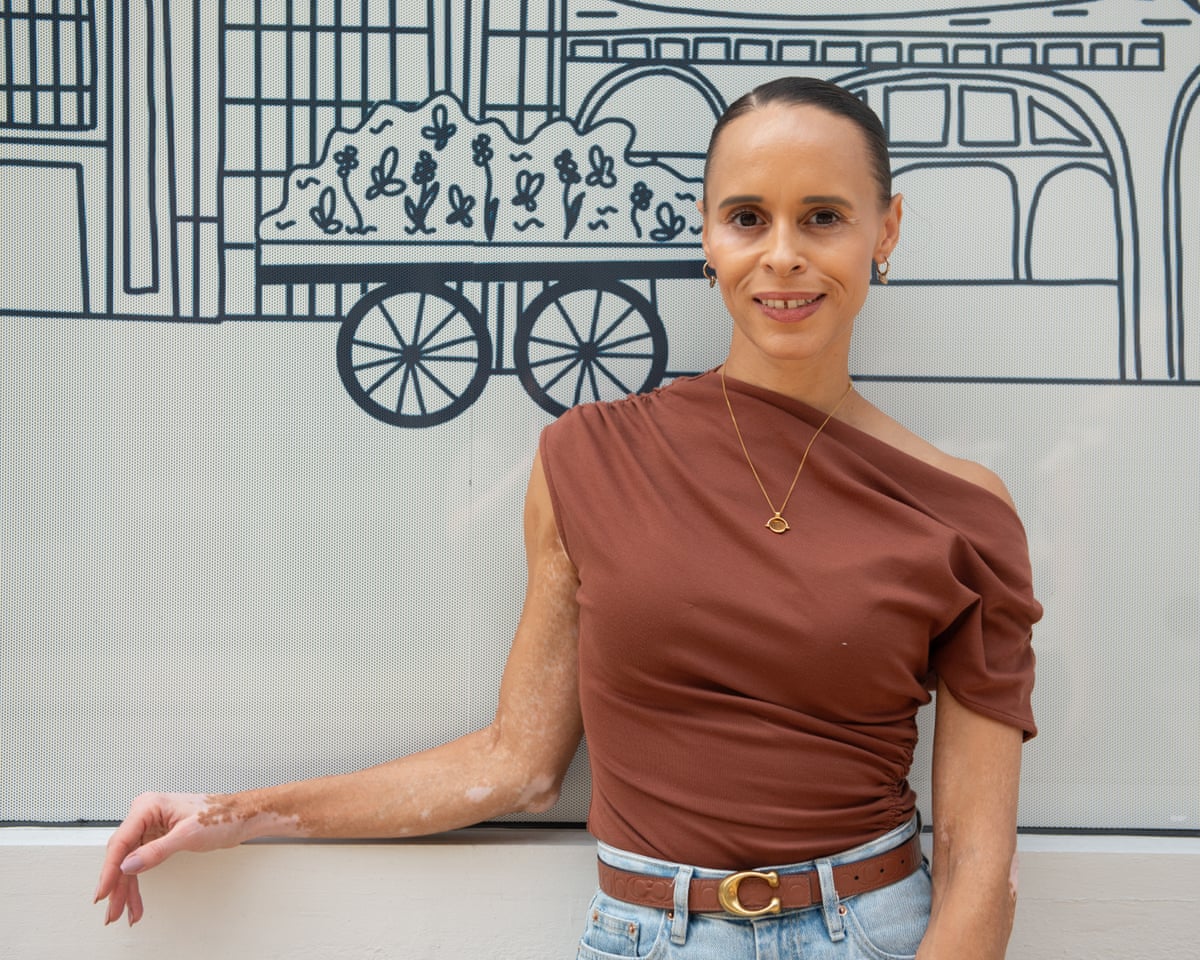
As I grew older, my mindset began to shift. I invested years working through negative self-talk and resisting societal pressure to conform to narrow beauty standards. Connecting with the global vitiligo community online proved transformative—discovering I was far from alone. I launched an Instagram presence to document my journey and support others navigating the same condition, gradually moving from hiding to advocacy.
In November 2025, I enrolled in a six-week comedy class. The prospect of stepping so far outside my comfort zone thrilled me, despite my nerves. During early sessions, instructors asked us to identify subjects we could build comedy around. Vitiligo kept surfacing as my answer.
The decision to write a seven-minute comedy sketch centred on a condition that had shattered my confidence felt risky. I wanted audiences to laugh alongside me, not feel I was trivialising something potentially still painful for others living with vitiligo. I worried my material might offend, upset, or simply fail to land. Yet as I explored the complexities—dating while visibly different, forming relationships, growing up mixed race with vitiligo, school experiences, and society's judgement—the material multiplied.

The course accelerated, and suddenly it was performance night at 21 Soho in central London. When my name was announced, I walked to the stage projecting confidence I didn't feel. I opened with safer material, warming the crowd before introducing my vitiligo jokes.
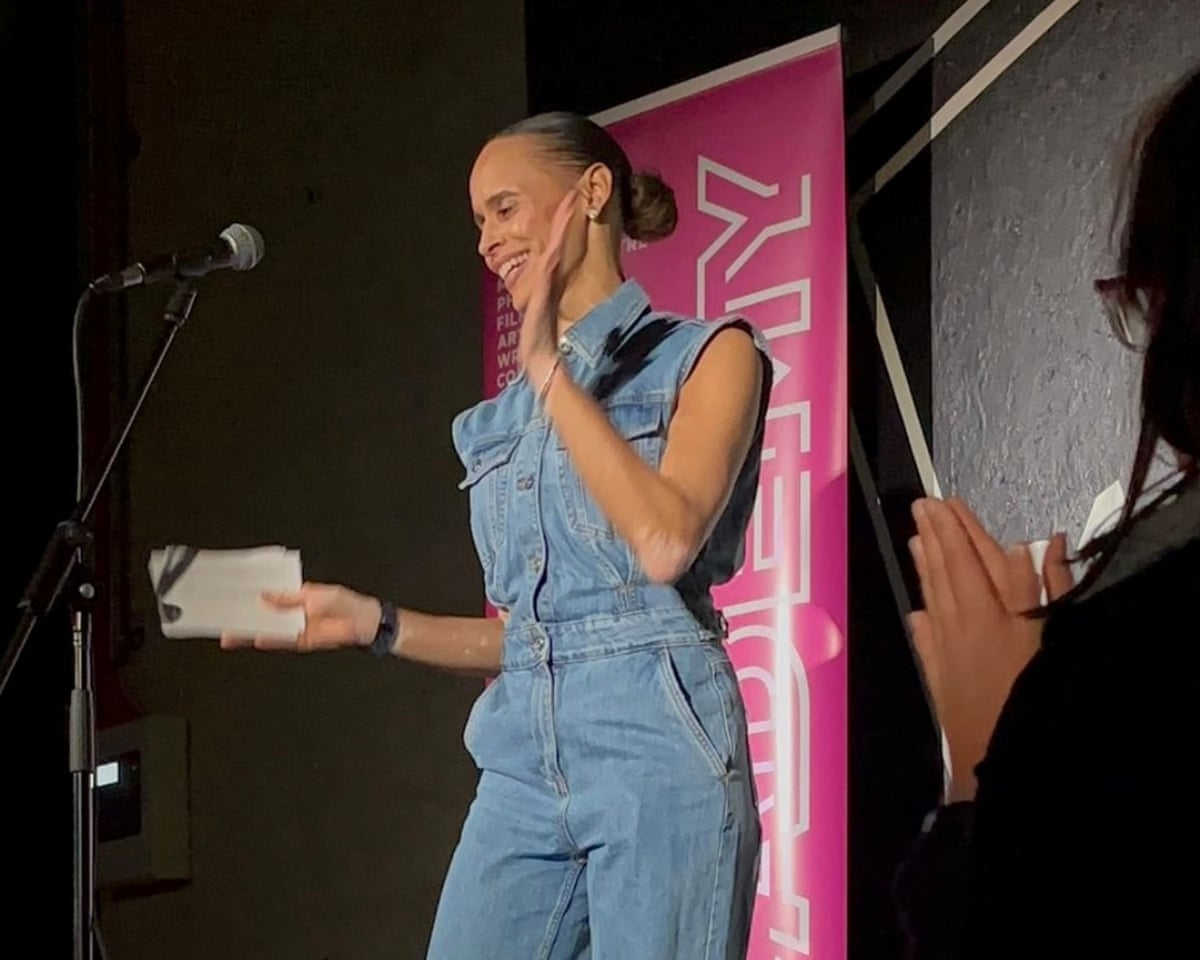
I began by telling the audience I had vitiligo and asking if anyone else did. Silence followed. "Thought as much," I responded, "out here on my own again." The room erupted in laughter, and I felt the tension dissolve. In that moment, I was inviting the audience into my world on my own terms. I held the power—and it was nerve-racking, funny and unexpectedly empowering.
My material ranged across dating experiences, unfiltered reactions from children encountering my skin, and responses I had crafted for intrusive questions people posed. The cheers felt like validation; as though I was simultaneously educating the audience and advocating for vitiligo awareness while owning my identity under the spotlight.
What this moment revealed
Although I have not performed since that night, I am exploring open-mic opportunities. That evening taught me something profound: the child who yearned to disappear and wished she looked "normal" had become a woman proud of her identity. I had chosen visibility on empowering terms. I would never diminish myself again.
My experience reflects a broader shift in how people with visible differences are reclaiming their narratives. The "A moment that changed me" series has documented similar turning points where individuals transform shame into strength. Likewise, other creators have adapted personal journeys into public art forms, using performance to shift cultural perceptions of bodies and conditions society often stigmatises.
The vitiligo community continues gaining visibility through organised awareness efforts. The Vitiligo Research Foundation has scheduled community events and webinars exploring vitiligo representation in popular culture, signalling sustained momentum in destigmatisation work. Additionally, recognition programmes like the Incyte vitiligo awards celebrate projects blending comedy, political commentary and intimate storytelling to promote awareness, representation and advocacy—the exact approach I took on stage.
What comes next
For those interested in vitiligo advocacy and creative projects, the 2026 Incyte vitiligo awards application period closes on 29 October 2026, welcoming submissions that advance awareness and support for people living with the condition.