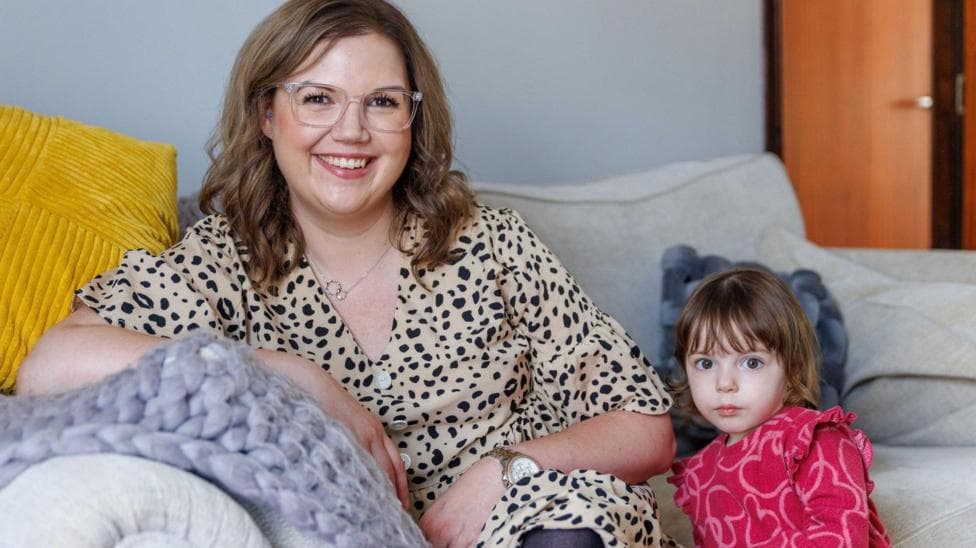
A Scottish toddler with an exceptionally rare genetic disorder that renders her skin hypersensitive to ultraviolet radiation can now play indoors with natural light streaming through windows, thanks to protective film installed by her family with charitable support.
Two-year-old Mollie Murray lives in Montrose and is the only child in the UK identified with her particular variant of xeroderma pigmentosum (XP). The condition, which remains incurable, forces her to limit outdoor activity to nighttime hours or periods when wearing full-length protective clothing.
Her family secured funding from The Archie Foundation to install UV-resistant film at her father's home last month. According to a national broadcaster's report, the charity provided £600 to cover the installation across the whole downstairs of Ryan Murray's home and Mollie's bedroom upstairs, with the work completed on 15 July.
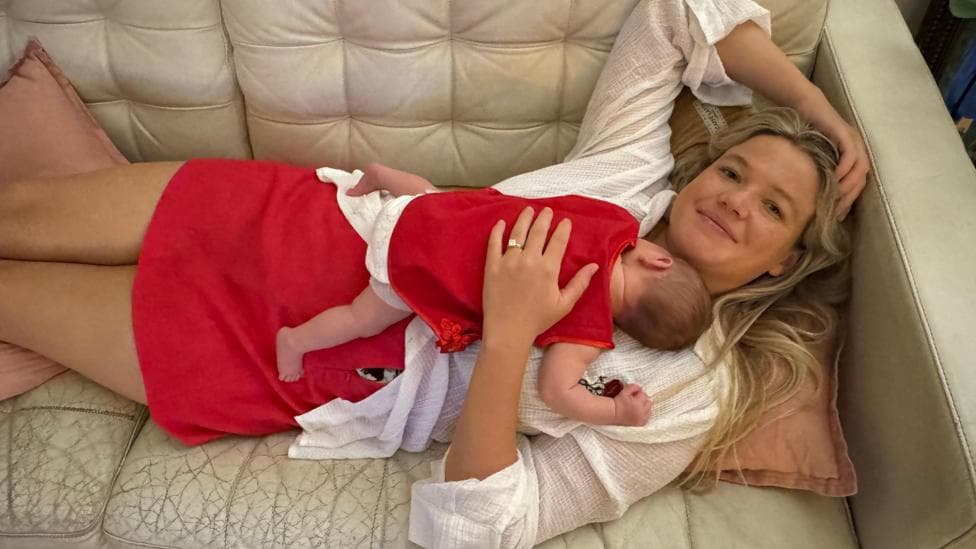
Mollie's mother, Kirsty Campbell, 35, works as a charge nurse. She explained that her daughter faces sunburn risk throughout the year and has previously suffered severe burns in November.
"The only time it's safe to go outside is in the dark. I want to keep her inside at all times to keep her safe, but we can't do that – she needs some sort of normality."
The NHS had previously funded film installation at Kirsty's home, but because Mollie's parents live separately, no funding existed for the same protection at her father's residence, where she spends considerable time. The Archie Foundation, which provides support to babies, children and families during hospital stays or following bereavement, stepped in to bridge this gap.
Kirsty described the emotional impact of receiving the news.
"I cried for about 20 minutes when I was told the money would come through. Mollie wouldn't have the same quality of life at her dad's house without it."
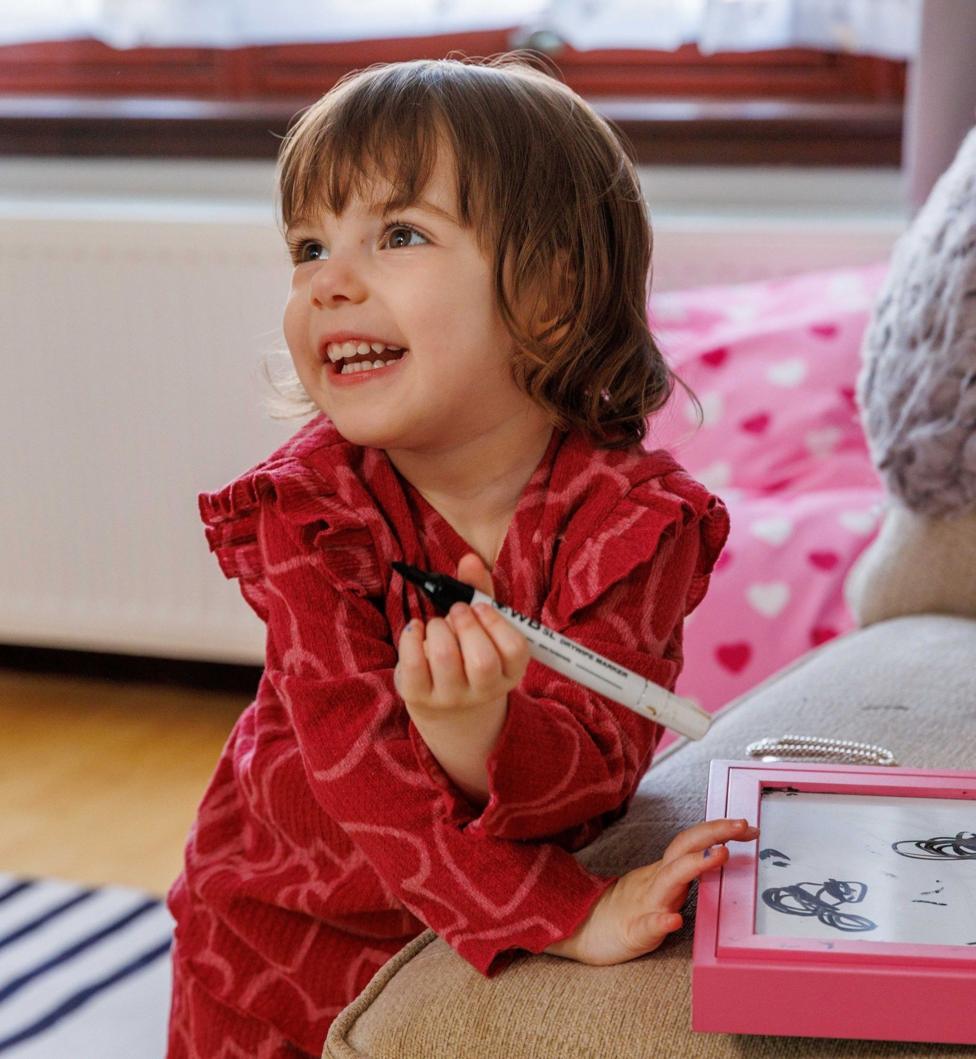
The installation has transformed daily activities for the young child.
"It means she can do simple things like look outside for the postman or draw in daylight. My ex-partner was having to take playpark equipment into his house as it wasn't safe outside. She's so happy running around like a normal child."

How does UV-blocking film work for XP patients?
The protective film functions by eliminating virtually all incoming ultraviolet radiation while still permitting visible light to pass through, according to medical research on XP management. This allows children with the condition to experience natural daylight indoors without exposure to the harmful wavelengths that trigger severe reactions in their skin.
What is Mollie's medical history?
Mollie experienced hospitalisation repeatedly from infancy, presenting with multiple symptoms including seizures and severe reflux. Her condition remained undiagnosed until May 2025, when she suffered severe sunburn during an overcast day—an unusual occurrence that prompted medical investigation. Two months later, when the burns recurred, doctors eventually identified her XP diagnosis.
Medical professionals have advised that Mollie faces a risk of skin cancer approximately 10,000 times higher than other children. Her mother must use a UV monitor to check radiation levels in every room before allowing Mollie to enter, ensuring her safety within the home environment.
Kirsty reflected on the shock of the diagnosis.
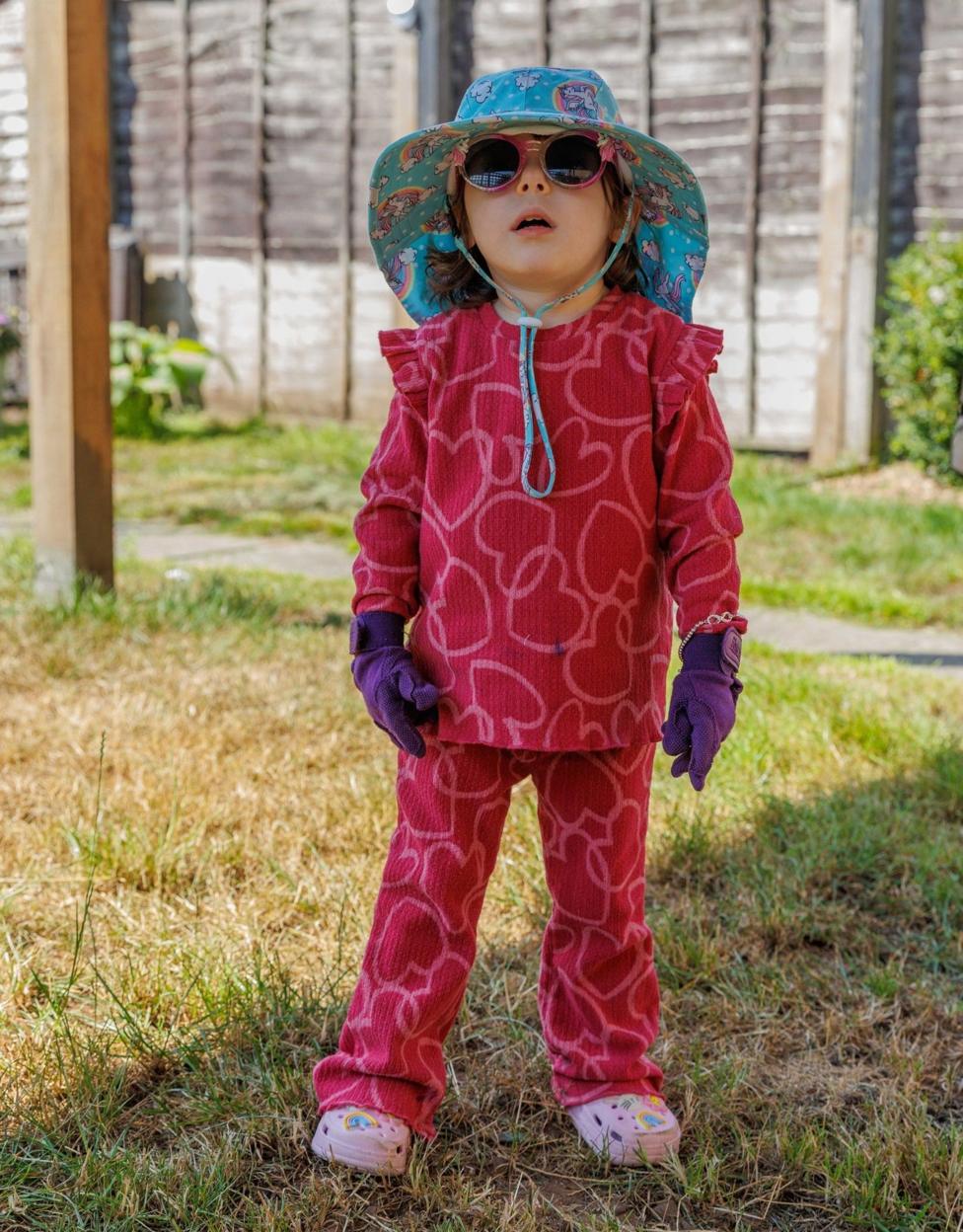
"To go from thinking your child has sunburn to them having an extremely rare genetic disorder is mind-blowing. Everyday life is difficult as she needs full protective outer wear for going outside and sun cream every two hours under her clothes."
She added:
"We initially had to play inside in darkness with the curtains closed before getting the UV-resistant film on our windows."
What does the future hold for Mollie?
Medical professionals have informed the family that Mollie will likely experience neurological impairment and mobility challenges during her 40s and 50s, but should enjoy a relatively typical childhood. Her parents are focused on maximising her quality of life while maintaining her safety.
Kirsty expressed pride in her daughter's resilience.
"She is an amazing wee girl and is coping with it so well. She's very outgoing and friendly and the fact she's been in hospital so much means she's used to seeing different faces."
Rebecca Duncan, business development and fundraising manager for The Archie Foundation in Tayside, highlighted the charity's commitment to supporting families facing such challenges.
"Caring for a child with complex needs can be incredibly challenging and, at times, isolating, so we're committed to ensuring families never feel they have to face that journey alone. Mollie has shown remarkable resilience, and we're proud to have played a small part in helping her experience the joy, opportunities and precious moments that every child deserves."
Key Facts
- Mollie Murray is the only child in the UK with her specific variant of xeroderma pigmentosum, a rare genetic disorder causing extreme sensitivity to ultraviolet light
- The Archie Foundation provided £600 to install UV-resistant film at her father's home on 15 July, allowing her to play indoors with natural light
- Children with XP face approximately 10,000 times greater risk of developing skin cancer than the general population
- Mollie can only safely spend time outdoors during darkness or while wearing full-length protective clothing and regular sunscreen application
- Medical projections suggest Mollie should experience a relatively normal childhood, though neurological and mobility challenges may emerge in her 40s and 50s