Thousands of low-income families across the UK are failing to claim NHS Healthy Start payments they are entitled to receive for purchasing fresh produce and milk, despite rising food costs putting severe pressure on household budgets.
Families earning less than £400 a week qualify for weekly NHS Health Start payments if they include pregnant women or children under four years old. The scheme provides £4.65 per week for families with children aged one to four, and £9.30 per week for those with babies under 12 months. However, charities warn that take-up remains far below eligible numbers in many regions.
Data from 2022 revealed significant regional variation in enrollment. In the former Eden Council area, only 64% of eligible families were claiming payments, while in the former Copeland Council area take-up stood at 68%. Newcastle and Middlesbrough recorded 77% enrollment, and Sunderland and Stockton achieved 81%. Redcar and Cleveland Council had the highest uptake at 87%. Across the North East region, these figures meant 6,149 eligible families were missing out on support.
Charities including Feeding Britain, Sustain, and The Food Foundation are calling for urgent reform of the scheme. According to a June 2026 Food Foundation briefing, 351,921 pregnant people and children under four were receiving Healthy Start support in May 2026, while approximately 900,000 children under four were living in poverty—indicating a significant gap between those eligible and those enrolled.
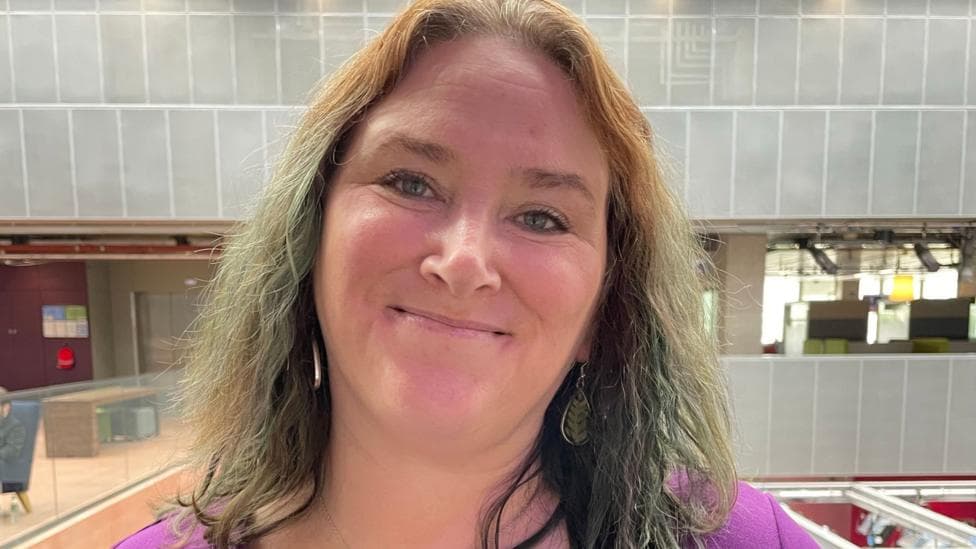
Penny Walters, who works for Feeding Britain supporting some of the most deprived families in the North East, said the current payment levels fail to meet families' needs.
"£4.65 - what can you buy with that? If you've got a baby you get £9.30 and you can buy one tin of formula with that. But how many tins have you got to go through a week with a baby? It's worthless."She described encountering stark poverty in the region, including a malnourished baby admitted to hospital in Newcastle who had been fed only sugar water because it was all the family could afford.
The situation has been exacerbated by the fact that Healthy Start payments have not kept pace with inflation. From April 2026, the payment value increased to an annual amount of £241.80 for pregnant women and children aged one to four, but charities argue this remains insufficient given the scale of food price increases.
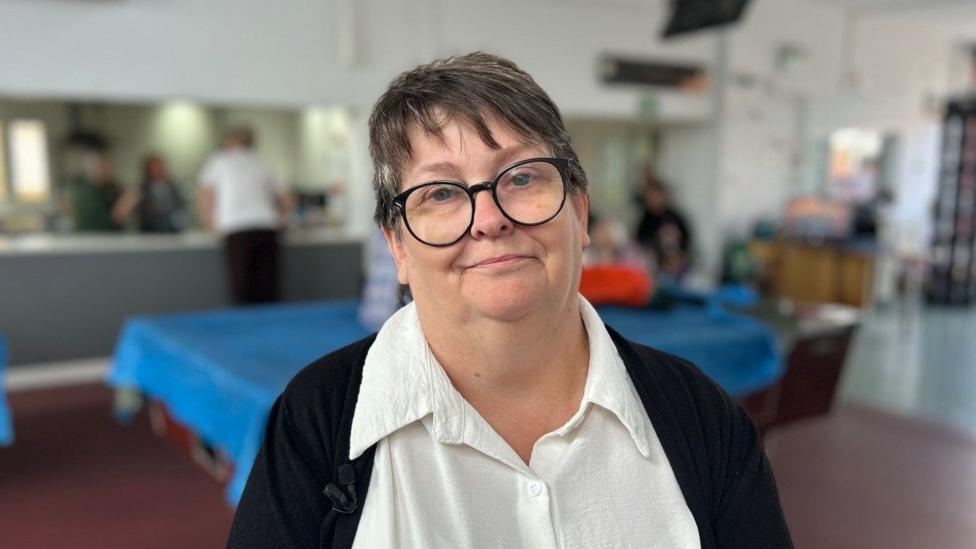
Amelia, a mother from Sunderland with a two-year-old son, does not qualify for the scheme but understands the financial pressures families face.
"It's expensive to feed the whole family. It's getting ridiculous really. It's not just food, it's the nappies and wipes and days out."She said she attempts to batch cook meals and eats the same food as her son to stretch budgets further.

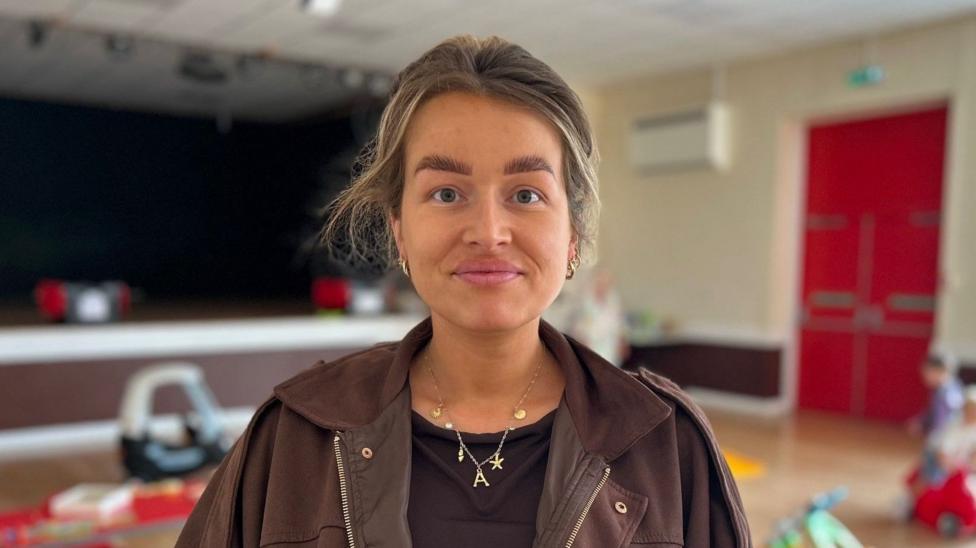
Amy, a working mother with a toddler, described the particular challenge of infant formula costs.
"He was on formula and it was expensive for the tins. They never had offers or promotions."She said she often eats less so her son can have more food.
Why are eligible families not claiming?
Multiple barriers prevent families from accessing payments they qualify for. Qualifying households can apply if they are more than 10 weeks pregnant, have parental responsibility for a child under one, or have a child under four and receive a qualifying benefit. However, the application process requires families to actively register, placing administrative burden on those already struggling financially.
Andrew Forsey, director of Feeding Britain, said the government should implement automatic enrollment for eligible families.
"Given the increases in food prices that are coming our way in the months ahead we need every layer of protection possible for families on the lowest incomes. The government can use the data and the technology at its disposal to register parents automatically, just to lift some of the burden off parents' shoulders."

Labour MP for South Shields Emma Lewell has been campaigning to ensure allocated money does not return to the Treasury if unclaimed.
"It just feels like such a no brainer. The money is there, the government have it, it's not going to the people who need it and there's things we can do to make sure it does, but they're not being done."
What is blocking progress on the scheme?
A significant obstacle to identifying and reaching eligible families is the lack of current enrollment data. The NHS stopped publishing Healthy Start figures in January 2023 after discovering an inaccuracy that has not since been corrected. This means charities and local authorities cannot track who might be missing out or target outreach efforts effectively.
Charities are calling on the Department for Health and Social Care to release updated figures on enrollment. However, the NHS Healthy Start website indicates that August 2026 uptake data has been published, with 347,127 people on the digital scheme across England, Wales and Northern Ireland. The scheme operates as a digital card system, having been rolled out to replace paper vouchers previously issued to beneficiaries.
What happens next?
Charities continue to advocate for systemic changes to improve uptake. Newcastle City Council published new guidance in June 2026 encouraging eligible families to apply for Healthy Start support, reflecting growing recognition of the problem at local level. The NHS is continuing to track uptake figures through 2026, with routine publication of monthly data expected to continue.
The calls for reform reflect broader concerns about child poverty and food insecurity in the UK. According to Sustain's January 2026 analysis, around 353,304 children under four and pregnant women were registered for Healthy Start at that time, representing roughly 10% of the total population in those groups—suggesting substantial room for growth in enrollment.
Key Facts
- Eligible families can receive £4.65 per week for children aged one to four, or £9.30 per week for babies under 12 months
- Regional take-up in 2022 ranged from 64% to 87%, leaving thousands of eligible families without support
- Charities are calling for automatic enrollment and updated government data to improve access to the scheme
- Payment levels have not kept pace with food price inflation, limiting the scheme's effectiveness
- The NHS stopped publishing enrollment figures in January 2023 due to a discovered inaccuracy