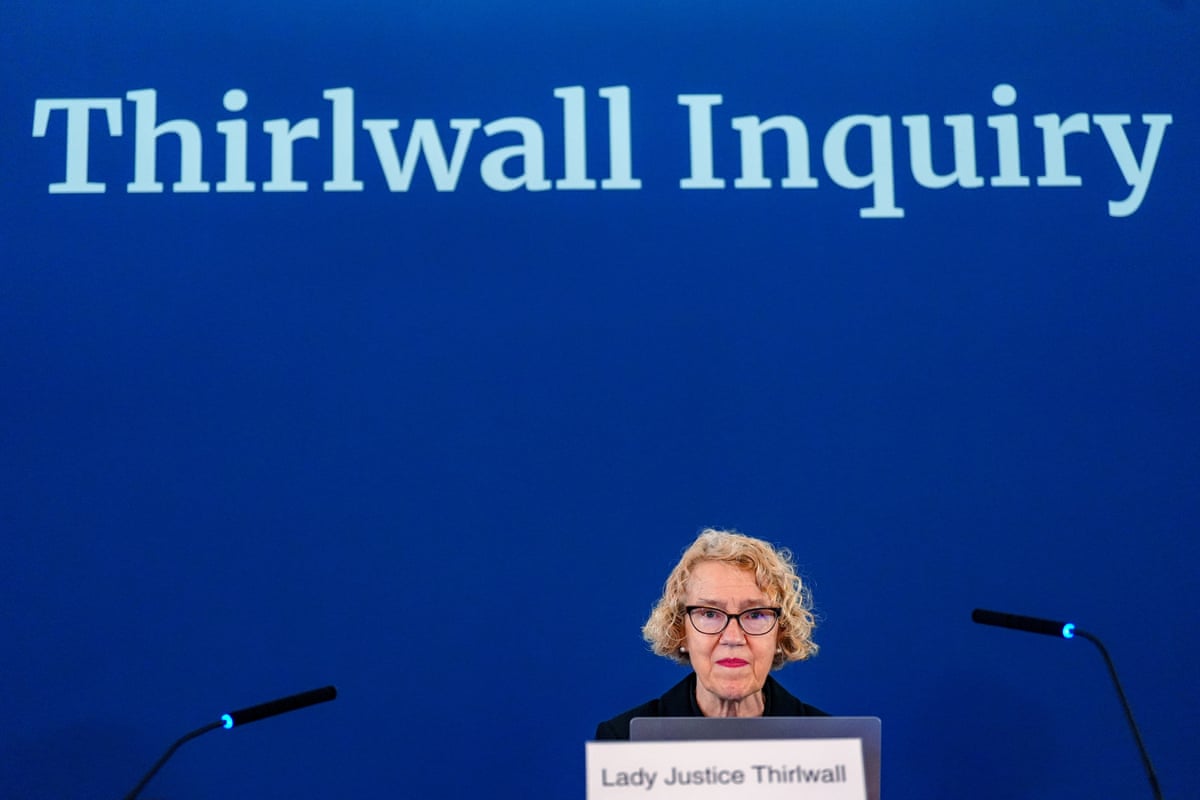
Lady Justice Kathryn Thirlwall's comprehensive independent public inquiry into events at the Countess of Chester hospital has concluded with damning findings about systemic failures that allowed former neonatal nurse Lucy Letby to harm multiple infants. The inquiry, which examined hospital management and governance from 2015 to 2018, calls on NHS England to implement 14 significant changes by 31 March 2027.
Who is Lucy Letby and what prompted this inquiry?
Letby, aged 36, is serving 15 whole-life prison sentences following her conviction for the murder of seven newborns and the attempted murder of seven others at the Countess of Chester hospital in north-west England between June 2015 and June 2016. The former neonatal nurse maintains her innocence and continues to pursue appeals against her convictions.
The Thirlwall inquiry was established as an independent public investigation led by Lady Justice Kathryn Thirlwall, a senior court of appeal judge. The inquiry examined the circumstances at the neonatal unit that enabled Letby's offences to continue unchecked, with the dual purpose of providing answers to victims' families and identifying systemic lessons for the NHS. The investigation also scrutinised the response and conduct of NHS leadership, individual staff members, and regulatory bodies responsible for oversight.
What were the inquiry's main conclusions?
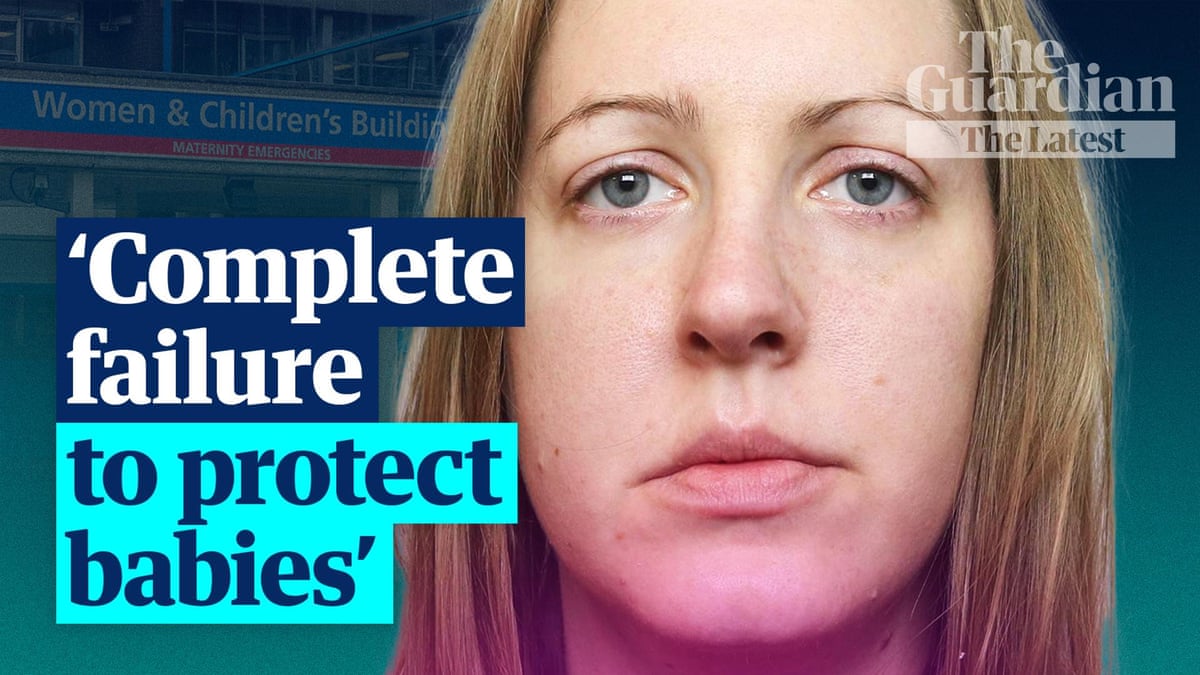
Thirlwall identified a "complete failure" in safeguarding arrangements on the neonatal unit. When delivering her findings at Liverpool town hall on 15 September 2026, she described a hospital environment characterised by dysfunctional management and governance structures, a significant disconnect between senior leadership and clinical staff, and a fundamental misunderstanding of safeguarding principles among those responsible for patient protection.
According to reporting on the inquiry, the chair concluded that Letby was able to murder seven babies because of systemic failures in the hospital's protective mechanisms. The final report itself comprises a three-volume, 772-page document that examines these failures in comprehensive detail.
Could preventable deaths and harm have been avoided?
Thirlwall concluded that multiple infants could have been protected had hospital leadership responded appropriately to emerging concerns. Specifically, she found that two newborn twins would not have died and five other infants would not have suffered harm if Letby had been removed from the unit at an earlier stage. Additionally, a third baby—a two-month-old girl—and two other children who experienced unexplained collapses might have been protected if a doctor had identified an earlier insulin poisoning incident on the unit.
One of the affected infants, now aged 11, sustained a lifelong brain injury requiring round-the-clock care. In total, Thirlwall's analysis determined that nine babies and seven others could have been protected through timely intervention.
Why did hospital leadership fail to act on clinical concerns?
Senior doctors grew progressively alarmed by Letby's apparent connection to an unusual cluster of deaths and serious incidents on the unit and communicated their concerns to hospital executives. However, the Thirlwall inquiry established that senior nursing staff effectively disregarded these clinical warnings, and there was a "prolonged delay" before police involvement was initiated.

Thirlwall characterised the hospital's response as particularly troubling because clinicians who raised concerns were themselves subjected to investigation through what she described as a "deplorable" grievance process initiated by Letby after she was finally removed from the neonatal unit in July 2016. Rather than having their professional judgement validated, the doctors who identified the risks faced institutional retaliation.
How were families treated during this period?
The inquiry found that parents were systematically "kept in the dark" for years regarding what had occurred to their babies and the possibility that their infants may have been deliberately harmed. Thirlwall described this treatment of families as "reprehensible," highlighting a failure in transparency and communication that compounded the trauma of their losses.
What specific changes does the inquiry recommend?
The Thirlwall inquiry has issued 14 recommendations designed to prevent similar failures in future. These include the installation of baby monitors on all cots and incubators throughout neonatal units, enabling parents to observe their infants "remotely at any time," and the placement of CCTV cameras specifically focused on insulin storage refrigerators to prevent tampering.
Thirlwall stated that NHS England should "set out a roadmap" for implementing these monitoring measures by 31 March 2027. Following the report's publication, Health Secretary Yvette Cooper announced that the government would "urgently develop plans" to introduce live-streaming monitors on cots in neonatal wards across England. The broader set of recommendations addresses the governance, management, and safeguarding culture that allowed systemic failures to persist unchecked.
Does the report address claims about Letby's innocence?
The inquiry was conducted entirely on the basis that Letby was guilty of the offences for which she was convicted. All of Letby's attempts to appeal against her convictions have been dismissed. The inquiry's remit did not extend to examining questions of guilt or innocence; instead, it focused exclusively on institutional failures and systemic lessons.
A separate review is currently underway to determine whether there exists a "real possibility" that Letby's convictions would not be upheld, a process that could potentially trigger a referral back to the appeal courts. The miscarriages of justice watchdog has indicated it will examine the Thirlwall inquiry's conclusions to assess whether they have any bearing on its ongoing case review.
What happens next?
NHS England and the government are expected to work through the inquiry's 14 recommendations, with particular focus on implementing neonatal monitoring systems and other safeguarding improvements. Ministers have committed to developing detailed implementation plans with a target completion date of 31 March 2027. The recommendations will require coordination across NHS trusts and regulatory bodies to ensure consistent application of new safeguarding standards across all neonatal units in England.
Key Facts:
- The Thirlwall inquiry examined events at Countess of Chester hospital from 2015 to 2018 and found a "complete failure" to protect babies on the neonatal unit
- The inquiry concluded that at least nine infants could have been protected if hospital leadership had acted on clinical concerns about Letby
- Senior doctors' warnings were dismissed by nursing staff, and clinicians faced retaliation through grievance procedures rather than being believed
- The inquiry recommends 14 changes including baby monitors on all cots and CCTV on insulin storage areas, with implementation targeted by March 2027
- Parents were kept uninformed for years about potential deliberate harm to their babies, which the inquiry described as "reprehensible"