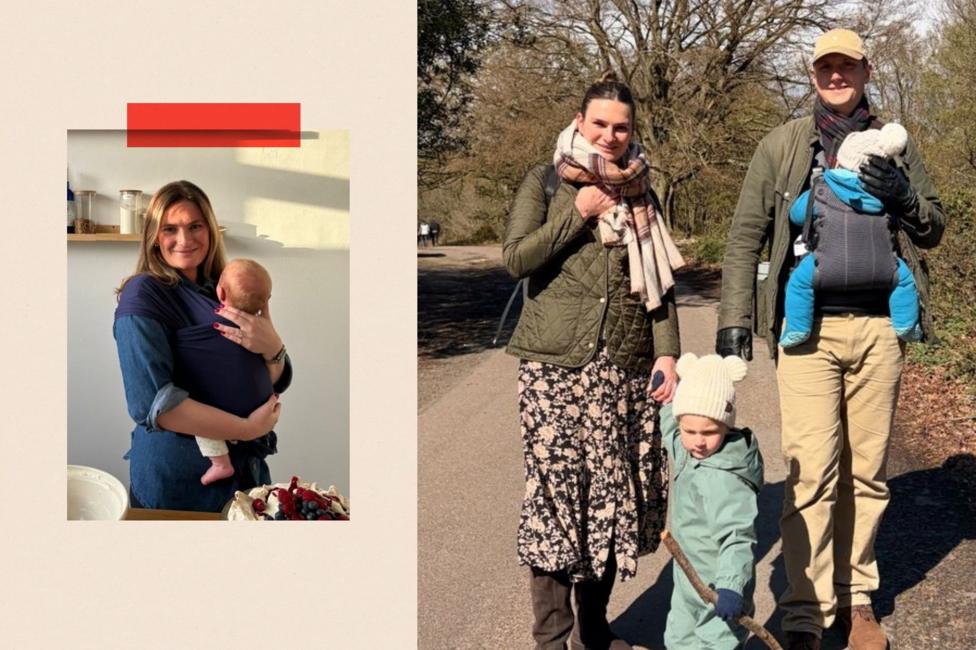
Rosie Whitfield had envisioned herself as a calm, composed parent before her two sons arrived. Reality proved strikingly different. Following their births, she immersed herself in online research, gravitating toward gentle parenting—an approach emphasising empathy and mutual respect with minimal punishment but clear boundaries. Yet this search for the "right" method left her paralysed by doubt, convinced that ordinary decisions like allowing her children to watch television for 20 minutes while she completed household tasks or took a break would cause lasting psychological harm.
Rosie's experience reflects a broader crisis affecting contemporary families. Government research indicates that roughly two-thirds of parents with young children experience overwhelming stress from the sheer volume of parenting information available, compounded by contradictory guidance. Many turn to social media platforms seeking reassurance, yet this often intensifies rather than alleviates their anxiety. Research from the charity Action for Children reveals that parents of teenagers frequently contact the organisation seeking help with school avoidance, ADHD, or mental health concerns, only to disclose their own struggles with anxiety, exhaustion, and uncertainty about maintaining empathetic parenting while approaching burnout.
The question becomes urgent: does the proliferation of parenting advice genuinely support families, or does it undermine parental confidence and wellbeing? Is there truly an optimal approach to raising children, or have contemporary parents sacrificed their natural instincts in pursuit of an unattainable ideal?
How did parenting become so complicated?
Modern parents navigate an bewildering array of parenting philosophies, each marketed as a distinct "brand." Helicopter parenting emphasises close monitoring and protection from harm. Tiger parenting involves strict discipline and demanding achievement standards. Snowplough parents attempt to eliminate obstacles from their children's paths, while dolphin parents aim for firmness balanced with flexibility. Each approach claims superiority, yet their proliferation creates confusion rather than clarity.
Matilda Gosling, author of Evidence-Based Parenting, argues that these competing frameworks unnecessarily complicate what should remain fundamentally straightforward: the relationship between a parent who loves their child and provides appropriate boundaries. She observes that parenting trends typically represent pendulum swings, with each generation attempting to correct perceived failures of its predecessor. Gentle parenting exemplifies this pattern, representing a reaction against the strict, emotionally detached parenting style prevalent during the 1990s, which relied heavily on controlled crying, the naughty step, and time-out strategies.
What does research actually say about effective parenting?
Developmental psychologist Diana Baumrind's framework, one of the most extensively researched parenting models, identifies four distinct styles plotted across two dimensions: warmth and control. Authoritative parenting—combining high warmth with high control—emerges as the gold standard. Children raised with this approach typically achieve superior academic results, develop higher self-esteem, and demonstrate stronger social skills. Authoritarian parenting (low warmth, high control) produces different outcomes, as do permissive (high warmth, low control) and neglectful (low warmth, low control) approaches.
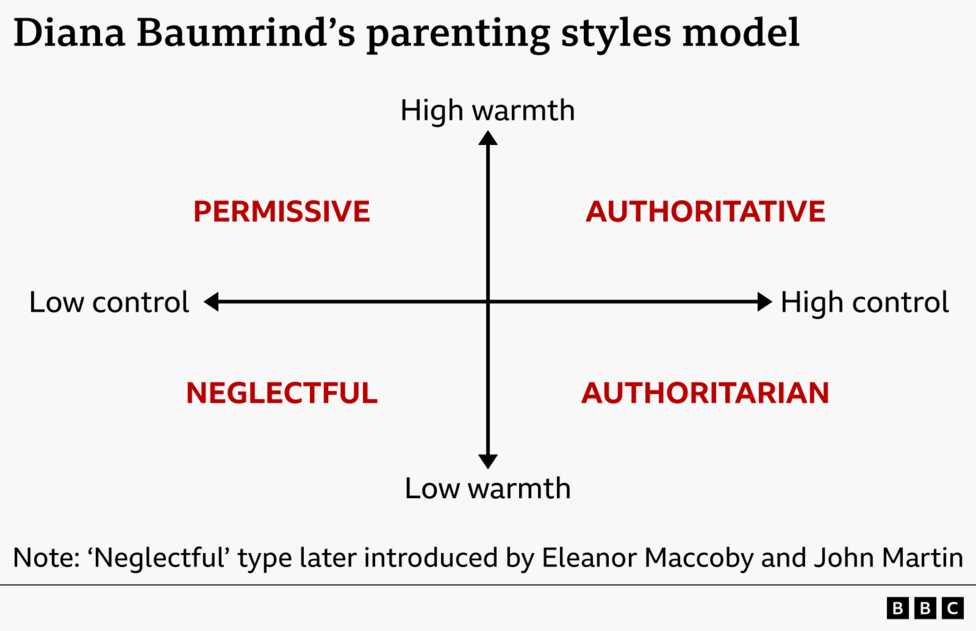
Where gentle parenting fits within this framework remains contested. Gosling, having reviewed more than 1,000 studies, contends that gentle parenting occupies the permissive category, with children exercising such substantial control that external safety structures dissolve. However, Sarah Ockwell-Smith, widely credited with coining and popularising the term "gentle parenting," vehemently disagrees. She positions gentle parenting firmly within the authoritative category, emphasising that clear boundaries remain "super important." The distinction, she argues, lies in how discipline functions: not as punishment but as teaching and learning rooted in understanding child brain development.
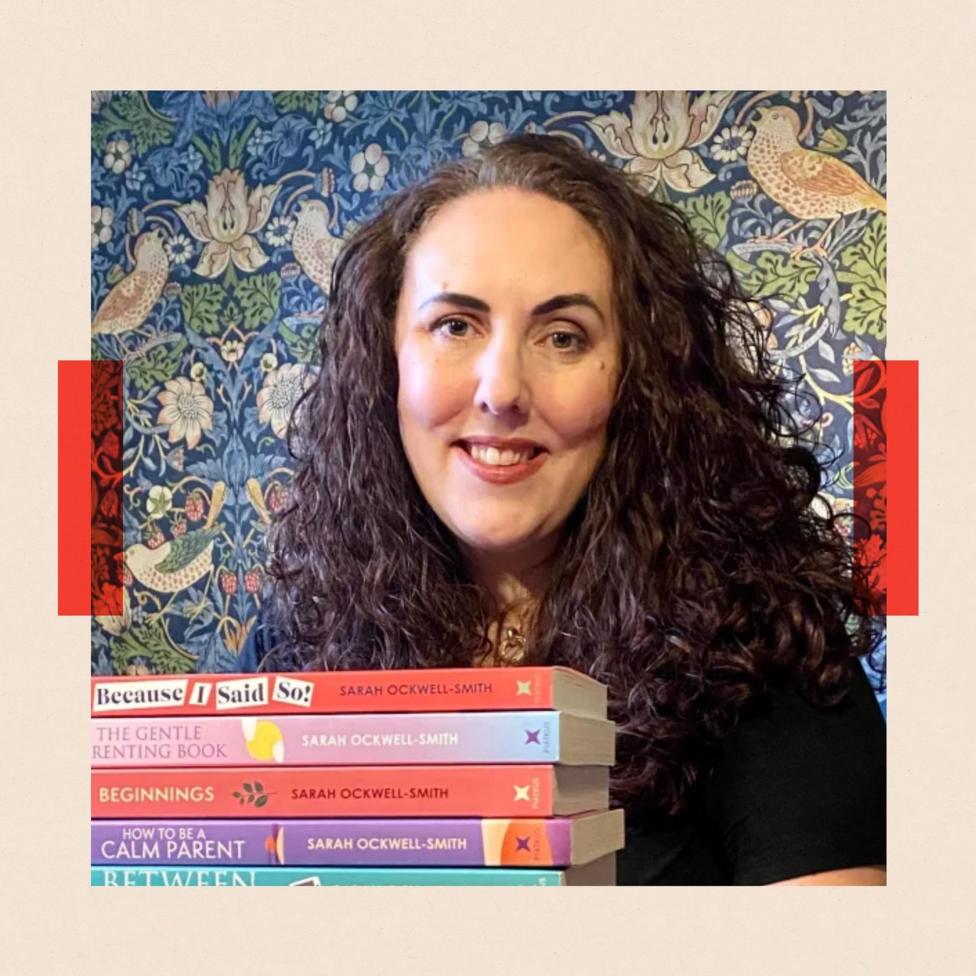
Social media, however, circulates images of exhausted parents calmly negotiating with children experiencing supermarket meltdowns—a portrayal that frustrates Ockwell-Smith.
"I have to step away from the Instagram reels and the TikToks because I just want to comment, 'This is not gentle parenting'. You have house rules, family limits, discipline and consequences. But the difference is we look at discipline as learning and teaching rather than punishing."Despite its popularity, Ockwell-Smith maintains that gentle parenting remains a fringe movement, with authoritarian parenting continuing to dominate.
When did parenting become a public concern?
Approximately 80 years ago, American paediatrician Dr Benjamin Spock published Baby and Child Care, which sold millions of copies and became the definitive parenting resource for generations. His opening line—"Trust yourself. You know more than you think"—challenged the rigid parenting norms of his era. Over subsequent decades, parents encountered expanding advice from increasingly diverse sources.
A pivotal transformation occurred during the 1990s when parenting became a focal point of public policy. Politicians began framing parenting as "the hardest job in the world," arguing that children lacked instruction manuals and that parents required systematic guidance and education. Consequently, advice proliferated across nearly every dimension of family life: tummy time, feeding methods, appropriate buggies, sleep schedules, and developmental milestones.
Professor Ellie Lee, director of the Centre for Parenting Culture Studies, notes that while certain public health campaigns proved necessary—such as guidance against placing infants on their stomachs following research into sudden infant death syndrome—the expanding culture of advice paradoxically increased parental anxiety.
"Dr Spock's 'trust yourself' philosophy is now a very counter-cultural piece of advice. What we say instead is 'always seek help'."This shift has intensified parental worry about executing parenting "correctly," transforming routine decisions into high-stakes choices.
Lee emphasises that many issues now presented as critically important carry far less weight than parents assume. Exclusive breastfeeding for six months or the precise quantity of tummy time required, for instance, generate disproportionate parental stress.
"It's terrible because parents become completely exhausted."
What misinformation are parents encountering?
Beyond the volume of advice lies a more troubling problem: guidance that is fundamentally incorrect. Ruth Watts, a health visitor, began sharing content on social media after witnessing alarming misinformation circulating online. She observed self-proclaimed "experts" advising parents to introduce solids prematurely, offering untrained treatment guidance for tongue tie or allergies, and recommending that infants sleep in separate rooms before six months—advice contradicting established safety guidelines.
Many families, Watts argues, face intensified pressure as working hours extend while health services contract. Parents increasingly turn to online sources for breastfeeding, behavioural, and sleep support, seeking the personalised, conversational approach offered by social media influencers rather than navigating impersonal websites. This dynamic creates vulnerability to misinformation from unqualified sources.
Recent data underscores this challenge. A 2025 government survey found that 57% of parents with children aged up to four remain unclear where to locate reliable advice, and an identical proportion reported that mistrust of available guidance led them to delay or avoid important decisions.
Has parenting actually become harder, or have expectations changed?
Debate persists regarding whether parenting has genuinely become more difficult or whether expectations have simply escalated. Multiple factors influencing family life remain beyond parental control: a child's temperament, special educational needs, family support systems, financial circumstances, and parents' own upbringing all shape family dynamics.
Some argue that contemporary parents confront more complex challenges than previous generations, particularly regarding young people's mental health. Concerns about excessive screen time, reduced outdoor activity, and schools reporting increased behavioural difficulties and diminished respect for authority suggest genuine shifts in the parenting landscape. Professor Lee contends that parental confidence has reached historic lows, with many parents hesitant to discipline children due to anxiety about emotional consequences.
Recent research from Action for Children documents escalating parental wellbeing concerns. According to the charity's September 2026 report, parental wellbeing concerns appeared in 40% of its one-to-one support cases involving 10–15-year-olds during 2025/26, rising sharply from 28% in 2022/23. Furthermore, 82% of cases where a parent raised their own wellbeing also included concern about the child's wellbeing. The transition to secondary school emerges as a particular pressure point, as families lose established support networks precisely when children's needs become increasingly complex.
Historical context reveals the severity of current burnout. A 2021 Action for Children survey of more than 2,000 parents found that 82% reported at least one warning sign of parental burnout during the pandemic, with anxiety identified as the most common indicator at 46%.
Can structured courses help parents regain confidence?
Confronted with confusion about the "correct" parenting approach, some parents have turned to structured courses for guidance. Aymara Lamche-Brennan, mother to a 22-year-old daughter, four-year-old son, and six-month-old daughter, enrolled in a Circle of Security parenting course after another parent mentioned it at the school gate. The promotional material resonated: "It's the toughest job in the world." Aymara sought practical strategies rather than prescriptive rules.
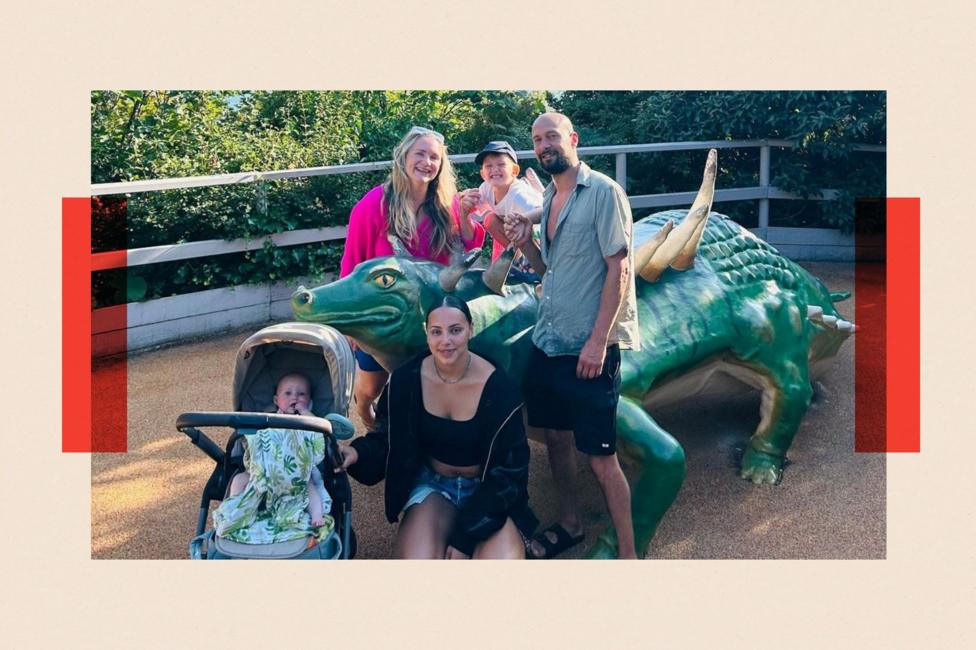
She contrasted her approach to her eldest daughter, whom she parented at age 19 with minimal deliberation about parenting styles, simply integrating her into daily life. With her younger children, Aymara wanted to identify "simple wins"—actionable strategies rather than overwhelming philosophy. The Circle of Security course provided practical tools enabling her to help her children organise their emotions, take charge when necessary, and recognise her own stress signals.
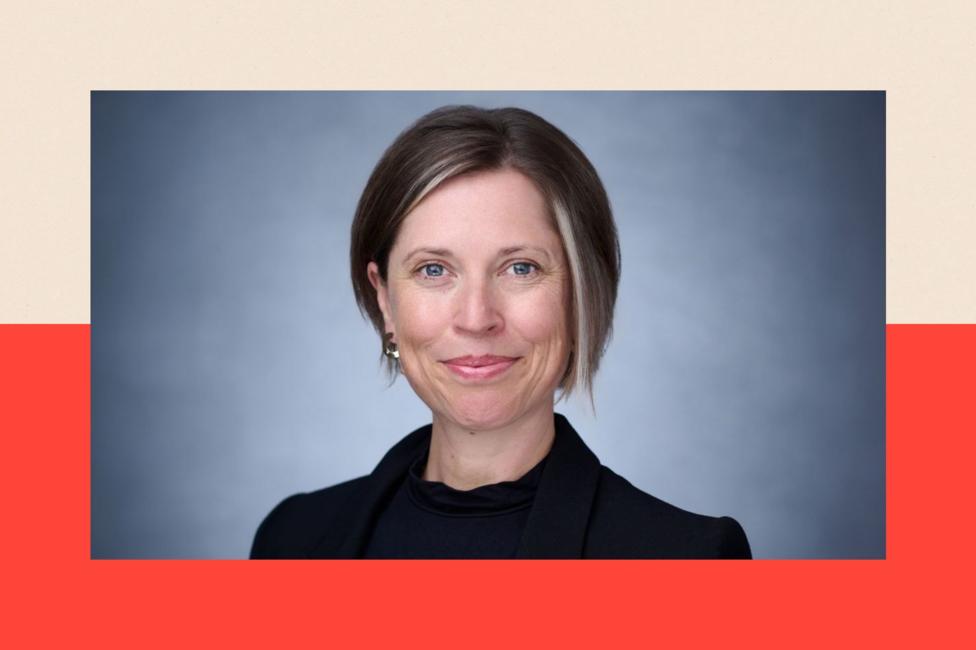
Jennifer Peters, a former social worker and director of Connected Lives, which operates parenting courses across London, Derbyshire, and Cambridgeshire, emphasises that guidance differs fundamentally from instruction.
"It's not telling you how to parent. It's helping you think."Most parents desire the best outcomes for their children but lack clarity about achieving those goals. Peters argues that group experiences prove particularly valuable, allowing parents to recognise they are not isolated in their struggles and to step back from the relentless information stream.
How can parents reclaim their instincts?
For Rosie, the arrival of her second son catalysed a fundamental shift. Recognising that her children possessed dramatically different temperaments, she abandoned the search for a universal solution. A subsequent visit to her mother in Birmingham provided crucial perspective. When her eldest son threw a tantrum, Rosie found herself wrestling with familiar anxieties: would sending him to his room cause emotional damage? Might he develop an attachment disorder?
Her mother's response cut through the noise:
"Just send him upstairs. He can't hit his brother over the head with a horse [if he is upstairs]. Follow through with your actions."This "generational advice" resonated with Rosie, who has begun sharing her experiences on social media to demonstrate to other mothers that they are not alone in their struggles. Reflecting on her early parenting years, Rosie identified one crucial realisation:
"There isn't the perfect parent."
Ockwell-Smith advocates for parents to trust their own judgment.
"Actually, parents should just learn themselves and go on intuition."Yet she acknowledges that the volume of advice has become
"deafening and confusing."The challenge lies not in eliminating guidance but in filtering it through parental wisdom and individual family circumstances.
Key Facts
- Two-thirds of parents with young children report feeling overwhelmed by available parenting information and struggle with conflicting advice
- Parental wellbeing concerns in Action for Children support cases involving adolescents rose from 28% in 2022/23 to 40% in 2025/26
- Research shows authoritative parenting—combining warmth with clear boundaries—produces superior outcomes in academic achievement, self-esteem, and social skills
- 57% of parents with children aged up to four are unclear where to find reliable parenting advice, with the same proportion delaying decisions due to mistrust of guidance
- Dr Benjamin Spock's foundational advice to "trust yourself" has become counter-cultural in an era emphasising constant professional guidance