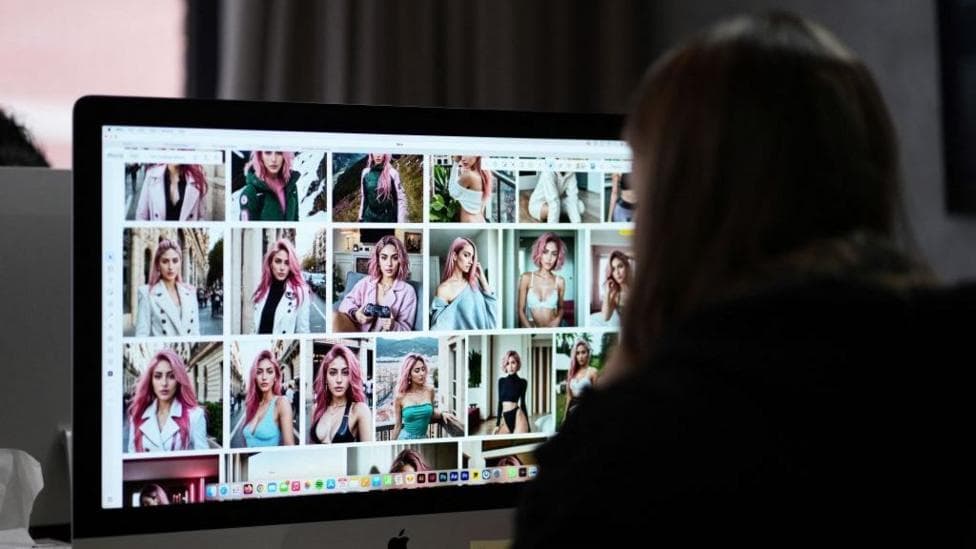
Artificially generated models are becoming increasingly prevalent across social media and advertising platforms, raising concerns among mental health professionals and those with lived experience of eating disorders about their potential impact on vulnerable young people.
Mia Perumal, a 19-year-old student at Cardiff University who has recovered from an eating disorder, expressed alarm at how the technology could intensify unrealistic beauty standards. She believes that had such tools existed during her illness, the consequences would have been severe.
It's all very well saying 'oh, it's AI, it's not real,' But eating disorders don't really listen to rationality.Perumal has observed a surge in extremely thin AI-generated figures on social media over the past year, often accompanied by comments from young girls expressing admiration and requesting fitness advice from accounts they believe belong to real people.
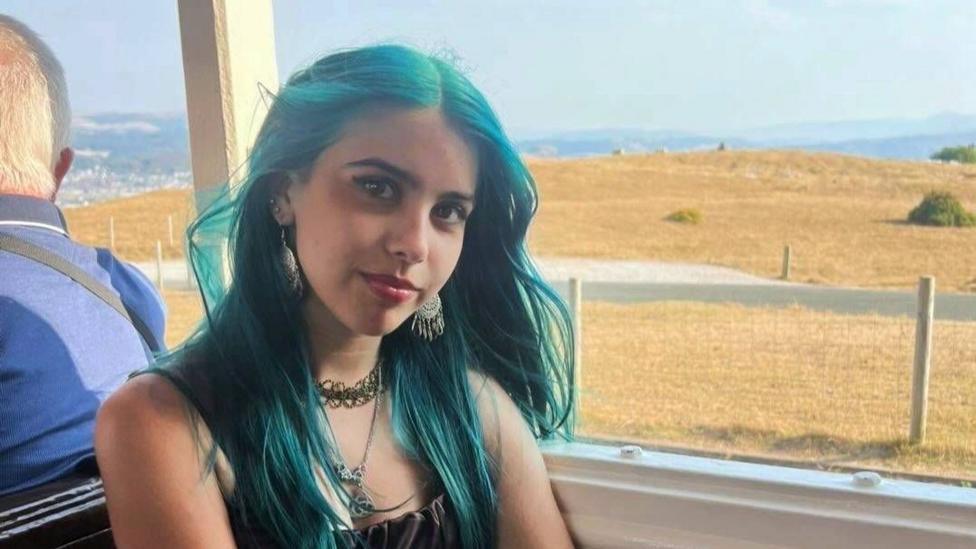
The difficulty in distinguishing genuine content from AI-generated material compounds the problem. Perumal noted that AI-generated videos and photographs have become increasingly difficult to identify, and she advocates for stricter regulation of such content.
It's really sad because looking like AI models is completely unobtainable,she said, emphasizing that regulation represents the only viable approach to preventing harm. She urged young people to
be cautious, question everything.
Kelly Watts, now 41, experienced body comparison anxiety as a teenager in the early 2000s, constantly measuring herself against peers and magazine imagery. She now worries that her 11-year-old son Oscar will face similar pressures from AI-generated content. As a marketing freelancer, Watts encounters AI-generated business images regularly, often without clear labelling to distinguish them from authentic photographs.
At first, I didn't realise they were AI, but the more you see it, the more you can't unsee it. Now, I see it on quite a regular basis,she explained.

Although Oscar does not yet use social media and primarily watches YouTube, Watts fears AI-generated content has infiltrated that platform. While her son enjoys rugby and is becoming aware of physical differences among his peers, she is concerned that exposure to unrealistic AI-generated physiques could create damaging expectations.
Especially with children, it's going to be 'can they ever get to that point? It's putting a lot of pressure on them, which they don't need. No one and nothing is perfect. I don't want him growing up thinking he has to be perfect.
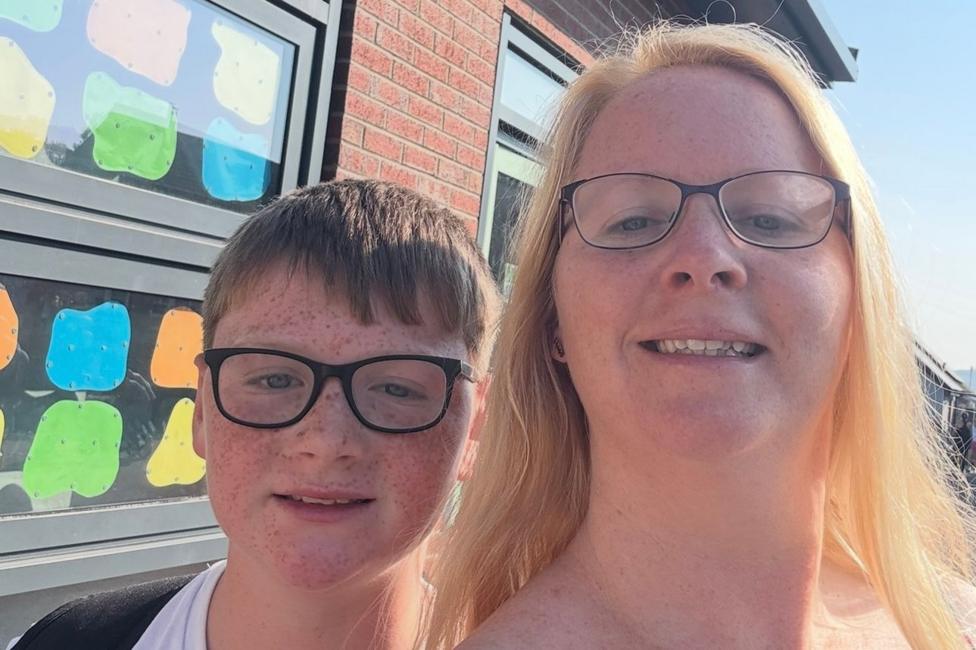
Watts acknowledged the challenge of competing with influencer culture, noting that
I'm his mum, and the last person he's going to listen to over a big influencer,even when that influencer is artificial. She stressed the importance of AI literacy and the ability to distinguish authentic from fabricated images.
At what point do we need to be aware that it potentially can be damaging to us and our children, and AI should definitely be labelled more. Why do we want to compare ourselves to a robot instead of a human?
How does AI comparison affect psychological wellbeing?
Phillippa Diedrichs, professor of psychology at the Centre for Appearance Research at UWE Bristol, explained that humans naturally engage in social comparison, particularly with narrowly defined beauty standards.
If we're comparing ourselves to a very narrow beauty standard, which typically tends to be the case, the beauty ideals that we have are very narrowly defined, and that inevitably means that many of us are not going to meet those beauty ideals. This is particularly the case with social media and digitally constructed images because they don't even exist in biological reality. We compare ourselves and when we fall short, this can lead us to doubt ourselves and feel negatively about our own appearance.
Research from the University of Sydney supports these concerns. A study examining 291 women aged 18–31 found that viewing AI-generated "fit ideal" images resulted in lower body appreciation, functionality appreciation and appearance satisfaction compared to viewing AI-generated images showing body diversity and functionality. The same research indicated that AI-generated imagery displaying body diversity and what bodies can accomplish may improve body-image outcomes, particularly for individuals prone to appearance comparisons or internalising appearance ideals.
Diedrichs noted that if AI were deployed to create greater diversity and inclusion, the psychological impact could shift.
When we compare ourselves, we feel alike and similar, which can either have a neutral or positive impact on our wellbeing.However, she warned that without deliberate design choices, AI systems tend to reinforce existing biases.
Unless the designers prompt AI to show realistic or diverse features, it's going to give you an image that defaults to the average data set of the narrow traditional beauty standards. So for example, people of colour, gender, queer people, people with kind of interesting and distinguishing facial features, it means that they're going to be left out. You can try and overcompensate that with the way you prompt and create these images. But if you don't do that, you're going to get very generic images, which tend to reinforce a lot of the biases that we have in society.
What are the risks of unlabelled AI content?
Beyond individual psychology, there are emerging concerns about deceptive AI-generated accounts. According to reporting by Axios, some AI-generated accounts pose as fitness influencers or promote wellness products, while others post AI-made before-and-after body transformations, with many posts not labelled as AI. Annie Seal, chair of the Missouri Eating Disorders Council, stated that the council was monitoring AI with
particular concern over content promoting unrealistic standards for weight, appearance and dieting.
The UK has begun addressing some of these harms through legislation. The Crime and Policing Act 2026, which received Royal Assent on 29 April, creates offences relating to intimate-image generators and requires platforms to remove reported non-consensual intimate images within 48 hours. Additionally, the UK's Online Safety Act framework treats creating or requesting the creation of a purported intimate image of an adult—including an AI-generated image—as a priority offence.
Can AI-generated models be identified?
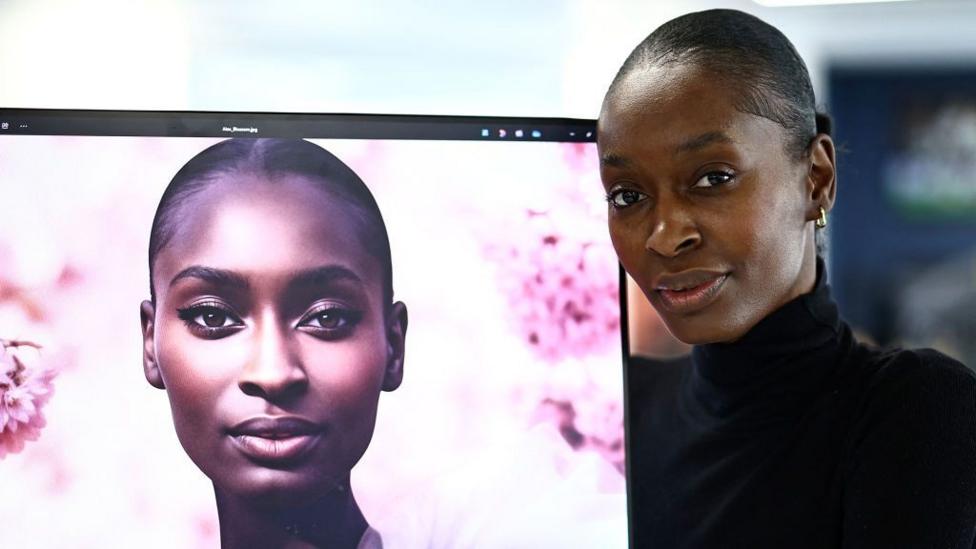
Diedrichs identified several visual markers that can help distinguish AI-generated content.
There are tell-tale signs like the texture of the skin or the eyes and how coily hair looks. The absence of blemishes or pores can be a good way of identifying AI,she noted, though she acknowledged that detection becomes increasingly difficult as the technology improves. Teenagers, she suggested, often possess greater technological awareness than older generations and can be critical consumers of such content. However, she cautioned that awareness alone does not eliminate the desire to emulate unrealistic images.
Diedrichs recommended that viewers assess whether content serves their wellbeing.
Does that make you feel good about yourself? Does it make you feel inspired, lit up? If it's making you feel lacking, that's a really important signal to pay attention to, and suggests that maybe this isn't for me to be looking at.
What are the commercial applications of AI models?
From a business perspective, AI-generated models offer potential advantages. Diedrichs noted that
AI models in advertising could enable small brands to have a large number of diverse models, or global brands to advertise in multiple markets. There could be these benefits for diversity.However, she expressed concern about the broader impact on creative industries, stating that
I would never like to see AI completely replace the artistry and creativity of humans.
Zoe Lee and Hannah Marriott, researchers at Cardiff Business School, documented that AI-generated fashion models and digital twins—virtual replicas of real models—are becoming increasingly common. Major brands including Balmain, Levi's and H&M have experimented with the technology. However, their research revealed that consumers frequently reacted negatively upon discovering that models were AI-generated rather than human. Focus group participants expressed a preference for
a real person and way less people representing us, but they be real,arguing that AI models could never authentically reflect lived human experience. Marriott noted that participants would
emotionally detach themselves from images once they discovered they had been generated by AI.
H&M stated that in 2025 it worked with real models to create
digital representations/twins of the models who themselves retained full control and ownership of their digital twin.The company noted that this
exploration was paused during spring 2025 to consider the next steps.Balmain, Levi's, TikTok, Meta and Google were contacted for comment but did not respond.
What regulatory action is expected?
The UK government is expected to report by 31 December 2026 on progress towards regulations addressing harms from illegal AI-generated content and AI services, unless draft regulations have already been laid before Parliament. This timeline reflects growing recognition among policymakers that the intersection of AI technology and body image requires urgent attention.
Consumer advocacy also plays a role in shaping corporate behaviour. Diedrichs emphasised that
as a consumer, you have a lot of power as well. You can express your views on this in the comment section. Brands will see.