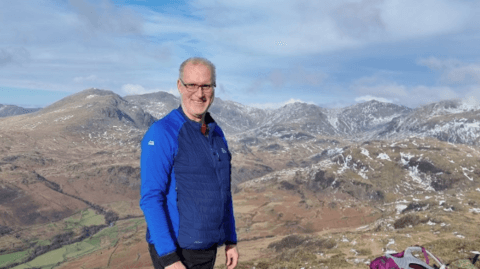
A 65-year-old man from Tetbury, Gloucestershire, has described how a diagnosis of incurable prostate cancer prompted him to reflect on decades of unprocessed childhood trauma that he now recognises shaped his entire adult life. Rex Mackrill says his greatest regret is not addressing the psychological wounds earlier, though he has come to understand that his terminal illness has taught him to find meaning in life's smallest moments—from the taste of food to watching birds navigate the wind.
Mackrill's journey began with a family history of prostate cancer, which led him to monitor his PSA levels regularly. When test results showed elevation, subsequent investigations revealed stage four prostate cancer that could not be cured. He underwent chemotherapy, an experience that exacted a heavy physical price and left him managing ongoing side effects from hormone treatment, particularly severe fatigue that forced him to step away from his career as a GP practice manager.
"I knew there was something wrong. I knew there was a blackness that I was carrying and I didn't know what it was, and I wish I'd known earlier,"he said.
How did childhood trauma remain hidden for so long?
For most of his adult life, Mackrill lived with persistent anxiety that he could not account for. He assumed this was simply his nature and something he would have to endure. The breakthrough came at age 60 when a life coach observed that he appeared to "shut down" during conversations about certain topics and suggested he had experienced trauma. This observation prompted him to seek professional help, leading to a diagnosis of post-traumatic stress disorder (PTSD) stemming from childhood abuse.
"I knew that I was frightened, but I didn't know why,"Mackrill recalled of his earlier years. Research indicates that delayed PTSD diagnoses are relatively common, with symptoms sometimes manifesting years or even decades after the original traumatic events. According to epidemiological data, approximately one in ten people in the UK are expected to experience PTSD at some point during their lives.
Initially resistant to accepting professional support, Mackrill gradually engaged with Cognitive Behavioural Therapy (CBT) and Eye Movement Desensitisation and Reprocessing (EMDR) therapy. These interventions fundamentally altered his relationship with anxiety and stress.
"I used to live at 10 out of 10 anxiety and I don't now,"he explained.
"It influenced all aspects of my life. People would say I was calm and collected, but they weren't aware of the stress and anxiety I carried."
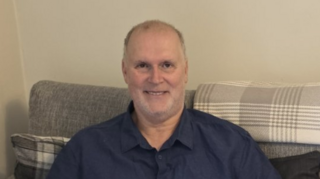
What has terminal illness taught him about living?
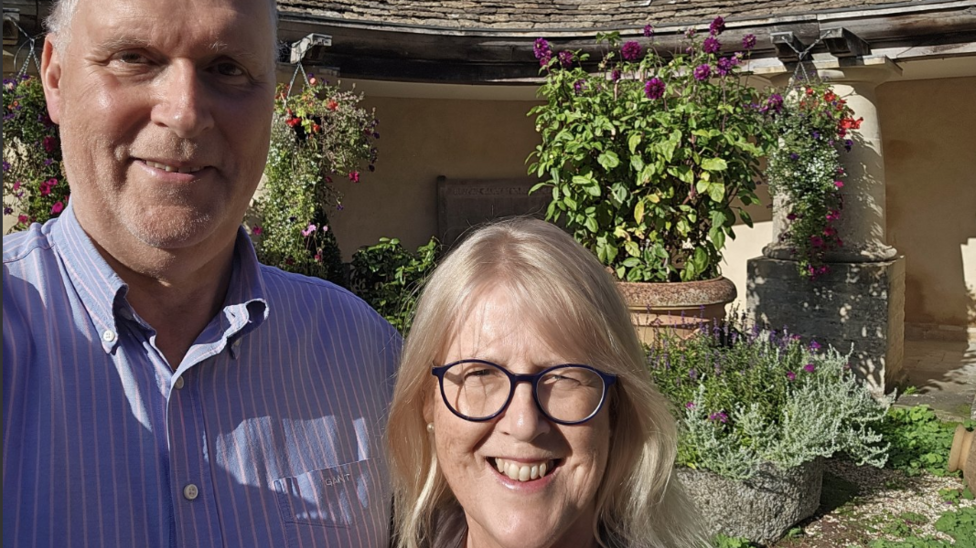
While the cancer diagnosis has fundamentally altered Mackrill's future, it has paradoxically clarified his priorities rather than changed them. His focus on family—particularly his relationship with his wife Sarah and their sons—has remained constant. What has shifted is his capacity to be fully present in ordinary moments, something he previously believed required dramatic settings or special occasions.
"I used to have to go to the Lake District to be present,"he said.
"Now I can be much more present wherever I am."
This shift in perspective manifested recently when he found himself absorbed by a simple observation outdoors. He watched rooks riding air currents, noticing how one bird, pushed off course by the wind, had to circle and adjust before landing precisely where it intended. The moment encapsulated his own philosophy: adaptation, persistence, and finding beauty in the struggle.
Mackrill now dedicates time to writing poetry and systematically donating possessions—including his car—to charitable causes. These actions reflect a deliberate effort to simplify his affairs and reduce the burden his death might place on those he leaves behind.
"I don't want to burden people with my stuff,"he said.
How is he preparing for the end of life?
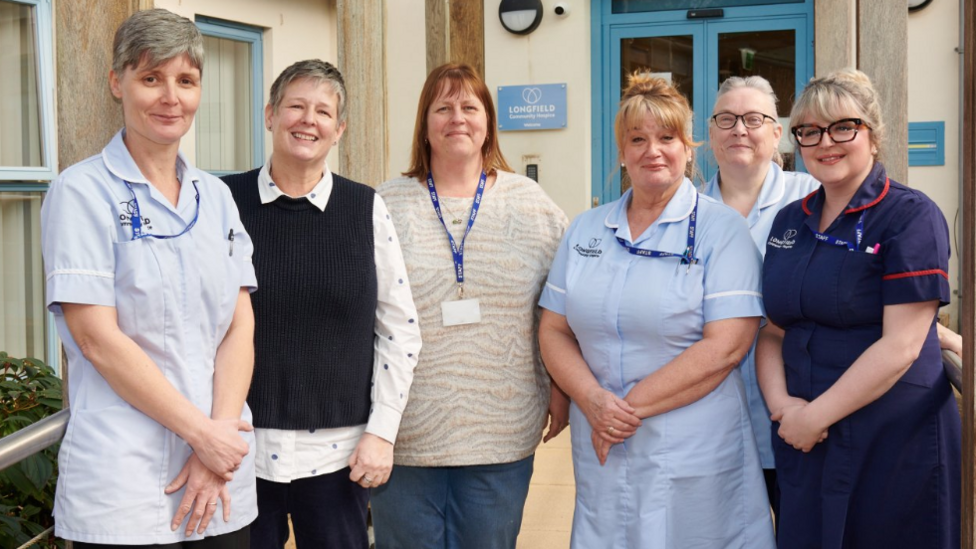
Mackrill has participated in structured sessions at Longfield Hospice in Minchinhampton, a facility that specialises in helping terminally ill patients and their families navigate end-of-life planning and articulate their wishes for final care. Sarah Mimmack, the hospice's director of care, emphasises that many families avoid these conversations due to discomfort, yet advance planning can eliminate uncertainty and reduce stress for loved ones left behind.
"If you've done this work before you die, it really helps your family and friends,"Mimmack said.
She noted a significant gap between where people actually die and where they wish to die: while approximately half of people in the UK pass away in hospital settings, only a small proportion report that hospitals would be their preferred location for their final days. The hospice team works with patients to clarify these preferences and ensure their wishes are documented and understood.
For Mackrill, the process of preparing for death has become an extension of his broader commitment to living fully in the present. Rather than viewing end-of-life planning as morbid, he has integrated it into his philosophy of intentional living.
What advice does he offer others?
Mackrill's counsel to anyone struggling with unresolved psychological distress is direct and unambiguous.
"Go get help. Go and see your GP. You don't have to live like that or carry it on your own. Go to a trusted friend and say there's something blocking you. They can help you find the support you need."
His overarching message transcends his specific circumstances. He urges people not to defer joy or meaning-making until circumstances force the issue, as his own diagnosis did.
"Enjoy the joy of life and see that this is a beautiful world we live in,"he said.
"We're so lucky. We can love every moment of it."