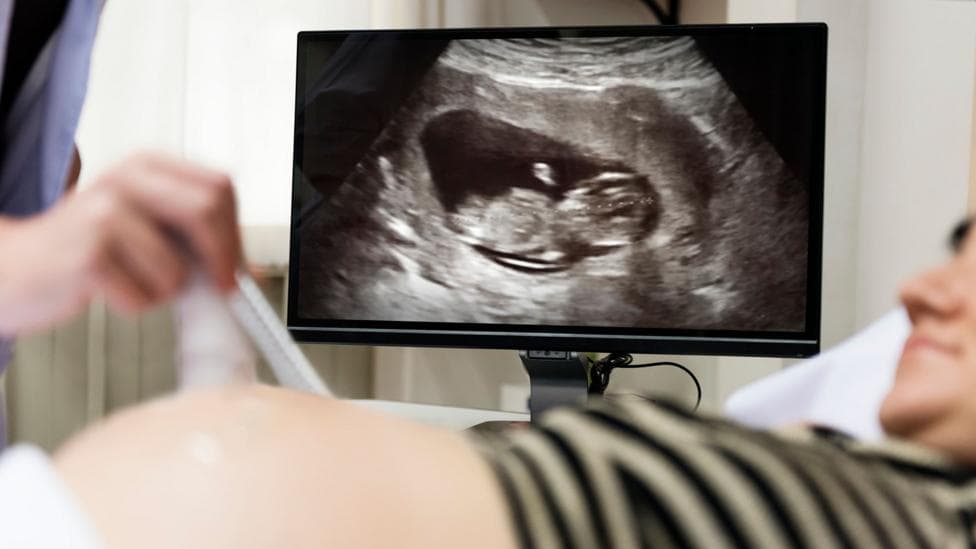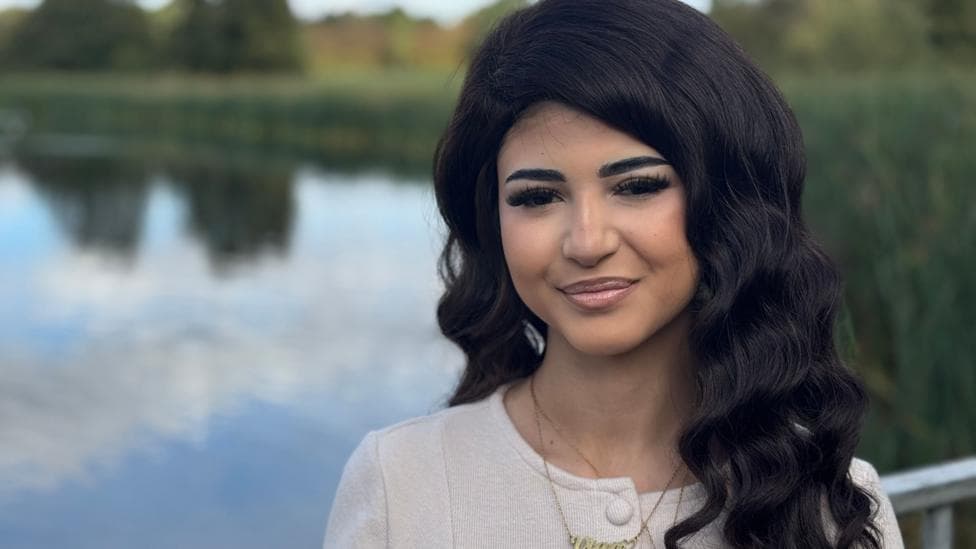
A 16-year-old from Coventry has become one of the first young people in the UK to benefit from pioneering gene editing that has eliminated her need for monthly blood transfusions. Vian, who was born with thalassaemia, a condition affecting how red blood cells transport oxygen, has experienced a dramatic improvement in her quality of life following the groundbreaking treatment. Her stem cells were edited and reinfused into her body last December, and she has now recovered well without requiring the transfusions that dominated her childhood.
The treatment, known as Casgevy (exagamglogene autotemcel), uses CRISPR technology to edit the BCL11A gene in a patient's stem cells, allowing them to produce higher levels of foetal haemoglobin. This approach addresses the root cause of both thalassaemia and sickle cell disease. The therapy is now available at three children's hospitals across the country for eligible young people aged 12 and over.
Vian's transformation has been profound.
"My whole life's different now. It's changed so much,"she said. The constant fatigue that once dominated her existence has lifted.
"It's much easier for me now. I always have energy to do stuff. I'm like, 'mum let's go out'. Before, I would just sleep, always tired."
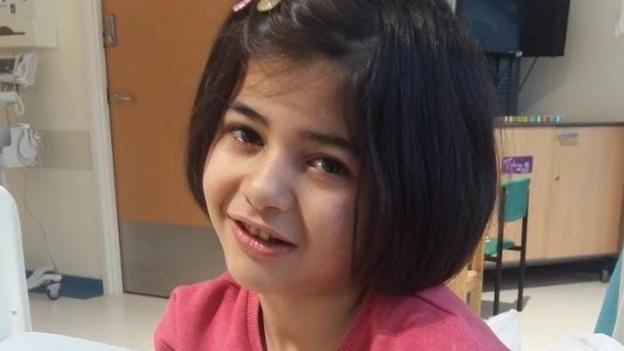
The teenager has now enrolled in health and social care studies at college with aspirations of becoming a nurse—a career path shaped by her years navigating the healthcare system.
"I have more options now. Before, I couldn't do most things other kids could. I usually sat out of PE. I really love PE, but I couldn't do that."
How does the gene editing treatment work?
Consultant haematologist Dr Sarah Lawson describes the approach as a "functional cure"—the underlying disease remains, but the symptoms that cause suffering are eliminated. The process begins by collecting a patient's stem cells, which are then sent to a manufacturing laboratory for editing.
"We collect the stem cells. They are sent off to a manufacturing laboratory where they are edited...and that changes how those stem cells work and it makes them produce more foetal or baby haemoglobin,"Dr Lawson explained.
"And in a patient with thalassaemia, that allows them to be transfusion free, and [in] a patient with sickle cell disease, it gives them a high baby haemoglobin level, which then negates the problems with the sickle haemoglobin."
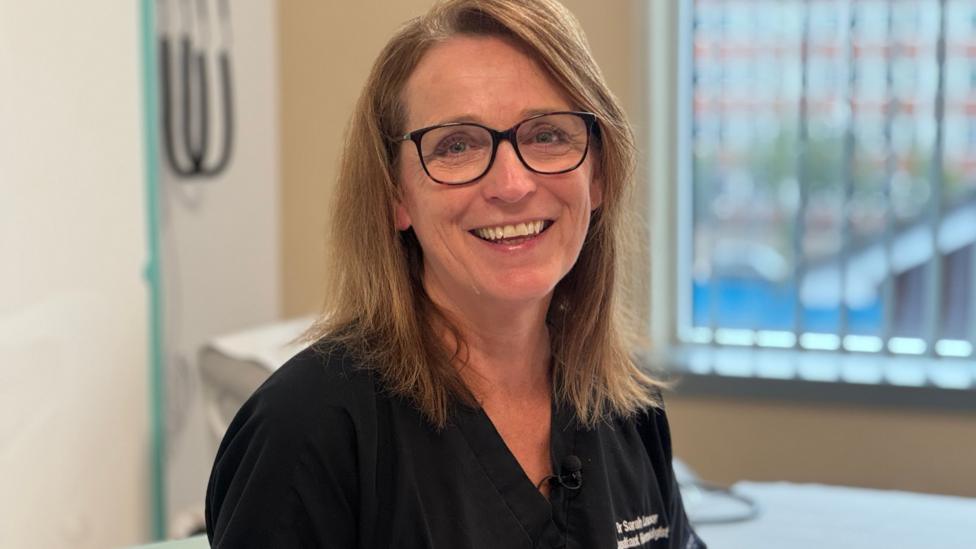
The clinical evidence supporting this approach is compelling. In global trials, 39 of 42 people with beta thalassaemia did not need blood transfusions for at least a year, and 28 of 29 sickle cell patients were free of severe pain for at least a year. Dr Lawson reflected on the remarkable speed of medical progress.
"When I was at medical school, which was a long time ago, I remember learning a little bit about gene therapy and it being talked about then. And for it now to be a reality 20-odd years later is incredible."
Who is eligible for this treatment?
The UK medicines regulator authorised Casgevy in November 2023 for people aged 12 and over with sickle cell disease or transfusion-dependent beta thalassaemia. According to NHS England's 2024 assessment, approximately 460 people aged 12 and over in England with transfusion-dependent beta thalassaemia could potentially be eligible for the therapy. The treatment is now being delivered through three specialist children's hospitals, making it accessible to young patients across the country.
What does the treatment involve?
The procedure requires several stages. First, stem cells are collected from the patient. These cells are then transported to a manufacturing facility where the genetic editing occurs. Following this, the patient undergoes chemotherapy to prepare their body to receive the edited cells. The edited stem cells are then reinfused, after which the patient's recovery begins. For those at the early stages of treatment, this entire process typically takes around six months from cell collection to reinfusion.
What is JoelSamuel's experience?
JoelSamuel, 14, from Oldbury, is at the beginning of his treatment journey. His sickle cell disease causes him excruciating pain and has resulted in numerous hospital admissions throughout his childhood. Like thalassaemia, sickle cell disease affects red blood cells and is typically a lifelong condition, causing joint damage and leaving patients feeling weak and exhausted. His stem cells were recently collected at Birmingham Children's Hospital, and he is expected to receive chemotherapy with reinfusion of his edited cells in approximately six months.
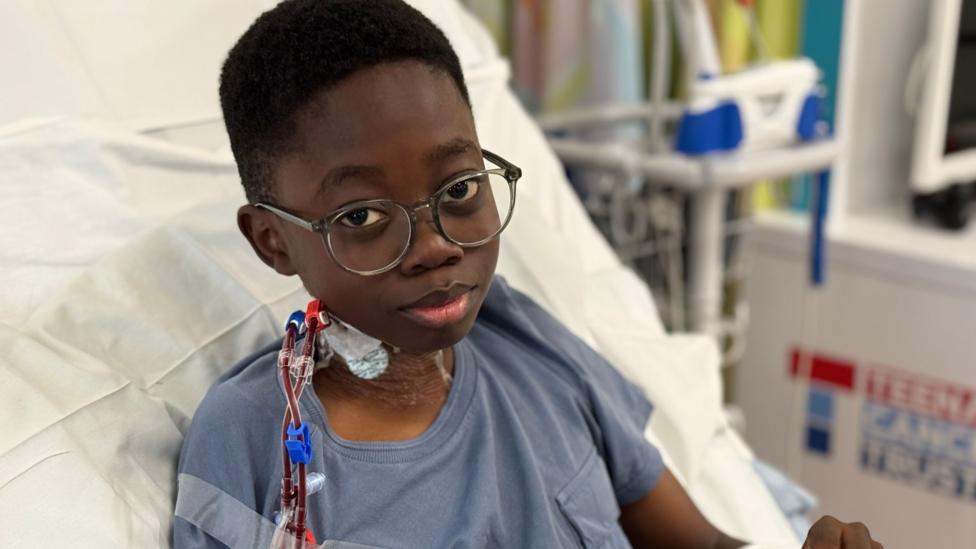
JoelSamuel's primary hope is to participate in sport, something currently impossible due to his condition.
"I get tired and then the next day I get sick and I won't be able to go to school,"he explained. Despite initial nervousness about the treatment, he feels optimistic about the prospect of improvement.
"I think it's good to make me better, so I can go and do stuff that takes my energy,"he said.
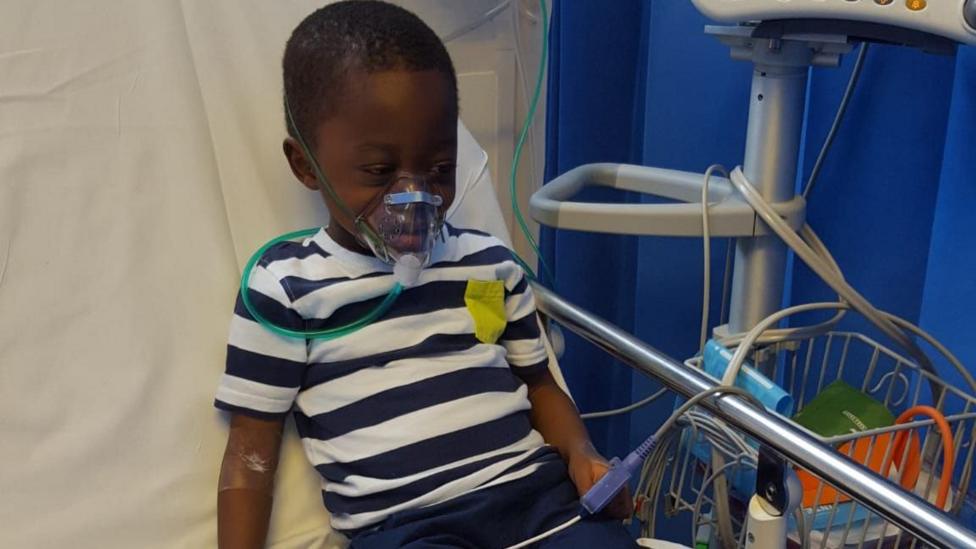
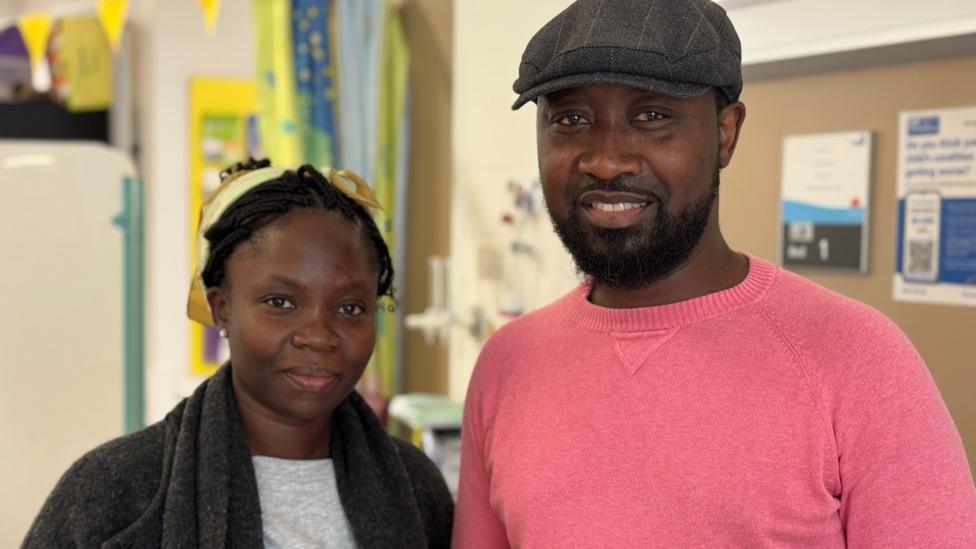
His parents, Alfred and Juliet, have carefully considered the treatment and approach it with cautious hope. Alfred, 47, who runs a logistics company, acknowledged that most published results involve thalassaemia patients rather than sickle cell disease patients.
"There are a few patients that have been on it, mainly with thalassemia instead of sickle cell. So we are hoping that we might get the same effects from it. Hopefully he might be able to play football after all."Juliet, 41, a seamstress, expressed her longing to see her son enjoy a normal adolescence.
"I just can't wait to see him doing the normal things that everybody does at his age."
What message does Vian have for others beginning treatment?
Vian, now discharged from hospital, offered encouragement to JoelSamuel and others embarking on this treatment path.
"Imagine all the things you can do while being healthy again. I think you can do it, I did it and so can you. I know it's going to be really hard and the trauma and everything, the nurses, the medicine, everything, but it's worth it."
What happens next?
JoelSamuel's treatment timeline mirrors that of other patients undergoing the procedure. Over the coming months, his edited stem cells will be manufactured at the specialist laboratory. He will then undergo chemotherapy to prepare his body, followed by reinfusion of his edited cells. His recovery and response to treatment will be monitored closely by the medical team at Birmingham Children's Hospital. The success of his case will add to the growing body of evidence supporting gene editing as a transformative approach for blood disorders in young people.
Key Facts
- Vian, 16, from Coventry, no longer requires monthly blood transfusions after receiving gene-edited stem cells last December
- The treatment uses CRISPR technology to edit stem cells, enabling them to produce higher levels of foetal haemoglobin
- Clinical trials showed 39 of 42 thalassaemia patients and 28 of 29 sickle cell patients remained free of transfusions or severe pain for at least a year
- JoelSamuel, 14, from Oldbury, is undergoing the same treatment with his edited cells expected to be reinfused in approximately six months
- The therapy is available at three children's hospitals in the UK for eligible patients aged 12 and over