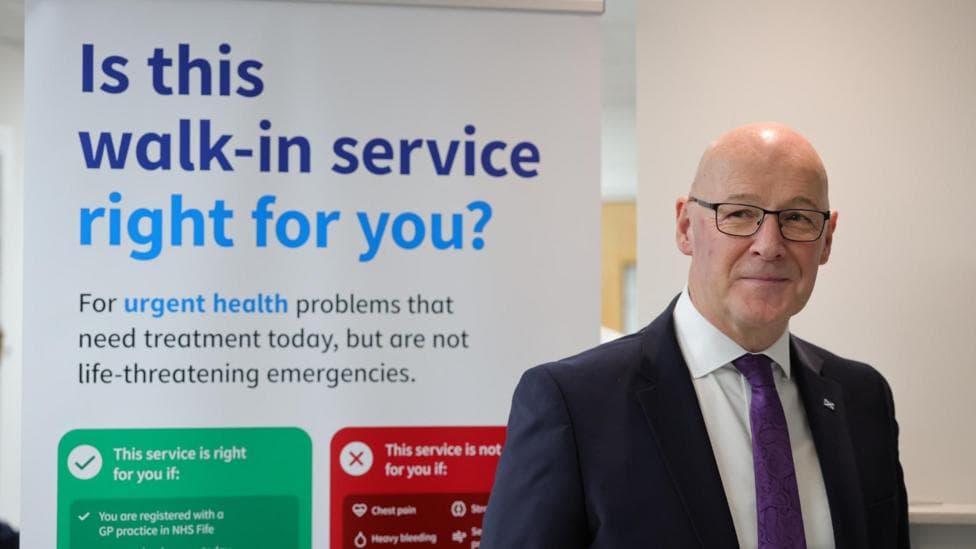
John Swinney has been accelerating efforts to fulfil the initial 100-day commitments he announced before the Holyrood election in May, with a series of announcements across the summer demonstrating the Scottish government's push to show momentum in its fifth consecutive term in power.
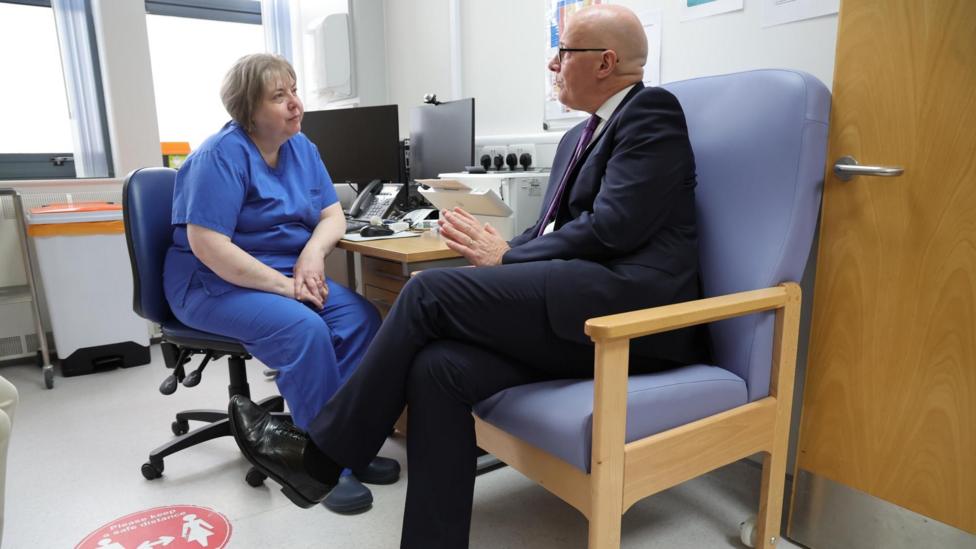
The first minister formally opened the 11th GP walk-in centre last week and revealed locations for an expanded network across Scotland, marking one of his headline pledges. However, the initiative alone will not resolve the persistent challenge of early morning appointment shortages or the broader backlog affecting the NHS. The Royal College of GPs and opposition parties have expressed scepticism, with early data pointing to underutilisation of existing centres.
Why the 100-day focus matters
The 100-day exercise serves to project an image of government energy and activity, a strategy Swinney shares with new UK Prime Minister Andy Burnham. Both leaders believe demonstrating tangible delivery is the most effective response to public disillusionment with politics. Some commitments prove simpler to achieve than others—formally requesting the transfer of energy powers from Westminster, for instance, required only a letter, and the absence of a reply has not prevented it from being counted as a pledge fulfilled.
What remains on the agenda
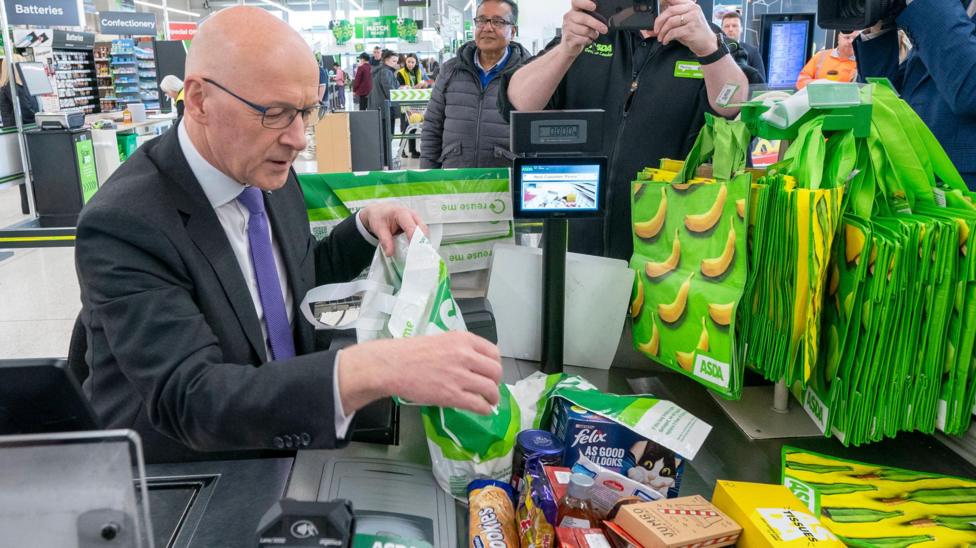
Several high-profile commitments from Swinney's list still await completion. On Tuesday, the government is expected to announce the extension of the £2 bus fare cap across west central Scotland. The same day should see the publication of draft legislation designed to ensure affordable prices for essential food items in supermarkets.
The food price proposal represents one of the most contentious pledges. According to Swinney's initial announcement, the cap would cover 20 to 50 essential items and apply to at least one brand of each item in large supermarkets, with the mechanism in place by year's end. The Scottish Government has confirmed that a consultation on the food price cap will be launched before the first 100 days conclude, alongside expansion of school breakfast clubs to address living costs.
Critics contend that such legislation could backfire by reducing payments to farmers and other producers, ultimately raising prices elsewhere to protect supermarket margins. The proposal may also conflict with UK internal market rules, though UK ministers have not indicated whether they would block it. The SNP appears intent on forcing a response from Westminster on this issue.
The food price cap is being framed by the SNP as a public health intervention comparable to minimum unit pricing for alcohol, rather than conventional price control. Swinney has stated that supermarkets, public health experts, poverty campaigners and farmers will be brought together soon after government formation to develop the approach.

The Programme for Government and beyond
The Scottish government has structured its 100-day count to conclude on Tuesday, the same date Swinney will present his Programme for Government to the Holyrood chamber. Any outstanding early commitments could be addressed in that statement, with opposition parties then holding the first minister accountable for unfulfilled pledges.
The programme will inevitably emphasise efforts to reduce living costs and NHS waiting times—the two issues that dominated election campaign discourse. It is also expected to prioritise public service reform, which the Scottish government has termed the "defining task" of this parliamentary term, with a dedicated cabinet minister appointed to oversee the agenda.
Public service reform remains a concept often difficult to define precisely. Based on available information, Swinney appears to have concluded that improving government requires a smaller state apparatus. Scotland currently operates 134 public bodies under government control, and ministers are seeking a "significant reduction" in that number. One informed source has suggested 75 bodies would be sufficient. While health board consolidation is confirmed, the ambition likely extends further, with specific proposals and a consultation process expected to guide subsequent legislation.
The programme should also address the SNP's manifesto pledge to expand childcare provision to all children from nine months of age through the end of primary school. A "substantial package" of measures to tackle violence against women is anticipated, and the government may use the occasion to clarify its position on conversion therapy bans now that Westminster has published its own plans—whether to align with UK legislation or pursue a distinct Scottish approach.
In pursuit of further devolution from Westminster, the government intends to collaborate with trade unions, churches, charities and other civic organisations to develop a "national ask" representing Scotland's collective interests.
Independence: from pledge to long-term strategy
Despite publishing a draft independence referendum bill on Friday, realistic prospects for another vote within the next five years remain minimal. The new UK Prime Minister has declared discussion of a further referendum "off limits" and indicated he and Swinney must "agree to disagree" on the matter. This does not signal an end to Swinney's independence advocacy; rather, expect him to persistently advance the case in an effort to build support.
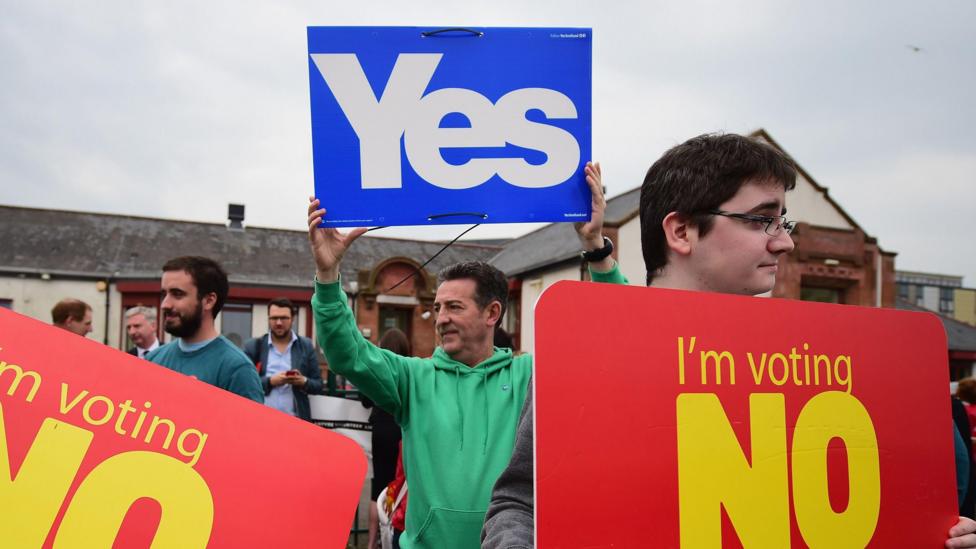
The independence debate has reverted to its position immediately following the 2014 referendum defeat—the most viable pathway to another vote requires sustained majority public support for independence. Swinney's strategy appears focused on gradually shifting that metric rather than pursuing an imminent referendum, a marked shift from earlier SNP positioning.
What happens next
The immediate priority is the publication of draft food price cap legislation within the first 100 days, followed by formal consultation on implementation details. The government's broader agenda will unfold through the Programme for Government statement on Tuesday, with public service reform, childcare expansion, and violence prevention measures forming the centrepiece of the administration's medium-term focus.