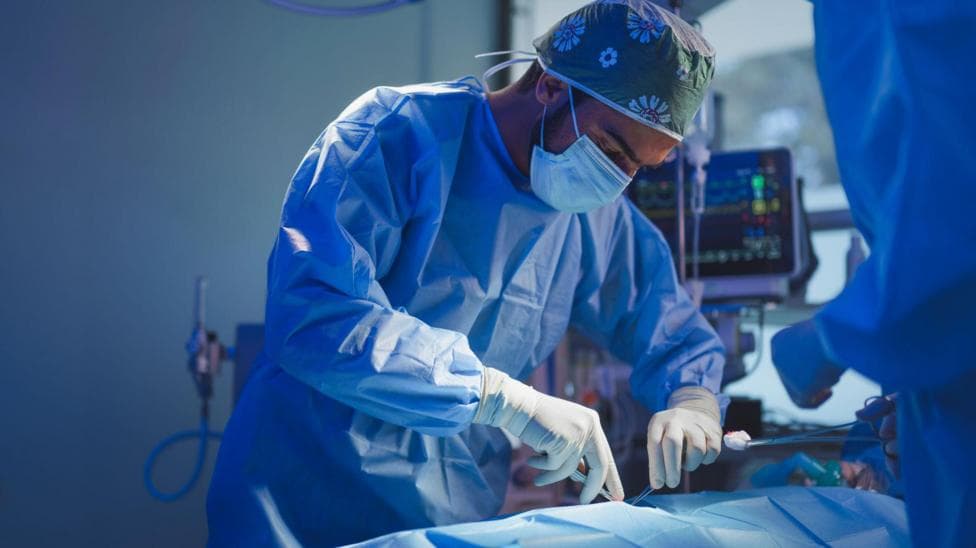
Leading surgeons across the UK and Ireland have issued a joint statement warning that failure to modernise surgical services in Northern Ireland could intensify existing workforce pressures, restrict patient access to care and deepen regional health inequalities.
The intervention follows the resignation of health minister Mike Nesbitt after a public disagreement with UUP leader Jon Burrows over plans to consolidate emergency general surgery (EGS) services. Burrows declared at a town hall meeting that he would not support removing EGS from Causeway Hospital—a position Nesbitt said he only learned about through media monitoring.
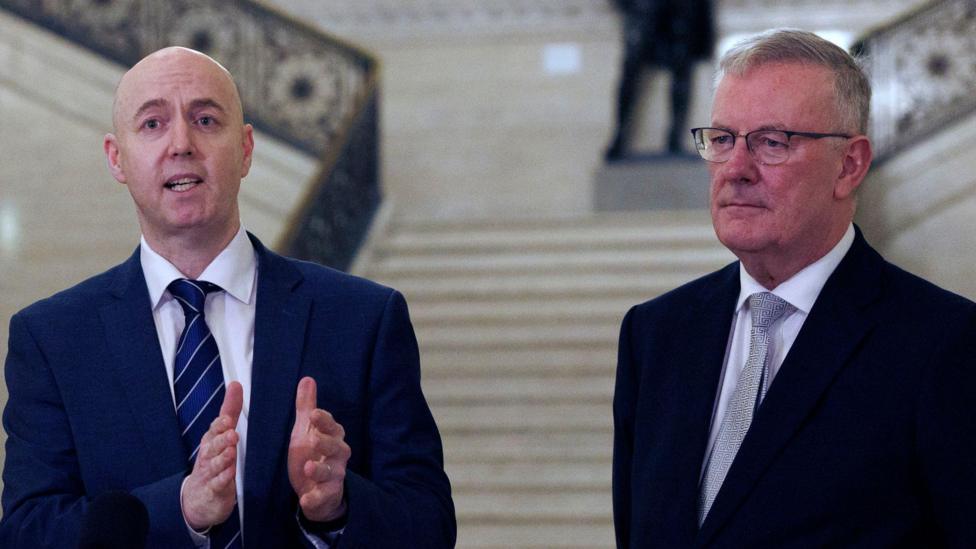
Damian McKay, a general and colorectal surgeon at the Ulster Hospital speaking on behalf of three surgical associations, told journalists that the recent political developments risked further delaying implementation of a 2022 review recommending that EGS be provided at fewer sites across Northern Ireland.
"The key message should always be patient safety first and political votes second,"McKay said.
The letter, signed by surgeons from the Association of Coloproctology of Great Britain and Ireland, the Association of Upper Gastrointestinal Surgeons and the Association of Surgeons of Great Britain and Ireland, expressed concern that political considerations rather than clinical evidence were shaping the debate. The signatories described themselves as
"concerned, disappointed and frustrated"by recent developments.
Why are surgeons calling for change?
Northern Ireland has faced severe recruitment and retention challenges for specialist surgical staff over nearly two decades. Multiple independent reports have concluded that the region operates too many hospital sites relative to its available specialist workforce, creating unsustainable pressure on existing staff.
McKay explained that prolonged delay in making decisions about service transformation leaves vacuums in areas where the public feels ignored and threatened.
"If you know that service reform can lead to a more stable, safer service, then we need to collectively work towards that to ensure patients get safe care,"he said on Good Morning Ulster.
The surgeons noted that the same clinical teams currently manage both emergency general surgery and cancer operations. This dual responsibility creates inefficiency and contributes to Northern Ireland having among the worst cancer waiting times in the UK.
"When we attend UK council meetings, surgeons from Northern Ireland are disappointed, even shocked, at just how behind Northern Ireland is compared to the rest of the UK when it comes to how we deliver care – our waiting times especially around cancer are among the worst,"McKay said.
What is the Northern Trust's proposal?
In 2025, the Northern Health Trust recommended consolidating emergency general surgery at a single site, with Antrim Area Hospital identified as the proposed location. However, according to officials briefing MLAs on 21 August 2026, no final decision has yet been made and the assessment process remains incomplete.
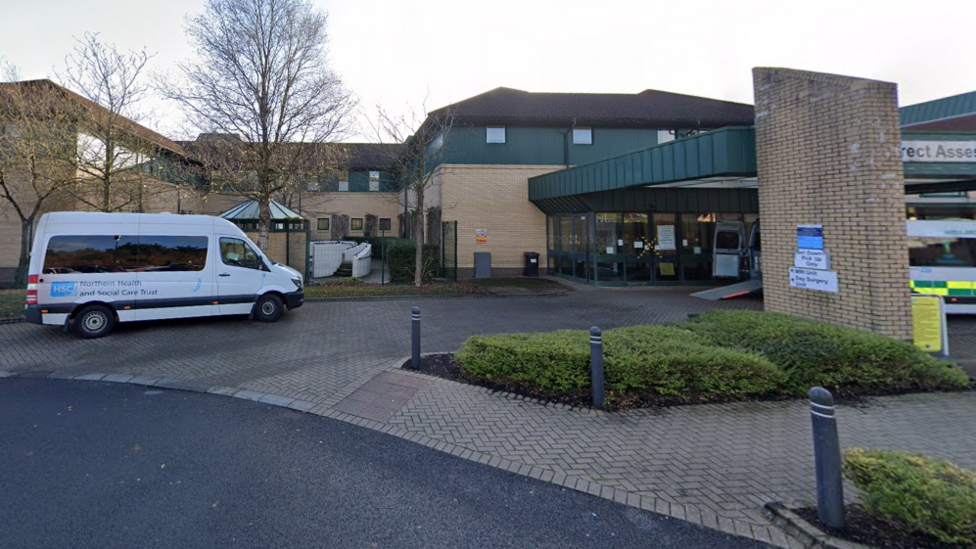
The Trust's position emphasises that Causeway Hospital would retain its 24-hour Emergency Department and acute inpatient services, with only patients requiring emergency surgery admission being transferred to Antrim. A public consultation on the transformation ran for 14 weeks from 23 August 2024 to 29 November 2024.
The proposal forms part of a broader service-reform agenda. A Department of Health review published in May 2024 concluded that the current configuration of general surgery services required fundamental change.

What happened to the previous health minister?
Nesbitt's resignation came after Burrows made his opposition to the Causeway changes public at a town hall meeting in Coleraine, where more than 200 people gathered to oppose the proposed move. Campaigners warned that removing EGS from Causeway would trigger a domino effect leading to withdrawal of other services from the hospital.
Speaking after Nesbitt's resignation, Burrows acknowledged the need for reform but emphasised that
"how we deliver reform is every bit as important as what we ultimately decide."He stated that
"safe, sustainable services"must be the priority and that reform must address health inequalities and regional imbalance, recognising that people across Northern Ireland do not currently enjoy equal access to timely healthcare.
What is the new health minister's position?
Robbie Butler was appointed as the new health minister on Thursday. Speaking to journalists on Friday, Butler said he would work to convince people that any changes were made in their best interests, but emphasised that affected communities must be central to decision-making.
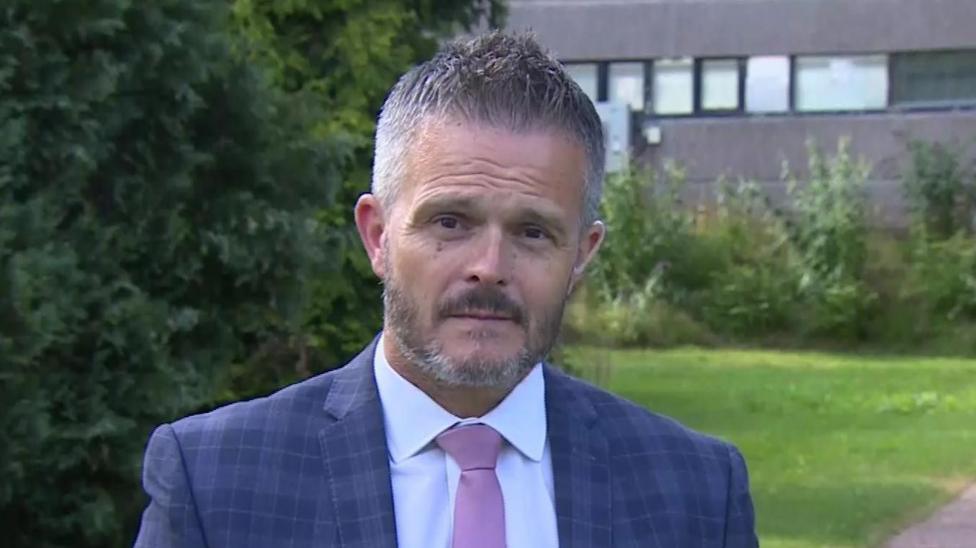
Butler acknowledged a
"disconnect"between medical officials and people affected by proposed changes to Causeway Hospital.
"What my job is at the moment is to try and repair that disconnect and then take my time not to make a hasty decision but to make the right decision, and that's my promise to the people of Causeway."He stressed that any changes must be sustainable and deliverable.
How does this compare to other health trusts?
The Belfast and South Eastern health trusts have each successfully consolidated EGS onto a single site and completed this phase of transformation. However, the issue remains unresolved and contentious in the Western, Southern and Northern health trusts.
McKay noted that for a population of 1.9 million, three centres performing emergency general surgery would be standard practice elsewhere in the UK and internationally. He suggested that if Northern Ireland were designing its hospital network from scratch, the three optimal sites would be Altnagelvin, Craigavon and Belfast.
What are surgeons asking of politicians?
The surgical associations are urging MLAs to consider the health needs of Northern Ireland's entire population rather than focusing solely on their own constituencies, particularly in the run-up to next year's local election.
McKay stressed that teams currently providing emergency general surgery are
"under significant strain and significant pressure and that would only worsen I believe with prolonged delay in terms of decision making."He called for the executive to take collaborative ownership of health reform.
Danny Donnelly, deputy chair of Stormont's health committee and Alliance MLA, described the surgical associations' letter as
"a highly significant intervention from those surgical associations, who are very clear on the risks involved and the risks involved in not making these decisions."
What happens next?
The Department of Health and Northern Trust officials are expected to continue developing the business case and assessment process before any ministerial decision is taken. No decision date has been specified. The proposed service changes will require ministerial approval following consultation, but the timeline for this approval remains unclear.
Key Facts
- Three surgical associations have jointly warned that delaying service reform risks worsening staff pressures and patient outcomes in Northern Ireland
- The Northern Trust has proposed consolidating emergency general surgery at Antrim Area Hospital while maintaining Causeway Hospital's 24-hour Emergency Department
- Northern Ireland has faced severe recruitment and retention challenges for specialist surgical staff for nearly two decades
- The Belfast and South Eastern health trusts have already successfully consolidated emergency general surgery onto single sites
- No final decision has been made on the future of emergency surgery at Causeway Hospital, with officials stating the assessment process remains incomplete