Calls to Ban Smacking in England and Northern Ireland
Campaigners have urged England and Northern Ireland to prohibit smacking children, aligning their laws with Scotland and Wales.
Study Finds Negative Impact of Physical Punishment on Children
Research from University College London (UCL) indicates that smacking children as a disciplinary method may lead to poorer academic performance and increased risky behavior during adolescence.
The study examined 19,000 UK-born children from 2000 to 2002, assessing them at ages three, five, and seven to evaluate the effects of physical punishment.
Researchers concluded that smacking "does no good whatsoever" and advocated for England and Northern Ireland to ban the practice, following the example set by Scotland and Wales.
The Department for Education in England stated that the government currently has no plans to amend the law on smacking but emphasized that child safety and wellbeing remain priorities.
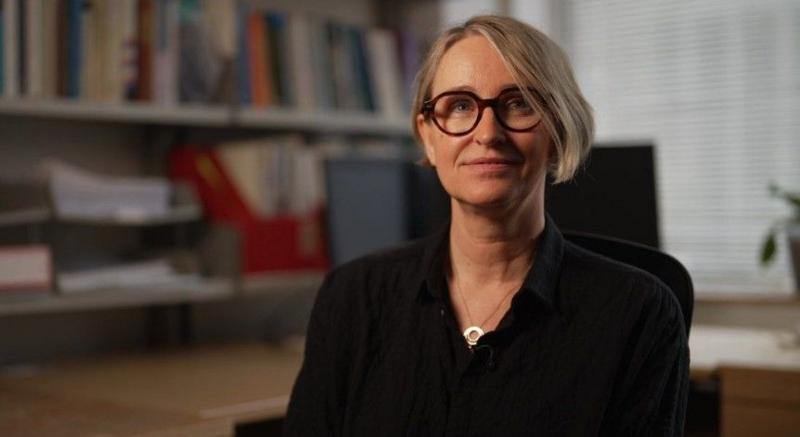
Lead researcher, associate Prof Anja Heilmann, said the research found smacking "does not help children and all the effects that we did find were in the direction of a harmful outcome".
As part of the study, the team analyzed data from 7,559 GCSE students in England by cross-referencing with the National Pupil Database to assess exam results.
They found that children who had been smacked were 5.7 percentage points more likely to fail to achieve five GCSE passes at grades A*-C, including English and Maths.
The study also revealed that 14-year-olds who experienced physical punishment in early childhood were 33% more likely to engage in risky behaviors such as bullying.
Heilmann stated: "My hope is that smacking stops in the UK so children have the same protection from physical assault that adults have."
Diverse Perspectives on Smacking and Child Development
The study was observational, relying on questionnaires completed by families reporting physical punishment. Researchers noted that while associations were observed, causation could not be definitively established due to potential confounding factors over the study period.
Prof Ellie Lee, a family and parenting researcher at the University of Kent, commented that while the UCL study's findings appeared "plausible," there is often a tendency to seek single causes for complex child development issues.

Lee, who is involved with the Be Reasonable England campaign supporting smacking, said:
"It would be great if we could just be nice to children and think they would just be nice back. But the reality of it is, is that in order for children to understand the rules of society, and to learn how to behave in a way that is moral, and that is good, we have to have boundaries, and boundaries have to be backed up."
Legal Status of Smacking Across the UK
Scotland became the first UK nation to ban physical punishment of children under 16 in 2020, with Wales following in 2022. However, smacking remains legal in Northern Ireland and England.
Proponents of a ban argue it would provide children with legal protection against assault, while opponents express concerns about criminalizing parents.
Public Opinions on Smacking
Amy Woods, owner of Baby College in Salford, expressed support for a ban in England, stating she was surprised one was not already in place.
"Children need warmth, they need responsive relationships and they need play to thrive, definitely not violence at a young age," she said.
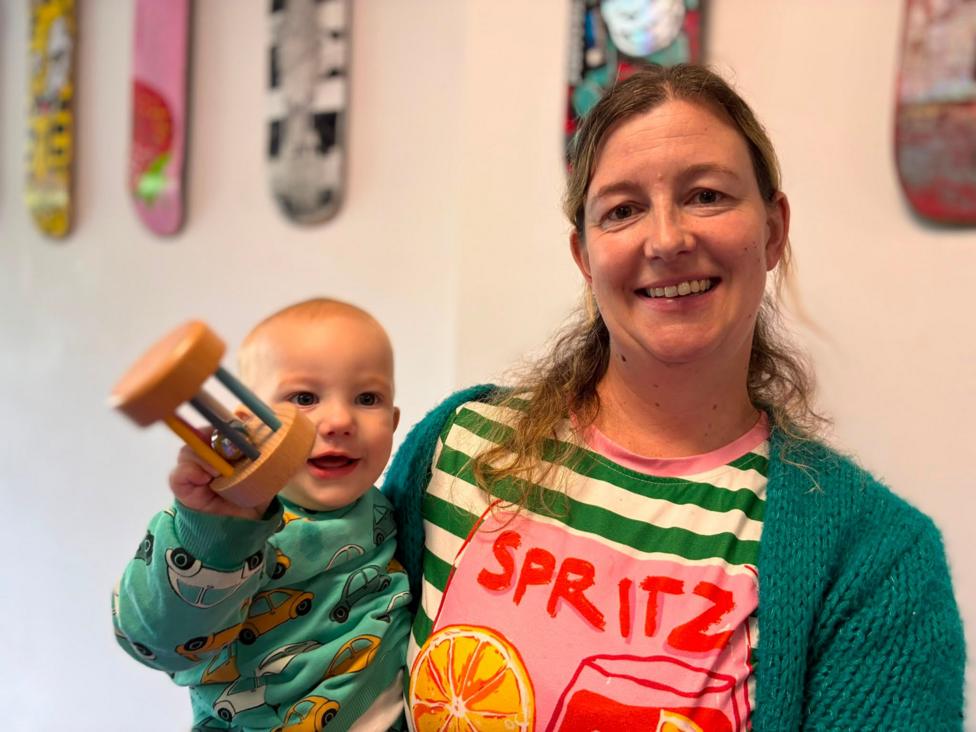
Sarah, a playgroup attendee with her 10-month-old son Joshua, also voiced surprise that smacking remains legal.
"I don't think it's a very good example to be setting to kids," she said. "If they do something wrong, like hit someone, and you smack them back it doesn't really reinforce the message of 'this isn't ok'."
Additional Findings and Political Developments
The UCL study additionally found that one in five 10-year-olds had experienced some form of physical punishment as of 2021, and that mothers with higher education levels were less likely to use physical punishment.
Naomi Long, Minister of Justice in the Northern Ireland Executive, expressed full support for removing the defence of reasonable punishment, which would effectively ban smacking in Northern Ireland.
However, proposals to remove this defence were recently dropped from a Bill progressing through the Northern Ireland Assembly.
Long said, "Removing the defence is not about criminalising parents; it is about protecting children from physical abuse and supporting parents with positive ways of dealing with behaviour." She added that she would continue campaigning for legal change.

Get in Touch
Have you been affected by the issues discussed in this story?